work
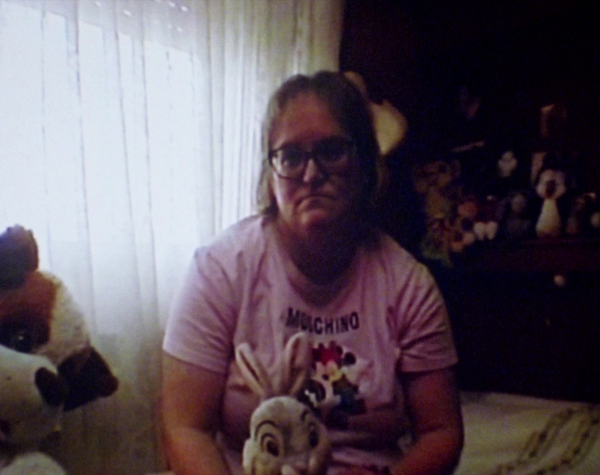
Calandra
Nieves wants nothing more than to have a rabbit. But it wasn’t always like that. After having her fallopian tubes tied, she woke up longing for a long-eared friend. Nieves is, in fact, mentally disabled. Since her mother’s death, she has been living with her sister in a workers’ cottage on the outskirts of Madrid, working at a laundry mangle (calandra), where rabbits scamper past her windows. calandra (Spanish) – an industrial ironing machine used in professional laundries (hotels, hospitals, laundry facilities) for ironing and drying flat linen. Source of the quote.
director: Chloe Cazorla, Jaime Aurata, Laura Raniela, Lucas Lagrange
original title: Calandra
country: Spain
year: 2026
running time: 23 min.
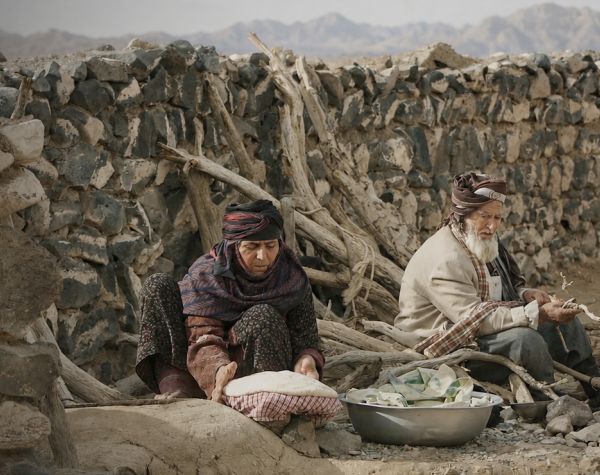
Dotuk
This apocalyptic cinéma vérité depicts the socio-economic situation in a remote Iranian village, which is lashed by violent sandstorms for 120 days a year. This is not a scene from the apocalypse, but the harsh reality for the inhabitants of Taj Mir in South Khorasan Province. Their sole source of income is hand-sewn “dotuk” dolls, a traditional ritual object that has become a commodity. “Villagers revive ancestral dolls as a means of survival, confronting the fragile line between cultural heritage and harsh contemporary realities.”
director: Hadi Sabet
original title: Dotuk
country: Iran
year: 2026
running time: 28 min.
Landmarks
The brothers Raul, Raimundo and Juldemar Batista de Souza recall human trafficking, violence and killings reminiscent of slavery in the American South. However, their employer was the German car manufacturer Volkswagen, which bought part of the rainforests in Brazil and, between 1973 and 1987, hired labourers for logging and cattle farming. “My films blur the boundaries of non-fiction and explore bodies, landscapes and orality as archives where past and present fold into each other.” — Benjamin Hindrichs Source: Benjamin Hindrichs's website.
director: Benjamin Hindrichs
original title: Landmarks
country: Germany, Spain
year: 2026
running time: 13 min.
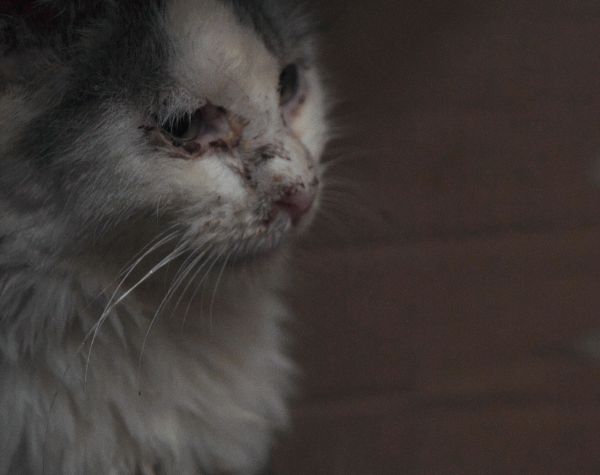
living
A short documentary set in a chicken slaughterhouse, where, amidst the filth, stench, decaying remains of animal carcasses and swarms of insects, a cat and her kittens manage to survive. In a place so deeply marked by human indifference to the death of other creatures, they paradoxically provide at least a hint of the unyielding desire to play, explore, or simply to live. “I strive for a naturalistic style in which viewers become immediate, situational observers.” — Eric M. WeglehnerSource: The Gap
director: Eric M. Weglehner
original title: vivre
country: Austria, Germany, Morocco
year: 2026
running time: 13 min.
never been there, never.
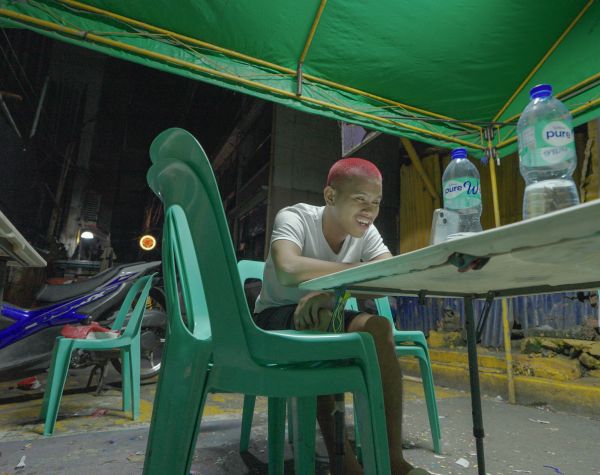
Edison is a sorbet-selling street vendor who has to sell out his entire stock in order to celebrate Christmas – an occasion the whole of Manila lives for – otherwise he won’t get time off. But customers aren’t exactly queuing up. This observational portrait offers an intimate glimpse into the reality faced not only by Filipino workers in retail and the service sector, but also raises the issue of working conditions and the right to rest. “Vitali uses cinema as a space for reflection and confrontation, bridging personal experiences with the broader systemic realities of Filipino society.”
director: Joseph Vitali
original title: kung paano kakalas.
country: Philippines
year: 2026
running time: 19 min.
Robota Sweden
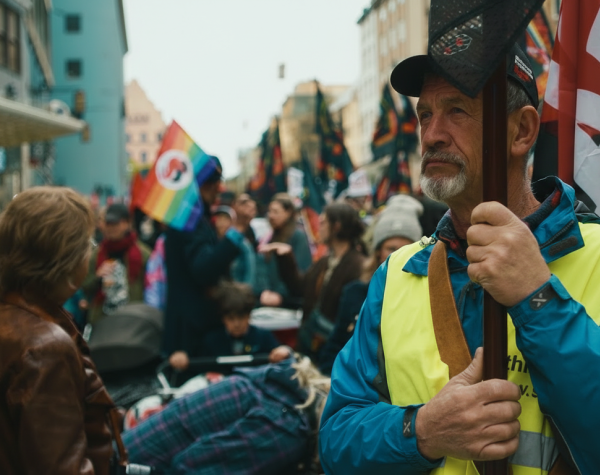
Serhiy, an elderly Ukrainian man, has not been paid by his employer. He has no contract. And, unlike the local people, he appears to have no one to stand up for him. This documentary-style film follows a group of foreigners seeking nothing more than fair treatment in a country that has long prided itself on being a democratic and open society.“The point was to shed light on the parallel reality that has emerged in Sweden — one of unpaid wages, exploitation and fraudulent companies.” — Arberaten
director: Kristoffer Kronander, Patrik Öberg
original title: Robota Sweden
country: Sweden
year: 2026
running time: 15 min.
Small Talk
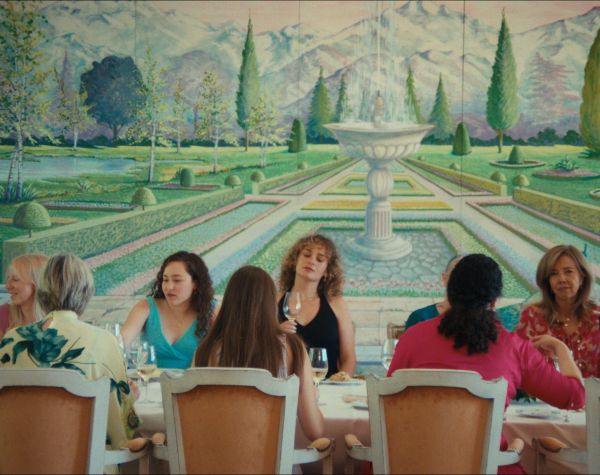
How does one behave properly in society, carry oneself with elegance and conduct a polite conversation? Charlie, a 35-year-old Frenchwoman, decides to change her career and sets off on a summer course at the last remaining school of etiquette. Surrounded by the Swiss countryside, she joins women from all corners of the world to learn the rules of dining, the art of hospitality and social etiquette. Through lessons and seemingly casual conversations, the students gradually grow closer, sharing their life stories and forming deep friendships. This sensitive and at times humorous film follows its likeable protagonist in an environment where an emphasis on elegance, discipline and good manners intertwines with conservative notions of the female role. Are the women here learning to conduct themselves confidently in society, or are they still expected, above all, to be perfect wives? With gentle irony, the film explores gender stereotypes and the tensions between tradition and modernity, asking what women’s emancipation actually means and to what extent women themselves can determine its form.“You feel free to do what you want because you’re successful.”
director: Mateo Ybarra
original title: Small Talk
country: Switzerland
year: 2026
running time: 95 min.

The Case Against Space
NASA’s first space station was called Skylab, and three crews took turns aboard it over a total of 24 weeks in 1973 and 1974. The final crew made history, among other things, as the first astronauts ever to go on strike. Given the sensitive nature of the source material, the film takes the form of a documentary reconstruction, with actors performing on makeshift sets and a narrative structured by staged recreations of communications between Skylab and mission control. This only heightens the oppressive atmosphere of a workplace where people in a demanding profession are deliberately pushed beyond their limits.“For me, living is not just surviving. Living is having a life.” — Graeme ArnfieldSource: Business Doc Europe
director: Graeme Arnfield
original title: The Case Against Space
country: United Kingdom, France
year: 2026
running time: 73 min.
Thousands of Meters, Hundreds of Hours
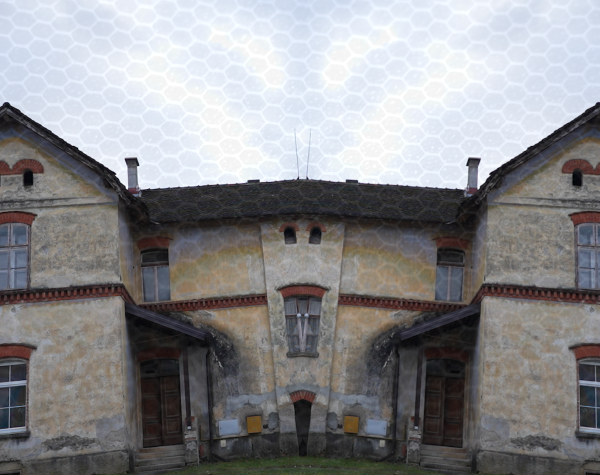
The lace made by women in Lepoglava, Croatia, is some of the most beautiful in the world and regarded as a piece of cultural heritage in its own right. Yet it carries an even greater significance. In this small village, the lace weaves together – both figuratively and literally – thousands of metres of thread, binding together generations, families and a community of women devoted to quiet, meticulous work. “Driven by a desire to explore real stories and authentic experiences, she seeks through this film to connect the personal with the universal, creating space for narratives that emerge from everyday life.”
director: Iva Kunac
original title: Tisuće metara, stotine sati
country: Croatia
year: 2026
running time: 15 min.