activism
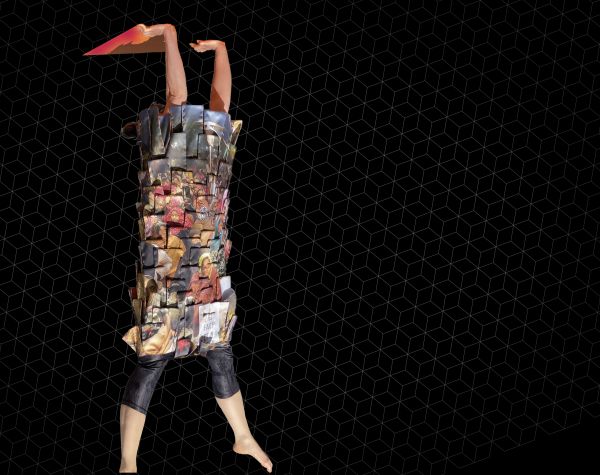
Fashion of Resistance - Shaheen Bagh
The dress is adorned with the imprints of protest: the performer’s movements alternately conceal and reveal the faces of Muslim women who occupied the streets of Delhi’s Shaheen Bagh neighbourhood in opposition to the amendment to the Citizenship Act. A single body thus bears a collective defiance. As geographer Srilata Sircar’s voice dissects government accounts of the events, the garment restores the weight of bodily presence to the disparaged gathering of women. “How can protestors balance their need for visibility and anonymity?” — Manu Luksch Source: Manu Luksch.
director: Manu Luksch
original title: Fashion of Resistance - Shaheen Bagh
country: United Kingdom
year: 2026
running time: 13 min.
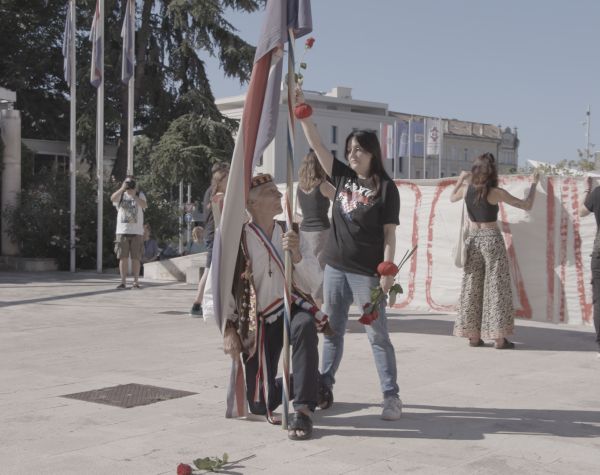
Holy Defiance
Every first Saturday of the month, members of the ultra-conservative religious movement, the Knights of the Immaculate Heart of the Virgin Mary, gather in Croatian town squares. The artist and activist Arijana Lekić-Fridrih is always there, too, until the police remove her, as women are barred from entering. This fascinating observation captures the clash of opposing forces in public space, as well as the coexistence of two female archetypes – the holy mother, who smiles quietly from a sacred image, and a goddess in a red dress, who uses her performance to fight against patriarchal violence against women. “All art is a political statement.” — Arijana Lekić-Fridrih Source
director: Karla Jelić
original title: Tiha misa
country: Croatia
year: 2026
running time: 15 min.

Meeting Götz
Götz Kubitschek is a German journalist, activist and representative of the far-right Neue Rechte movement. He is also a former schoolmate of director Gregor Centner, who describes himself as a liberal leftist. At the outset of this personal documentary, Centner contacted Kubitschek with a proposal to make a film about him. Over the next six years, they met to share memories of their childhood and school days, but above all to discuss Kubitschek’s ideological turn towards the extreme right. The resulting film draws its power from candid recordings of their conversations and the recordings the two men exchanged.“I don’t know if you are aware what it means to make a film about me. This means about us and about the movement I represent. Especially with public funding. Even talking to us, to me, is the crossing of a line.”
director: Birgit Bergmann, Gregor Centner
original title: Meeting Götz
country: Austria
year: 2026
running time: 77 min.
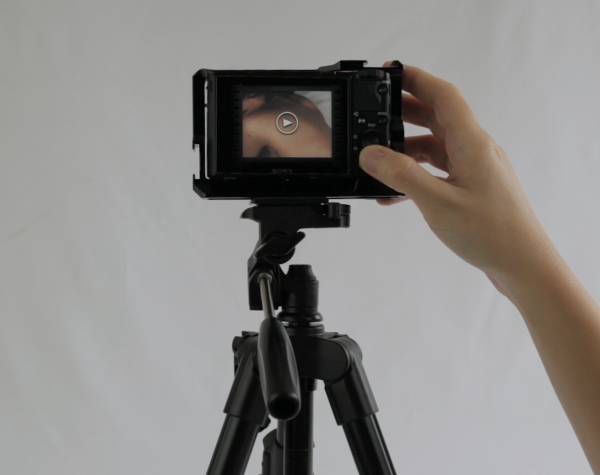
Murmurs in the Distance
Murmurs in the Distance begins with an encounter with a gap: the absence of a substantial historical and visual record of the women’s protests of March 8, 1979 in Iran. Through photographs, recordings, testimonies, and archival fragments, three artists from another generation, living in different countries, search for what has been preserved, what has disappeared, and find their own reflections along the journey. The archive becomes both a source and a place for questioning. The short documentary Iranian Women’s Liberation Movement: Year Zero (1979) offers one of the few surviving visual traces of the protests, while testimonies bring other forms of memory into the present. Rather than reconstructing a complete history, the film stays with these fragments and silences, asking how an archive shapes what can be remembered, seen, and understood as history.
“Murmurs in the Distance is not only an act of preservation but also an invitation to reimagine futures shaped by collective courage.”Source
director: Behshad Tajammol, Katayoon Barzegar, Pegah Pasalar
original title: Murmurs in the Distance
country: Germany, France, United States, Netherlands, Iran
year: 2026
running time: 24 min.
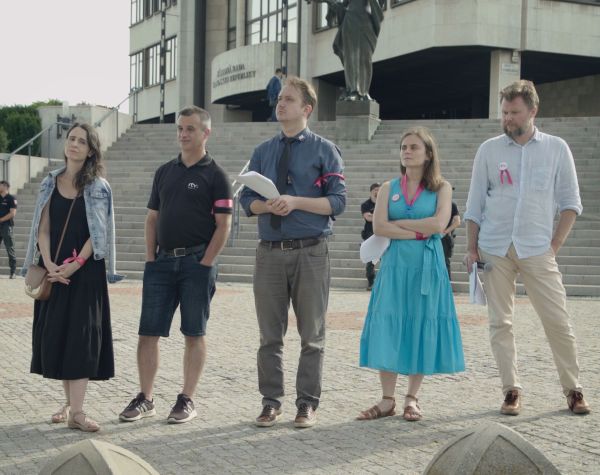
Retuning
Directly from within the newsrooms, director Sára Prokopová observes the attempt – one that begins absurdly but becomes increasingly tragic – to gain political control over Slovakia’s public service television and radio. While heated debates about a strike are taking place behind the scenes, the gradual curtailment of independent journalism and the silencing of opposition voices unfolds on screens. Cultural policy – and the institution itself – are beginning to be run by people lacking the necessary expertise; by those who seriously speculate as to whether the Earth is flat or not. The journalists’ initial enthusiasm is giving way to a sense of powerlessness and frustration at developments that bear a number of cautionary parallels with situations in other Central European countries. “I wanted to highlight the importance of the actions of the individuals who decided to stand up to the establishment, at the risk of either losing their jobs or having their work interfered with.” — Sára Prokopová, SME
director: Sára Prokopová
original title: Preladenie
country: Slovakia
year: 2026
running time: 60 min.
Sensitive Topic
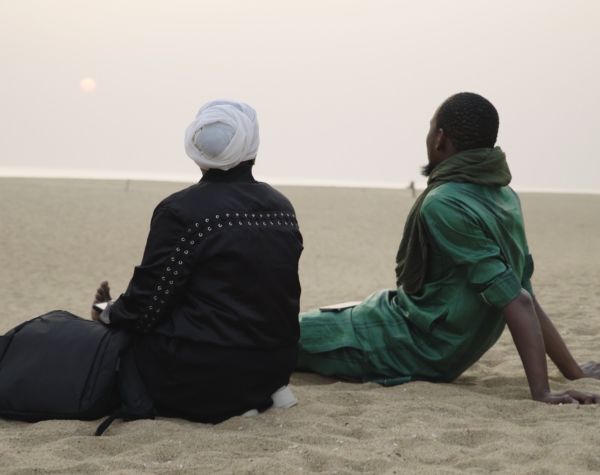
A group of African film students decide to make a film about sexual harassment in the workplace. They want it to be a comedy, as they believe humour is a more effective way of getting a serious message across. They discuss their plans with the sister of one of the crew members, and this young feminist starts to help them create a completely different story…“The Cinergie editors who gathered to select their prize among the Young Belgian Talents highlighted the originality of the subject, its relevance in a world where women still have to fight for respect, and the inventiveness of its treatment, awarding the prize to Sensitive Topic by Nina Hamzeh & Mathis Albet.” — The Millenium Festival
director: Mathis Albet, Nina Hamzeh
original title: Sujet Sensible
country: Belgium, Benin
year: 2025
running time: 23 min.
The Second Skin
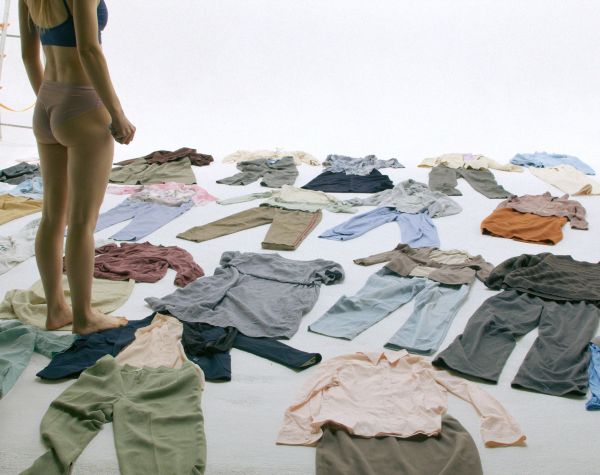
Violence against women is a sensitive subject in itself, particularly in view of the psychological trauma suffered by the victims of these horrific acts. Nevertheless, three female filmmakers decide to make a radical artistic and civic gesture. Recordings of anonymous testimonies by rape survivors serve as the scripts for scenes in which the filmmakers reenact the assaults from the victims’ perspectives. With the perpetrators absent and the immersion growing increasingly intense, the staged experiences begin to bear a terrifying resemblance to the real ones. An experience that can neither be fully understood nor simulated speaks to us through the film’s participants in the language of visceral bodily reactions and genuine human emotions. “It was always with me. The desire to break the silence.” — Mariia Lapidus, Rephrase Mag Source
director: Mariia Lapidus
original title: The Second Skin
country: United States, Mexico
year: 2026
running time: 63 min.