synopsis
During her second year of studies, alongside
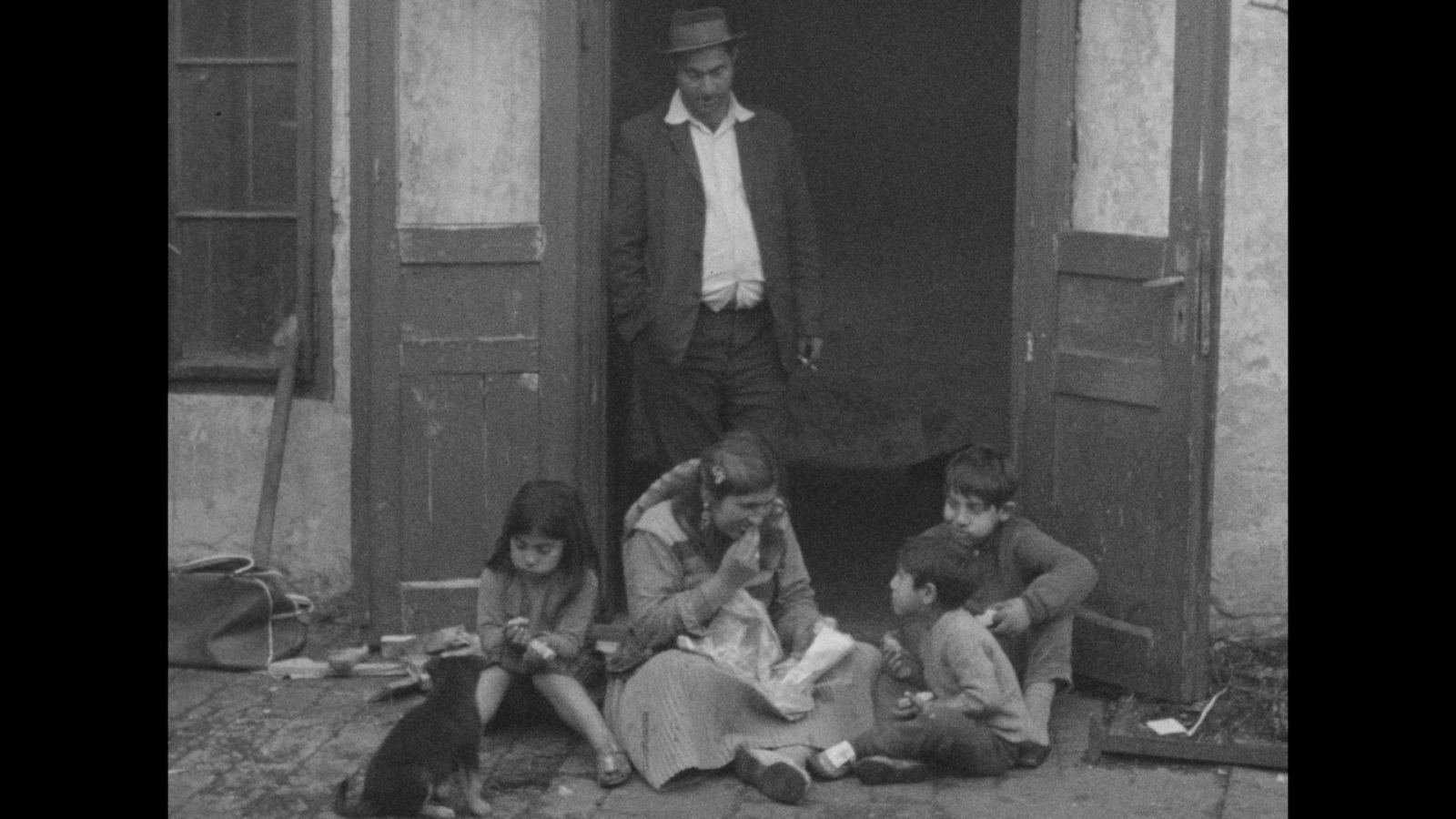
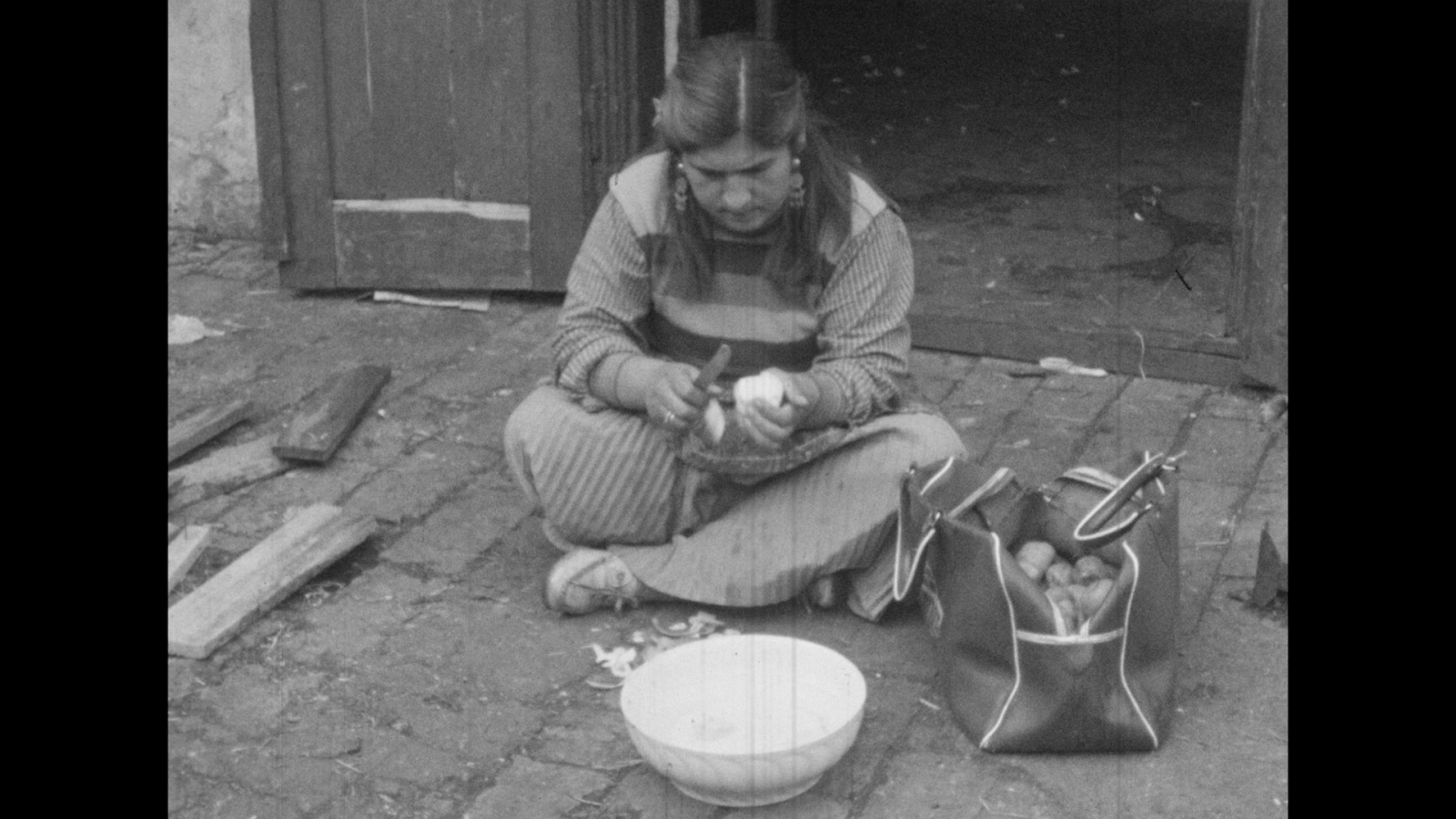
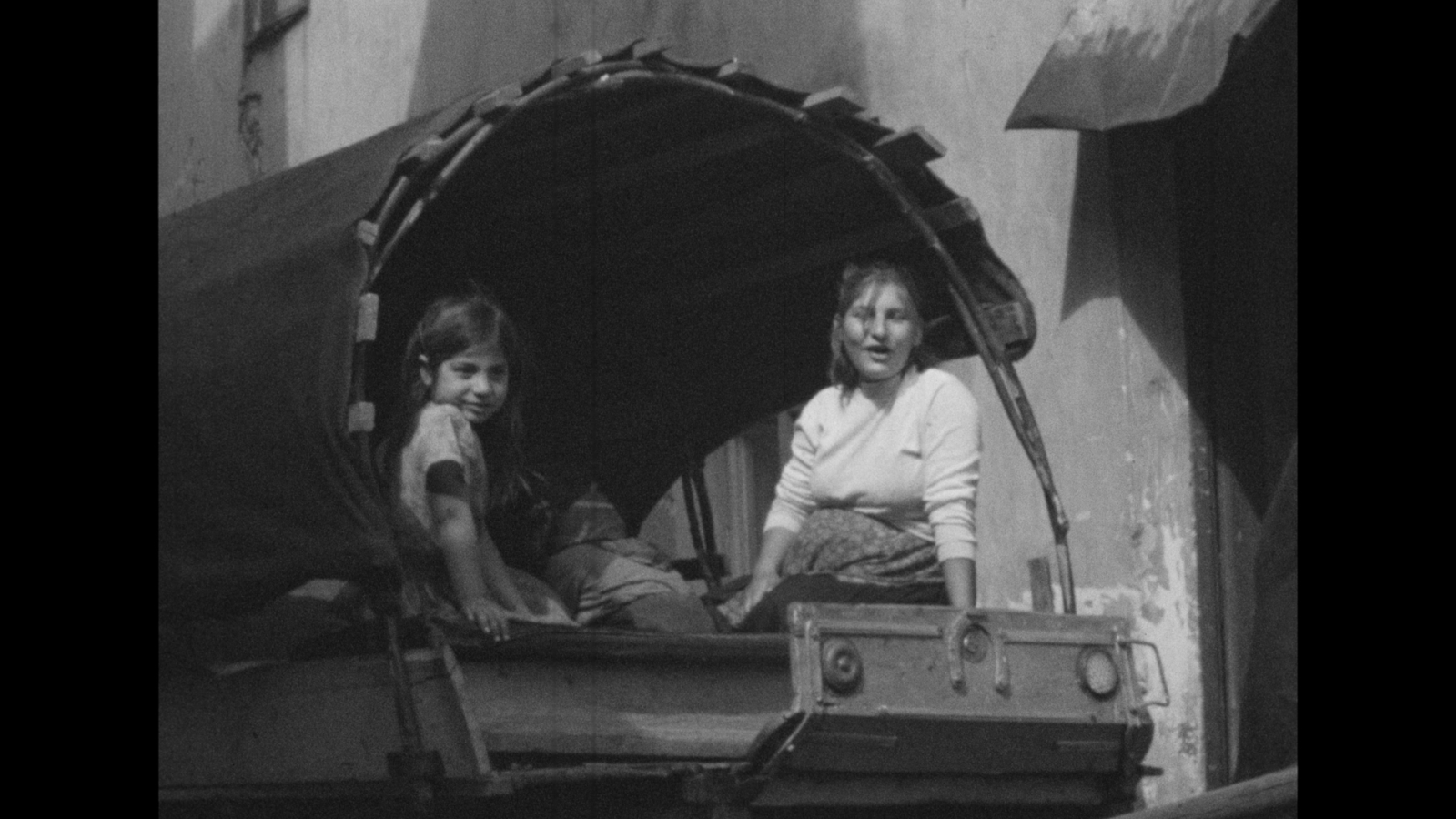
Living Water (Živá voda, 1972), Helena Böhmová also made a shorter, ethnographically oriented documentary report on the lives of Vlax Roma in Sadská. Families dance in courtyards while the men prepare their horses. The wagons, which can no longer legally be used for a nomadic way of life, are taken out into the town’s streets for at least a short ride. The filmmaker strives for maximum authenticity – silent, unembellished footage that also depicts the poverty and squalor of Roma life is accompanied by authentic recordings of women singing traditional Roma songs.
biography
Helena Třeštíková (1949, née Böhmová) is one of the most successful Czech documentary filmmakers of the prominent generation that emerged in the 1970s. During her studies at FAMU, she made several notable films, the best known of which is
Living Water (Živá voda, 1972). Throughout her career, she has focused primarily, though not exclusively, on longitudinal documentary filmmaking.
film details
| director: | Helena Bőhmová |
| producer: | Lukáš Hanzal |
Film at festival
| festival edition: | 2026 |
| section: | FAMU 80 |
| language: | Romany |
| subtitles: | No Subtitles |
| colour: | Black and white |
Info
| director: | Helena Bőhmová |
| original title: | Cikánský svátek v Sadské |
| country: | Czechoslovakia |
| year: | 1972 |
| running time: | 8 min. |