30th Ji.hlava International Documentary Film Festival

23. 10.–1. 11. 2026
Log inČeštinaEnglish

FAMU 80


noimage

Geneze a jiné obrazy Bohumíra Matala

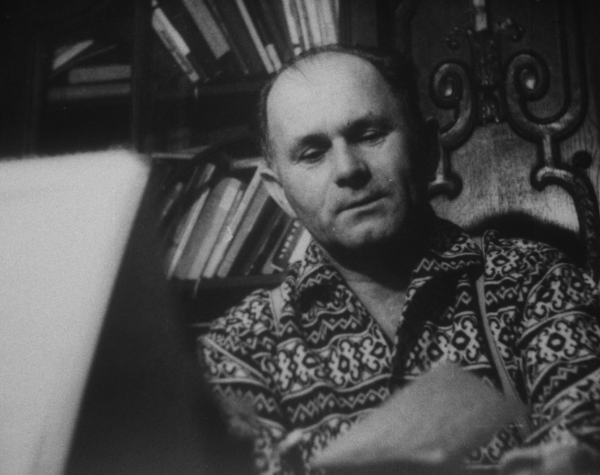
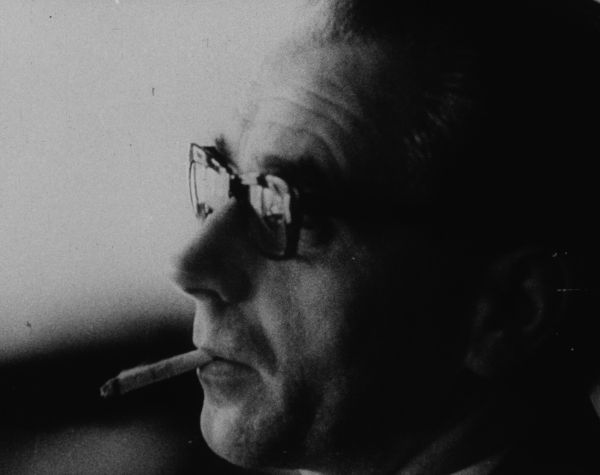
“A Poem about Brno and an Artist” is a poetic portrait of a member of Group 42, who often focused on abstract depictions of the city in his paintings from the 1960s. The camera shows him in his car, in his studio, and while painting and smoking his pipe. The film features poems by Matal’s friend Ivan Blatný and music by Jan Novák, a member of the Brno 57 group, which Matal founded. It is a graduation film.
director: Eduard Hrubeš
original title: Geneze a jiné obrazy Bohumíra Matala
country: Czechoslovakia
year: 1967
running time: 11 min.
FAMU 80The film already had its Czech Premiere
noimage

Robčerace

This artistic portrait of the sculptor Hugo Demartini draws on the aesthetics of faded commonplaceness and peripheries: it is conceived as a wordless collage of object-based and figurative motifs from the studio and the adjoining courtyard, accompanied by the rhythmic music of the period. The film opens with the motto: “I like the rusty sheet metal nailed to my neighbour’s gate, or the old clockwork mechanism I found in a rubbish tip.” The title is explained at the end: “Robčerace is a made-up word that doesn’t commit you to anything.” The film is a third-year documentary exercise.
director: Evžen Plítek
original title: Robčerace
country: Czechoslovakia
year: 1964
running time: 6 min.
FAMU 80The film already had its Czech Premiere
noimage

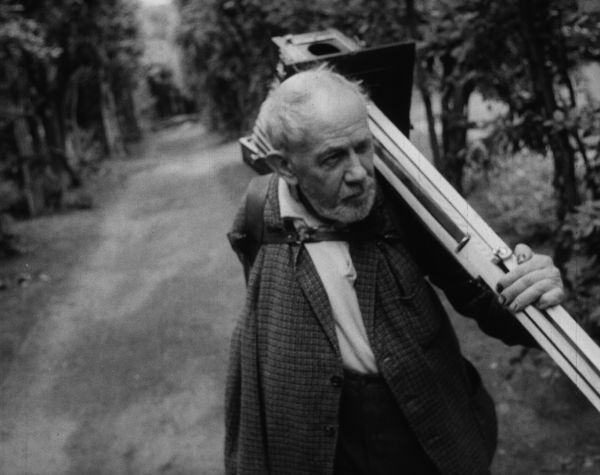
Zpověď fotografa

This portrait of photographer Josef Sudek is largely composed of his own words rather than the images themselves. He speaks of the influences on his work (Steichen, Stieglitz and others), and of the fact that a photograph must be taken properly and truly convey something: “You can photograph anything, but it must say something.” It captures his approach to photography, his camera and lenses, the developing of photographs on the stove, the clutter in his studio, the famous view of the Malá Strana garden from his window, and his favourite gramophone and records. Overall, it is an unpretentious documentary that does not seek to rival Schorm’s famous Žít svůj život (To Live One's Own Life, 1963), but rather attempts to show the subject from a different angle. The work is a third-year project from the Department of Film and Television Journalism.
director: Eva Horská
original title: Zpověď fotografa
country: Czechoslovakia
year: 1967
running time: 11 min.
FAMU 80The film already had its Czech Premiere
Cesta nad oblaky

Cesta nad oblaky

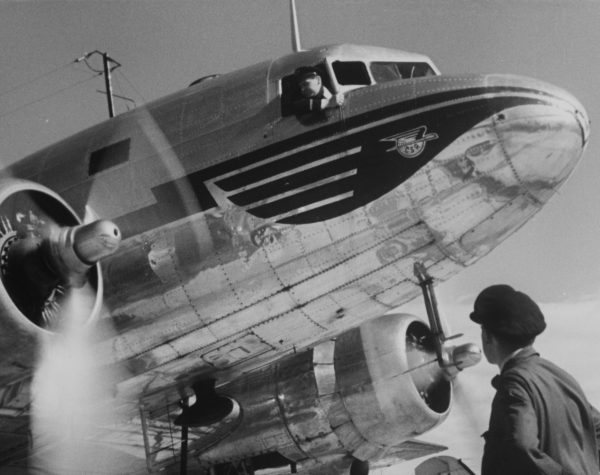
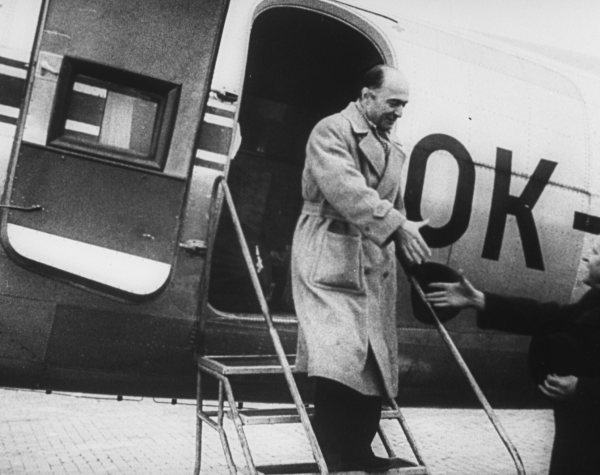
This promotional film showcases the work of Czechoslovak Airlines. Using three flights as examples, it showcases some of the professions involved – pilots, technicians, air traffic controllers, hydrometeorologists – and a selection of typical situations, including the dramatic guidance of an aircraft in poor visibility. This work by Štefan Uher, a future pioneer of the Czechoslovak New Wave, is notable among other things for its striking visual style.
director: Štefan Uher
original title: Cesta nad oblaky
country: Czechoslovakia
year: 1954
running time: 19 min.
FAMU 80The film already had its Czech Premiere
noimage

Děti lodníků

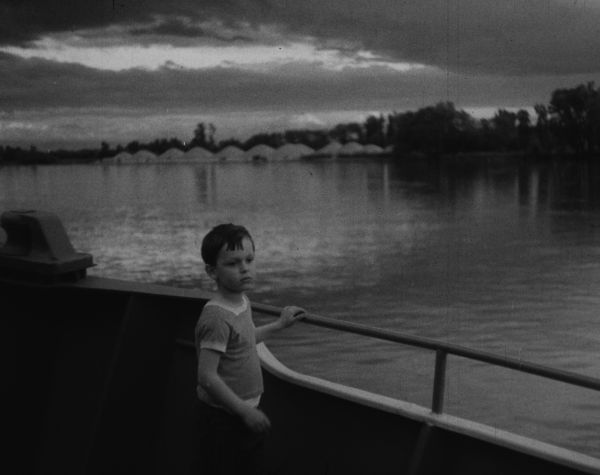
This documentary, featuring a dramatised narrative, depicts the life of a Danube boatman’s family through the eyes of a young boy who must leave the river to start school. The film explores the emotional contrast between the romance of life on the river and the boy’s first responsibility, which he manages to fulfil thanks to the care of his parents and the boatmen’s community. At the same time, it portrays the work of the boatmen and dock workers and their caring wives. The piece is shot as a silent film; the soundtrack interweaves ambient sounds (the horns of boats) with a captivating musical motif (the central melody being The Exodus Theme by Ernest Gold from Otto Preminger’s Jewish drama Exodus). The film was created as a second-year documentary exercise. In 1964, the director returned to the subject and, in a professional setting, made a widescreen remake titled Posledná plavba (The Last Voyage), which follows the ship’s journey all the way to the Black Sea. While still a student at FAMU, he had already produced a short feature film on the theme of river boatmen, Majstr alkohol (Master Alcohol, 1962).
director: Eugen Šinko
original title: Děti lodníků
country: Czechoslovakia
year: 1961
running time: 9 min.
FAMU 80The film already had its Czech Premiere
Není železo jako železo

Není železo jako železo

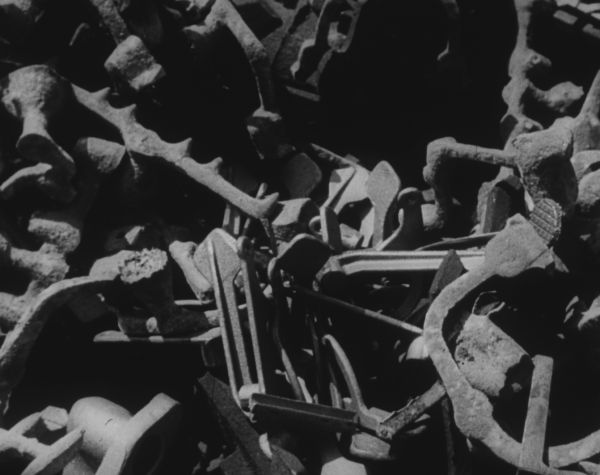
An educational exhibition document on cast iron production at the ČKD ironworks in Prague,where they were “the first – and to date the only ones in the world” to introduce a newproduction process that saves a great deal of precious raw material. The commentary includesexamples of how iron production is linked to everyday life in the form of practical objects,such as a beer bottle opener, an agricultural machine or the Petřín Lookout Tower. Thetraditional format of a period industrial film about innovation is given a unique twist by thelight-hearted commentary and elements of parodic exaggeration of “building the nation”rhetoric. This is one of FAMU’s very first films, which was shot by the director in his thirdyear as a cinematography student.
director: Pavel Šmok
original title: Není železo jako železo
country: Czechoslovakia
year: 1949
running time: 15 min.
FAMU 80The film already had its Czech Premiere
noimage

Šoféři

A documentary study of the lives of Tatra truck drivers during the construction of a dam. Through a mosaic of report-style sequences, it captures the world of hard, masculine labour combined with the dynamics of driving through dust, mud and potholes, alongside an adventurous, nomadic lifestyle and a sense of male camaraderie. The raw aesthetic draws on close-up and intimate shots from a handheld camera, making effective use of shots from the driver’s perspective, close-ups of the steering wheel, wheels, hands, faces, and racing sequences. The film was created as a second-year documentary project.
director: Karel Zámečník
original title: Šoféři
country: Czechoslovakia
year: 1964
running time: 11 min.
FAMU 80The film already had its Czech Premiere
noimage

Šťastný Josef

Portrét běžného obyvatele Hloubětína, hlídače v továrně a milovníka zahrádky Josefa Hrdiny, je založen na němých observačních záběrech jednoho dne v životě protagonisty a hravě ironickém komentáři v mezititulcích. Vše je běžné až banální a spokojené, jen místy se do Josefova světa vkrádá neklid spojený se zdevastovaným životním prostředím v okolí jeho domku – hloubětínskými továrnami, kouřícími komíny a staveništi.
director: Milan Peer
original title: Šťastný Josef
country: Czechoslovakia
year: 1970
running time: 6 min.
FAMU 80The film already had its Czech Premiere
noimage

Silná pěst

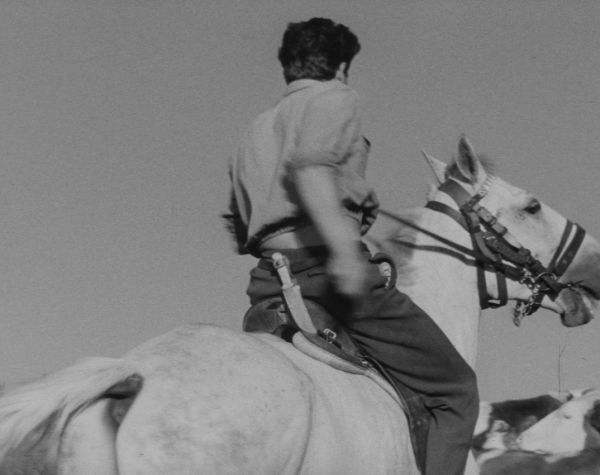
This portrayal of the lives of modern-day cowboys – labourers at pastoral cooperatives in the Šumava borderlands – emphasises their loneliness and the tedium of their monotonous, repetitive tasks in an isolated location, where the only entertainment are card games, the guitar, radio or the occasional letter delivered by border guards. The attempts to capture ambient sounds have a modern feel, though the herdsman’s narration is recorded in post-synchronisation. A formal highlight is the romanticised widescreen stylisation of the imagery (a first at FAMU) together with the melody of the song Riders in the Sky, reminiscent of American Westerns or J. Polák’s Czech film Death in the Saddle (1958). The superb work of lifelong friends – cinematographers J. Franta and I. Šlapeta – is also evident in the panoramic shots of the objects on the floor and on the walls of the barracks. The work is a documentary exercise by second-year students of the Department of Film and Television Journalism.
director: Petr Obdržálek
original title: Silná pěst
country: Czechoslovakia
year: 1965
running time: 7 min.
FAMU 80The film already had its Czech Premiere
noimage

Či to chápať vieš?

The film consists of two parts linked by the principle of contrast. The first (longer) part is a melancholically stylised musical collage based on the American folk song Where Have All the Flowers Gone, the German-language version of which – reminiscent of Marlene Dietrich’s rendition – is accompanied by static shots of a lonely girl in a bleak winter landscape and a cemetery. The second part consists of footage of the bustling street life of a modern city, filmed with a hidden camera and accompanied by lively music. The sad girl from the first part is played by Soňa Valentová, a student at the Academy of Performing Arts. This work is a fourth-year documentary exercise.
director: Emil Fornay
original title: Či to chápať vieš?
country: Czechoslovakia
year: 1965
running time: 7 min.
FAMU 80The film already had its Czech Premiere
II. občasník

II. občasník

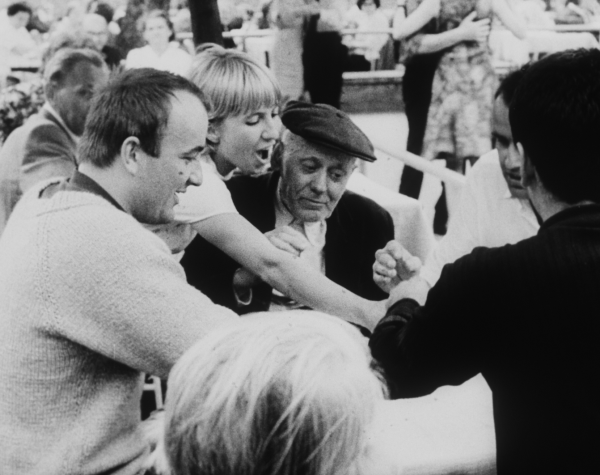
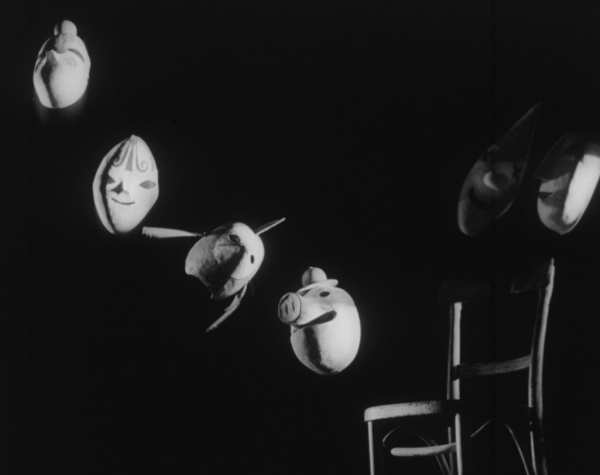
This collective project by third-year directing and cinematography students builds on the socially engaged, satirical and tongue-in-cheek concept of První občasník (The First Periodical, 1961). It comprises six commentaries on the problems of everyday life: space rockets and queues outside shops selling scarce goods, go-kart races on city streets, the uniformity of fashion tastes and gender stereotypes, memory loss, Black Theatre with nowhere to perform, the inescapable noise of civilisation, and a grotesque scuffle at FAMU, where a ruthless battle is waged for the editing suite or a camera. Ironic off-screen commentary and intertitles are used throughout; the segments conclude with the Švejk-esque refrain “That calls for calm”, while the whole is framed by the opening exclamation “That’s a nerve-wracking business” and the closing line “That calls for a solution”. The film was produced in collaboration with students from DAMU and HAMU.
director: Drahomíra Vihanová, Jaromír Borek, Juraj Jakubisko, Juraj Kerekes, Pavel Březina, Radim Cvrček
original title: II. občasník
country: Czechoslovakia
year: 1962
running time: 9 min.
FAMU 80The film already had its Czech Premiere
noimage

Horečka

In the bustling streets of Prague, people waiting in various places gradually begin to gather in groups. The number of those waiting grows, and long queues form. What are they waiting for? Jaromil Jireš’s lively four-minute film offers a witty and historically valuable commentary on the everyday life of Prague’s residents in the late 1950s. With its observational, poetic style and jazz accompaniment, the film lays the foundations for the Czechoslovak New Wave.
director: Jaromil Jireš
original title: Horečka
country: Czechoslovakia
year: 1957
running time: 4 min.
FAMU 80The film already had its Czech Premiere
Majáles 65

Majáles 65

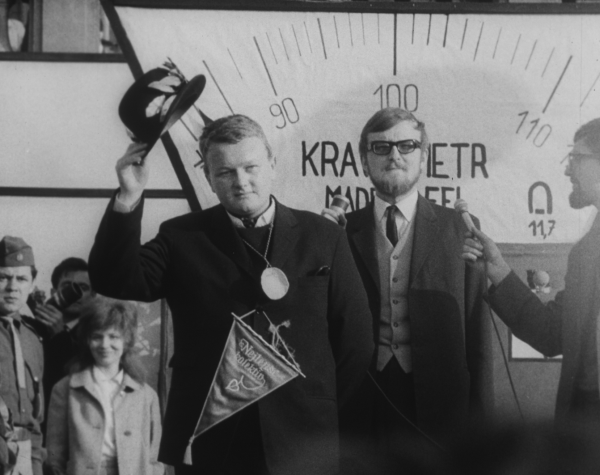
A documentary about Prague’s first state-authorised Majáles student festival since 1955, which took place under the auspices of the communist Czechoslovak Youth Union on 1 May 1965 in the Julius Fučík Park of Culture and Leisure. It captures the organisational preparations, the gathering on Wenceslas Square, the procession across the bridge and the celebrations at the Prague Exhibition Grounds. Allen Ginsberg, who was nominated King of Majáles, describes it as a festival of resurrection and joy and presents a bouquet to Miss Majáles. The film uses stop-motion shots to capture the slogans of the various universities, the speeches made by the candidates for King, the concerts, the fireworks, the bonfires and the entertainment provided by the various groups. It concludes with the organising committee’s evaluation of the event. It makes use of rapid pans, flash montages and tilted camera angles. The opening credits, which are painted on a wall and on the street paving, are also original. The cinematographer Eduard Hrubeš was also a student at the Department of Film and Television Journalism; the film was produced by the student group Stativ (Tripod) and utilises footage from the cinematographers of Zpravodajský film. The work is a third-year practical assignment from the Department of Film and Television Journalism.
director: Jiří Danda
original title: Majáles 65
country: Czechoslovakia
year: 1966
running time: 16 min.
FAMU 80The film already had its Czech Premiere
noimage

…máte různý věci takový

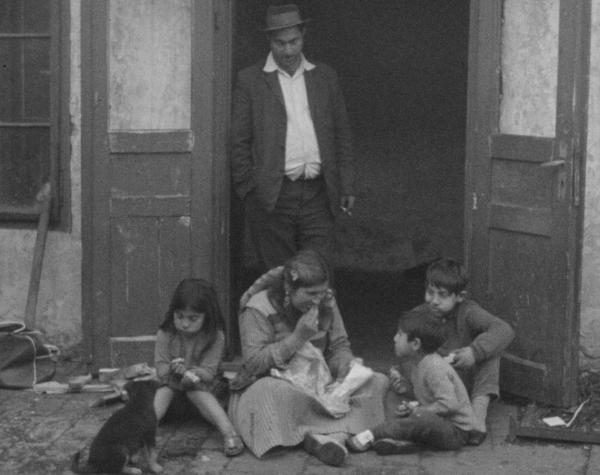
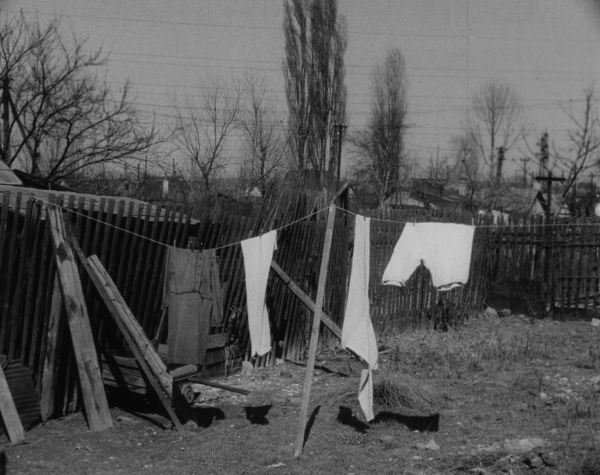
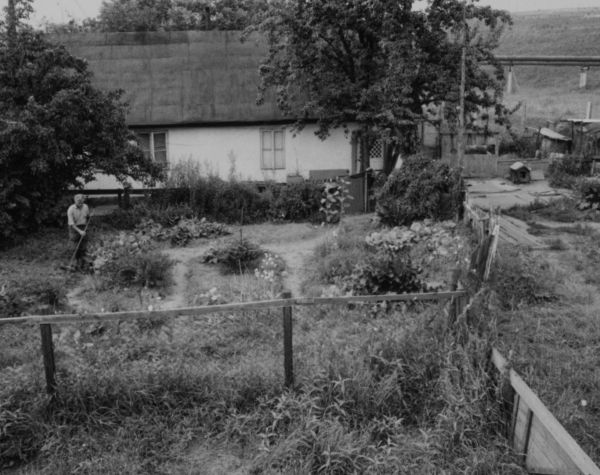
A sociologically focused documentary about life in the Na slatinách shantytown in Prague’s Ďáblice district, built during the First Republic on meadows and marshes, which still exists today without running water or sewerage and is largely ignored by the authorities. The narrative is based on the testimonies of long-time residents, some of whom would prefer to move to more civilised surroundings, while others are content with the rural character of this remote location. The film is a second-year documentary project.
director: Jiří Danda, Ladislav Chocholoušek
original title: …máte různý věci takový
country: Czechoslovakia
year: 1963
running time: 9 min.
FAMU 80The film already had its Czech Premiere
noimage

Můj strýc Panťa

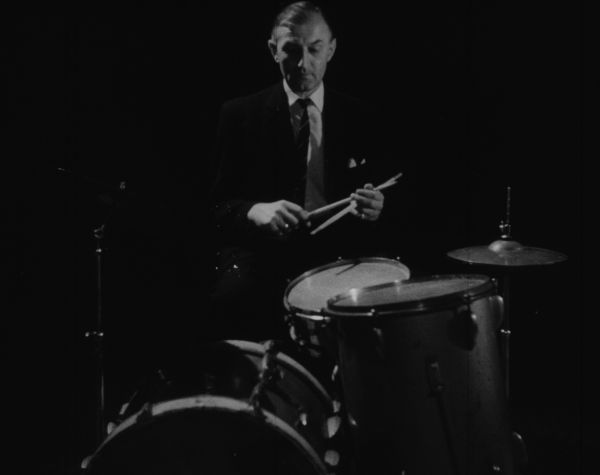
A fanciful portrait of a family member – a barroom drummer and irresistible ladies’ man who lisped as a child, thus forever mangling his name Franta as “Panťa”. The director adds a unique touch to the narrative by combining stylised dramatised scenes with authentic footage, personal commentary and the protagonist’s own testimony, thereby skilfully crafting a legend around a real person with an incredible story. “Panťa, he’s a bit of a madcap, but a great bloke,” says the narrator – played by the director’s schoolmate Vlastimil Venclík – at the end. The work is a second-year documentary project.
director: Karel Fuksa
original title: Můj strýc Panťa
country: Czechoslovakia
year: 1968
running time: 6 min.
FAMU 80The film already had its Czech Premiere
Penzisté

Penzisté

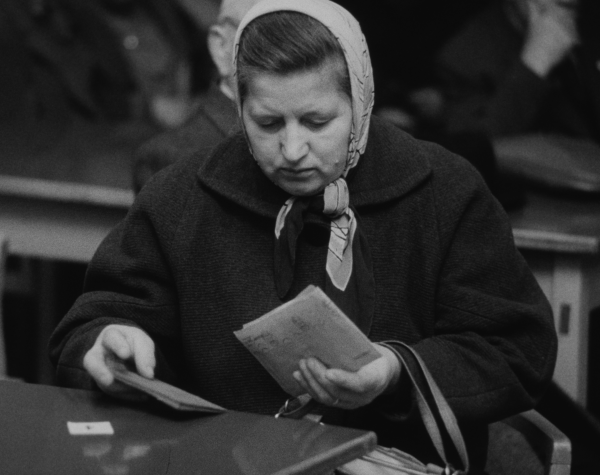
A socially critical documentary based on the contrast between the images and testimonies of pension applicants – destitute and lost in the corridors of the Social Security Institute – and the mechanical detachment of the administrative procedures that determine their fates. In this context, the final statement by a pensioner at the counter strikes an ironic note: “I’m completely satisfied with everything.” Some shots make intertextual references to progressive works from the preceding period with Kafkaesque undertones – the journey along the ceiling of the factory in Schorm’s Courage for Every Day (1964) or the ride in the filing lift in Juráček’s A Character in Need of Support (1963). The work is a documentary exercise by second-year students of the Department of Documentary Film.
director: Angelika Hanauerová
original title: Penzisté
country: Czechoslovakia
year: 1965
running time: 8 min.
FAMU 80
noimage

Užitečné mechanismy čili o úřadech

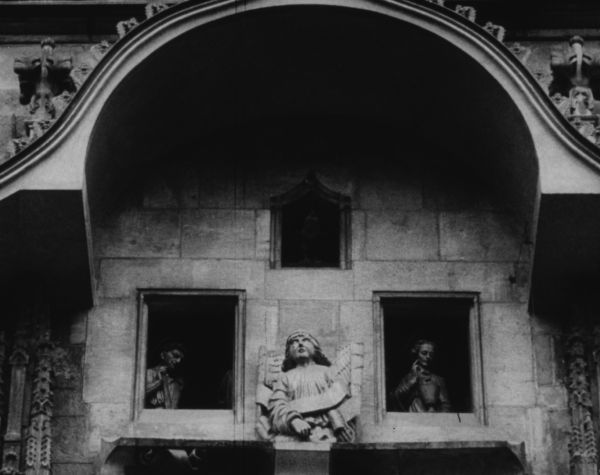
This essay on the administrative processing of a person’s death and the workings of institutions in general is framed by shots of the Prague Astronomical Clock and accompanied by Ernest Gold’s score for the film Exodus (1960). A documentary project by second-year students of the Department of Film Directing.
director: Rudolf Růžička
original title: Užitečné mechanismy čili o úřadech
country: Czechoslovakia
year: 1966
running time: 7 min.
FAMU 80
noimage

Čtyři osudy v kufru

This documentary follows four graduates of Prague’s DAMU Puppetry Department who founded the “Theatre in a Suitcase”, with which they perform on the Charles Bridge, abroad and for children using pantomime and puppetry. The film also features excerpts from their plays and their own commentary. They take issue with a lecturer, claiming that the department allegedly exploited them, and that they only became involved in theatre towards the end of their studies. The survey entitled “How should a person look?” states that “a person should be made in the image of God” and “everyone should be happy to be just as they are”. The work is a second-year exercise from the Department of Film and Television Journalism.
director: Ilko Dundakov
original title: Čtyři osudy v kufru
country: Czechoslovakia
year: 1969
running time: 14 min.
FAMU 80The film already had its Czech Premiere
noimage

Čas je můj luxus / Zeit zu haben ist mein Luxus

This documentary focuses on composer and actor Jan Klusák. It portrays him in the roles he played in Jan Němec’s films The Party and the Guests and Martyrs of Love and also highlights Klusák’s Čtyři malá hlasová cvičení (Four Little Vocal Exercises), which was composed using a theme from Franz Kafka. Following the performance of these “exercises” at Prague’s Theatre on the Balustrade, he went on to collaborate with E. Schorm and V. Chytilová. The film captures him at home (“I’m conservative; I can only work in my own room.”), in the corridor of the Rudolfinum and on walks in the Jewish Cemetery in Olšany. It inquires into his decision not to emigrate after the Soviet occupation of Czechoslovakia (“When you’re unhappy, there’s nowhere to run from it.”). An alienating effect emerges towards the end of the work, as Klusák advises the crew to pan the camera towards themselves in the mirror. The work is a second-year exercise at FAMU’s Department of Film Directing.
director: Marianne Worliček
original title: Čas je můj luxus / Zeit zu haben ist mein Luxus
country: Czechoslovakia
year: 1969
running time: 9 min.
FAMU 80The film already had its Czech Premiere
Kolej, škola a já

Kolej, škola a já

The creative commotion and noise in the halls of residence at the Academy of Performing Arts makes it difficult for students to carry out a fundamental activity – studying. The film takes this initial situation and develops it into a series of humorous and absurd scenes. At the time this short film was made, it caught the public’s attention with its fresh and playful narrative style, the obvious joy of filming, as well as its use of jazz music.
director: Georgis Skalenakis
original title: Kolej, škola a já
country: Czechoslovakia
year: 1956
running time: 10 min.
FAMU 80
noimage

Noc s Krausem a Sýkorou

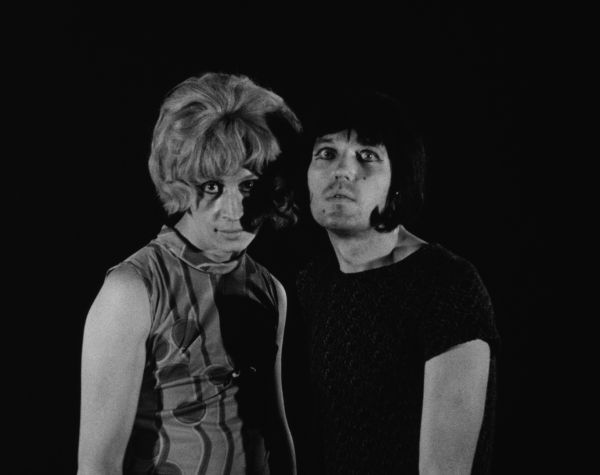
The film captures a performance by the actors of the Toulavý Kabaret (Wandering Cabaret) in the Reduta Hall, featuring characters with real names but fictional backgrounds and biographies. The individual sketches take place against a black backdrop and are imbued with black humour and absurdity. Kraus was already an experienced stage actor at the time, and Sýkora had appeared in major films of the Czechoslovak New Wave, whose directors also cooperated with cinematographer Dodo Šimončič. Following the August occupation of Czechoslovakia, both actors emigrated – Kraus to West Germany and Sýkora to the USA, the latter of which was also home to the film’s director. This work is a television exercise by second-year students of the Department of Directing.
director: Allan Elgart
original title: Noc s Krausem a Sýkorou
country: Czechoslovakia
year: 1966
running time: 14 min.
FAMU 80
noimage

Pan Hrstka

Mr Hrstka lives in a small house by the railway station and works as a factory labourer and art-school model. Those around him tend to view him negatively, describing him as lazy, gluttonous, stupid or ugly. Nevertheless, Mr Hrstka seems content, and has inanimate friends in his house. Among other things, this slightly chilling portrait features authentic footage of the working-class community.
director: Goran Paskaljević
original title: Pan Hrstka
country: Czechoslovakia
year: 1969
running time: 8 min.
FAMU 80The film already had its Czech Premiere
Šibeniční humor

Šibeniční humor

A portrait of the idiosyncratic writer, satirist, illustrator and collector of curiosities Bedřich Kopecný, who, as a librettist of “drawn, spoken, acted or moulded” humour, worked in partnership with Jiří Winter under the joint pseudonym Neprakta (which is why the credits read “voiced by Kopecný, ½ Neprakta”). The film captures Kopecný up close in his home, where he shows off various items from his collection at one moment and draws at his desk the next, all accompanied by a commentary on “human coexistence” that is at once both serious and light-hearted. The piece is a second-year television project.
director: Iskra Cvetkova Dimčevska
original title: Šibeniční humor
country: Czechoslovakia
year: 1965
running time: 6 min.
FAMU 80
noimage

Žít pro stáří

Set against the backdrop of a Sunday dance for the elderly, we hear the confession of an unnamed elderly man. His recollections, which span his entire life, contain many interesting moments. The tragic moments of his life, his current financial hardship, or his health problems fail to trouble the man as much as the latest decision made by the authorities. The film belongs to a number of pessimistic works produced at FAMU in the late 1960s.
director: Andrzej Zajaczkowski
original title: Žít pro stáří
country: Czechoslovakia
year: 1969
running time: 9 min.
FAMU 80
Krabice filmu

Krabice filmu

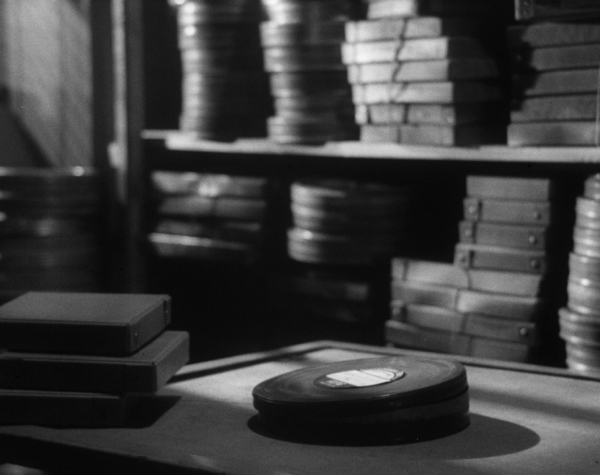
This drama-documentary about student life at FAMU was presented as a series of episodes covering the student’s journey from the entrance interview and lectures to the making of a film. The narrative is stylised in a light-hearted, humorous manner, employing grotesque shorthand, irony, exaggeration and pantomime to illustrate the difficult lot of a film student faced with the school’s strict demands and the complexities of preparing and shooting a film. The film features students of the time – such as Pavel Juráček and Jaromil Jireš – and lecturers: A. M. Brousil leads a seminar on film criticism, Radovan Lukavský teaches film acting, František Daniel comments on a screenwriting exercise, and Jan Kučera assesses the footage: “Well, it’s not bad, but it’ll need some editing.” The film was produced by FAMU with extensive student involvement (camera, production, assistants, actors); however, it is not a student film, as its director had already been a graduate for five years and was teaching at the Department of Film Directing.
director: Václav Sklenář
original title: Krabice filmu
country: Czechoslovakia
year: 1958
running time: 23 min.
FAMU 80The film already had its Czech Premiere
I. občasník

I. občasník

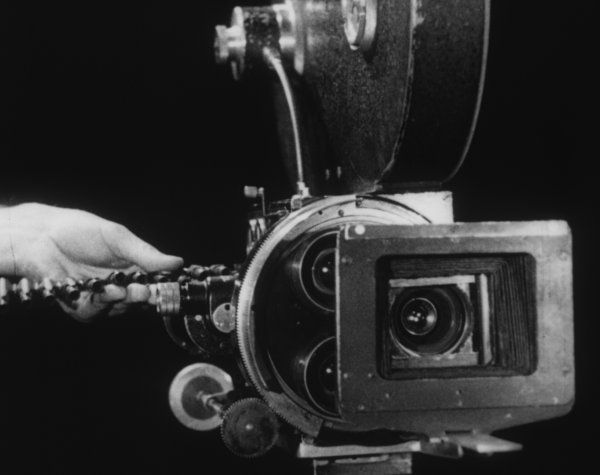
Directed by: Jiří Menzel (Praxe), Věra Chytilová (Říkanky), Pavel Mertl (Samoobsluha), Jan Schmidt (AVU), Evald Schorm (Kostelník), Jiří Hraběta (Reklama), Karel Němec (Mikuláš FAMU)This work is a collaborative project by fourth-year students of directing, cinematography and production. Taking the form of a satirical and tongue-in-cheek magazine, it contains seven contributions in various styles on a range of academic and social topics: the compulsory work placement at DAMU, bicycles and scaffolding on the streets of Prague, shoplifting in self-service shops (under the slogan “serve yourself”), AVU students’ sculptures on campus, a church employee tempted by consumerism, misleading advertising for pedicures, and a St Nicholas Day party at FAMU. The individual segments are separated by a striking visual motif of a camera resembling a machine gun aimed at the audience, emphasised by the opening intertitle reading “bullet hole” and the final pile of bodies set against the din of bombs and explosions. The St Nicholas Day episode features personalities such as Věra Chytilová and Jiří Menzel. The film was made in collaboration with students from DAMU, HAMU and AVU. It is sometimes credited under the title FAMU Journal.
director: Evald Schorm, Jan Schmidt, Jiří Menzel, Josef Hraběta, Karel Němec, Pavel Mertl, Věra Chytilová
original title: I. občasník
country: Czechoslovakia
year: 1961
running time: 9 min.
FAMU 80The film already had its Czech Premiere
Zvukový film o FAMU

Zvukový film o FAMU

This documentary on FAMU is designed with an emphasis on its informative and promotional role. It presents FAMU as a renowned school with a practical focus (“film as a noble form of entertainment is taught through the act of filmmaking”); an institution with international achievements (the New Wave phenomenon) and an openness to international students. The curriculum is covered in detail (from the production of feature films to physical education, which is “the most photogenic of all the compulsory theoretical subjects”), while other sections feature interviews with prominent alumni (Jan Němec, Pavel Juráček, Juraj Jakubisko) and key founders (A. M. Brousil, Karel Plicka); commentary and film clips run throughout. The film was made by the director after she had completed her studies and was produced by Krátký film based on a contract with the Commission for the Promotion of Film Abroad.
director: Angelika Hannauerová
original title: Zvukový film o FAMU
country: Czechoslovakia
year: 1969
running time: 25 min.
FAMU 80The film already had its Czech Premiere
A*M*B 50

A*M*B 50

This portrait of Antonín Martin Brousil, one of the founders of FAMU and long-serving rector of AMU, was made to mark his fiftieth birthday. The film has a celebratory tone, emphasised by lofty commentary: it presents Brousil as a “journalist, scholar, teacher and mentor”, whose native South Bohemian region “filled the boy’s soul with a longing for beauty, which he constantly sought to share with others” and “from there he set out into the world to fight for Czech art”. His contributions to national cinema and its international representation are highlighted (with particular mention of the Venice and Karlovy Vary film festivals and his personal relationships with world-renowned filmmakers), as is his role in the development of FAMU. The film combines new footage with archive material. Of particular value is the opening sequence from Brousil’s birthplace in Dolní Ostrovec near Písek, where he arrives with his wife to visit his parents, and footage from FAMU, which captures AMB’s seminar discussions with students and the celebrations marking the school’s tenth anniversary.
director:
original title: A*M*B 50
country: Czechoslovakia
year: 1957
running time: 5 min.
FAMU 80The film already had its Czech Premiere
About Cats, Beatniks and All Sorts of Other Things
About Cats, Beatniks and All Sorts of Other Things

Miroslav Dohnal comments on his attempt to interview writer Bohumil Hrabal at his flat at 24 Na hrázi Street in Libeň. He states that the filmmakers wanted to find out about his favourite foods, women and writing. Instead, Hrabal talks about his neutered tomcat and his friends from the 1950s, when V. Boudník, E. Bondy, M. Medek and the graphic artist Jaroslav Dočekal used to gather at his place. Hrabal steers the conversation towards Egon Bondy, shows his samizdat publication Půlnoc (Midnight) and reads Bondy’s poem 23 October 1850, which reflects on the executions of victims of communist show trials. He also shows his unpublished poems, his outhouse in the courtyard and a collection of signs, commenting on the finds as he goes along. Finally, he returns to the story of how he acquired the tomcat in exchange for 15kg of pears. Dohnal once again points out the shortage of film stock; the camera pans across the rooftops and, as Bondy said: “Everything has its end, even the solar system.” The documentary was made at the height of Hrabal’s literary and cinematic fame and boldly treads the line of what is possible. As Dohnal says at the end: “We didn’t find out what we wanted to know, but, but…” The film is a television exercise by second-year students of the Department of Film Directing.
director: Rudolf Růžička
original title: O kočkách, beatnicích a všeličems jiném
country: Czechoslovakia
year: 1966
running time: 11 min.
FAMU 80The film already had its Czech Premiere
noimage

Armstrong

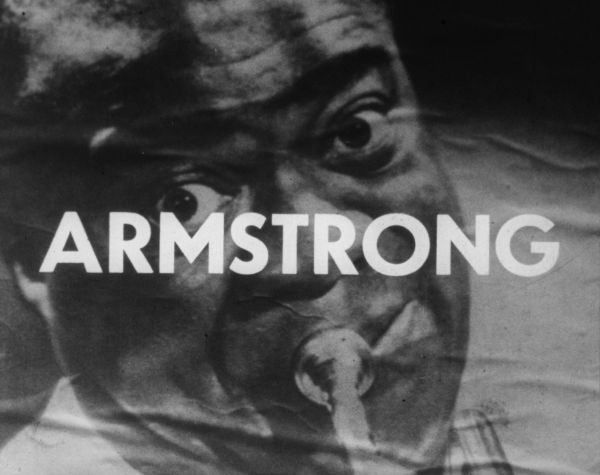
A recording of an exclusive interview between the singer J. Laufer and Louis Armstrong on the occasion of the latter’s concert at Lucerna in Prague. It takes place at the International, a prestigious hotel under Communist rule, and the whole interview comes across as awkward and embarrassing, both in the way it was filmed and the nature of the questions asked. The gift from FAMU students – a children’s trumpet – is amusing, while Armstrong’s answers are both spontaneous and cautious. A side effect is the testimony to the awkward attempts by local companies to gain visibility on camera through the gifts they foist upon the singer (Amati Kraslice, Plzeňský Prazdroj), as well as the official nature of his visit (departure in a Tatra 613 for a tour of Prague Castle). A documentary exercise by second-year students of the Department of Documentary Film.
director: Vít Olmer
original title: Armstrong
country: Czechoslovakia
year: 1965
running time: 10 min.
FAMU 80The film already had its Czech Premiere
Dead Rivers

Dead Rivers

Rivers flowing through areas of intensive industrial production are so heavily polluted with toxic substances that life in them is disappearing. Staff at the Water Research Institute in Prague are analysing water samples and proposing suitable solutions, including the construction of modern treatment plants. Mrtvé řeky (Dead Rivers, 1956) is one of the first Czech films to tackle the themes of pollution and environmental protection.
director: Olga Růžičková
original title: Mrtvé řeky
country: Czechoslovakia
year: 1956
running time: 10 min.
FAMU 80The film already had its Czech Premiere
noimage

Golden Nightingale

A portrait of the singer Marta Kubišová, winner of the Mladý svět (Young World) magazine’s poll for the Golden Nightingale award. It contrasts offensive remarks written in letters with the reality of her work and life. A voice-over poses thought-provoking questions: is she popular, happy or content? On screen, we see and hear the singer at a concert, in the dressing room of the Rokoko Theatre, on a bus, at the airport, with her cat and dog, and with her colleagues Darek Vostřel, Helena Vondráčková, Václav Neckář and Waldemar Matuška. They are accompanied by excerpts from the song Depeše (Dispatch). The subtitles are creatively composed using typefaces from period newspapers. The film is a documentary exercise by second-year students at the Department of Film Directing.
director: Zdenek Zaoral
original title: Zlatý slavík
country: Czechoslovakia
year: 1968
running time: 9 min.
FAMU 80The film already had its Czech Premiere
Hugo Haas 1964

Hugo Haas 1964

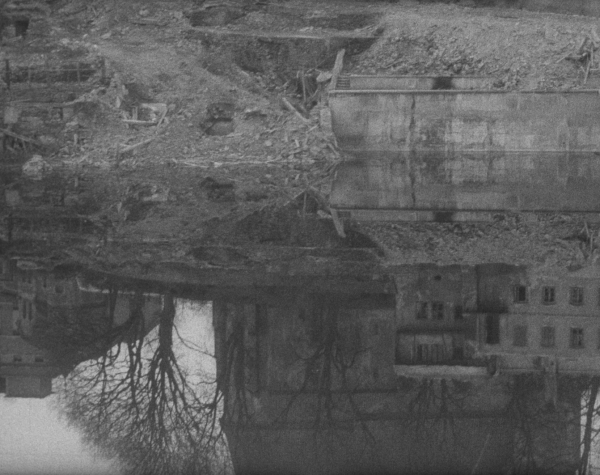
A report on Hugo Haas’s visit to FAMU. Haas is returning to his homeland for the first time from exile in the United States: the film is framed by nostalgic shots of the Vltava River embankment around the National Theatre, an institution he was expelled from due to his Jewish heritage. The main part takes place in a packed lecture hall during a discussion with students, where Haas talks about his career, the acting profession and his experiences in Hollywood. Footage from the discussion is interspersed with clips from his films, particularly The White Disease (1937). The film is a documentary project by fourth-year students.
director: Rudolf Adler
original title: Hugo Haas 1964
country: Czechoslovakia
year: 1964
running time: 7 min.
FAMU 80
noimage

Jiří Kolář 66

Accompanied by thumping sounds and cacophonous music, the film, which is set in a Prague shrouded in smoke and mist, captures the artist and poet in his studio, in a gallery viewing abstract paintings, and at the famous round table in the Slavia café. Kolář talks about writing and “object poetry”, represented here by a ladle covered in stickers, while his other work involves creating a collage of a face from cut-up photographs. Luděk Munzar recites one of his poems. The film is a documentary exercise by second-year students at the Department of Film Directing.
director: Vít Hrubín
original title: Jiří Kolář 66
country: Czechoslovakia
year: 1966
running time: 8 min.
FAMU 80The film already had its Czech Premiere
Plastic People of the Universe

Plastic People of the Universe

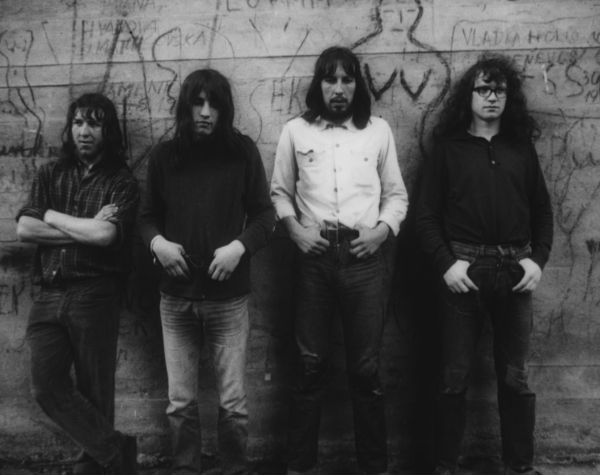
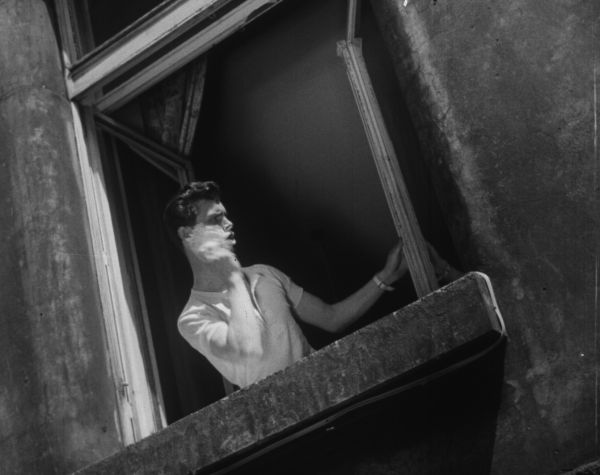
The first documentary about the underground band PPU was made shortly after its formation in 1968. It captures a party at the Jirous Family’s flat in Balabenka, a music recording session at Na Petynce television studio, the group’s work in the woods near Humpolec (pruning and bark stripping to earn money for new equipment), and a rock festival in Pelhřimov. Jirous explains to the commentator the meaning of the word “underground” as defined by Ed Sanders, i.e. a total attack on culture, and talks about collaborating with visual artists on the concepts of their performances. In the spirit of Zorka Ságlová’s land art events, four members of the group (Mejla Hlavsa, Josef Janíček, Pavel Zeman and I. M. Jirous) jump out of the window of a flat in Holešovice where Hlavsa lived with Mirka Benešová; they appear in front of a painted wall using a stop-motion technique; they wrestle in a meadow by the river; they attempt to climb the arches of the bridge over the Želivka River in Vojslavice near Humpolec; and they jump on benches at the Prague Exhibition Grounds. The film is accompanied by songs with lyrics by A. Grin, V. Jirousová and M. Jernek: Gnor’s Life, Fafejta Bird, The Sun, and Zappa’s Let’s Make the Water Turn Black. The film ends with a reverse shot of the return to the window and the reversal of the closing credit “The End”. The film is a documentary exercise by second-year students of the Department of Film Directing.
director: César de Ferrari
original title: Plastic People of the Universe
country: Czechoslovakia
year: 1970
running time: 10 min.
FAMU 80The film already had its Czech Premiere

Contact

CONTACT US

DOC.DREAM​
Karlovo náměstí 285/19
120 00 Prague 2
Czech Republic

e-mail: info@ji-hlava.cz

Festival partners

Ministerstvo kultury
Fond kinematografie
Město Jihlava
Kraj Vysočina
Creative Europe Media
Pale Fire Capital
Česká televize
Český rozhlas
Respekt
Dafilms

Newsletter

I confirm that I agree with Principles Relating to Personal Data Processing for Ji.hlava IDFF. More info here.

Days until the festival

0