synopsis
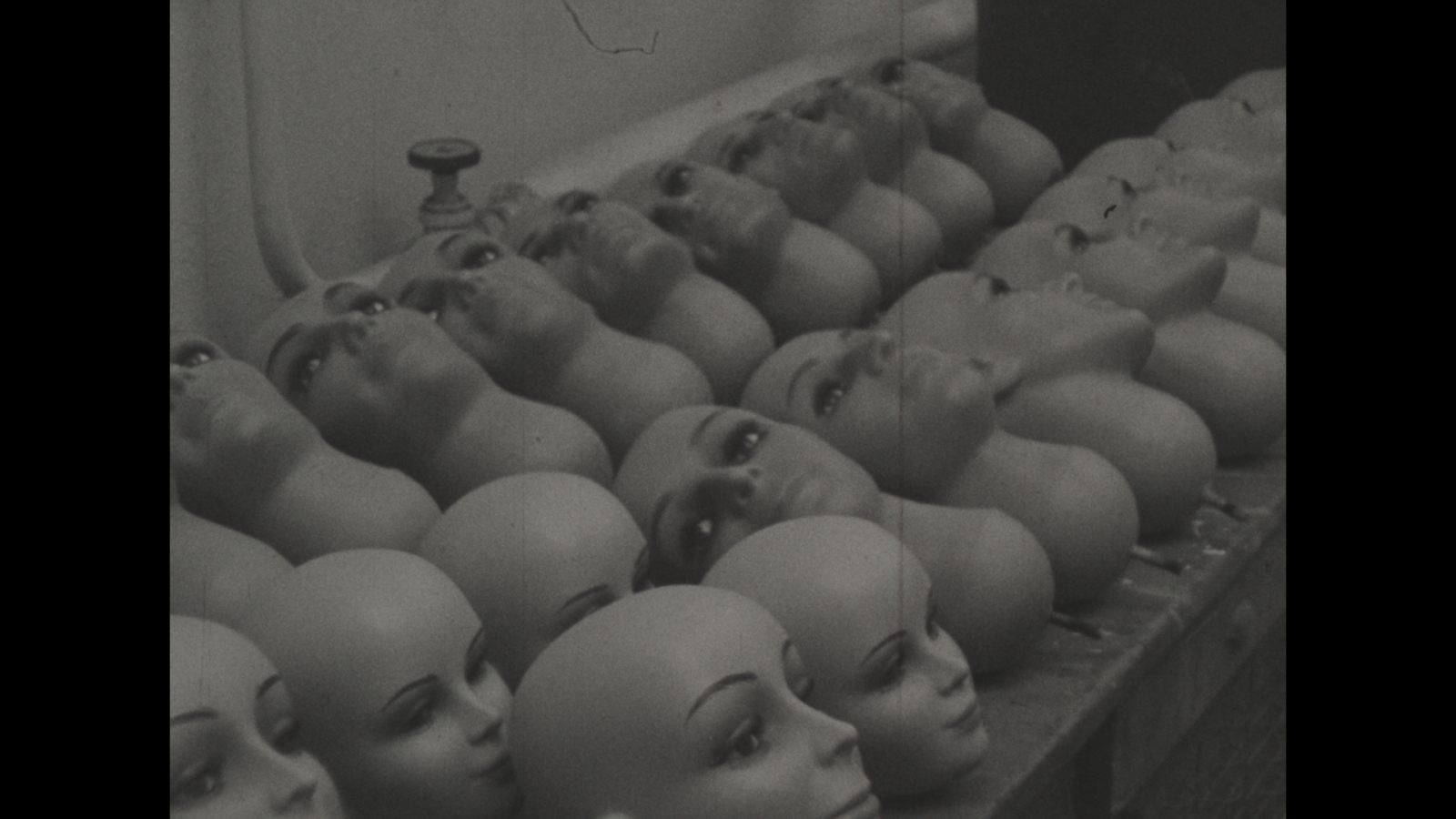
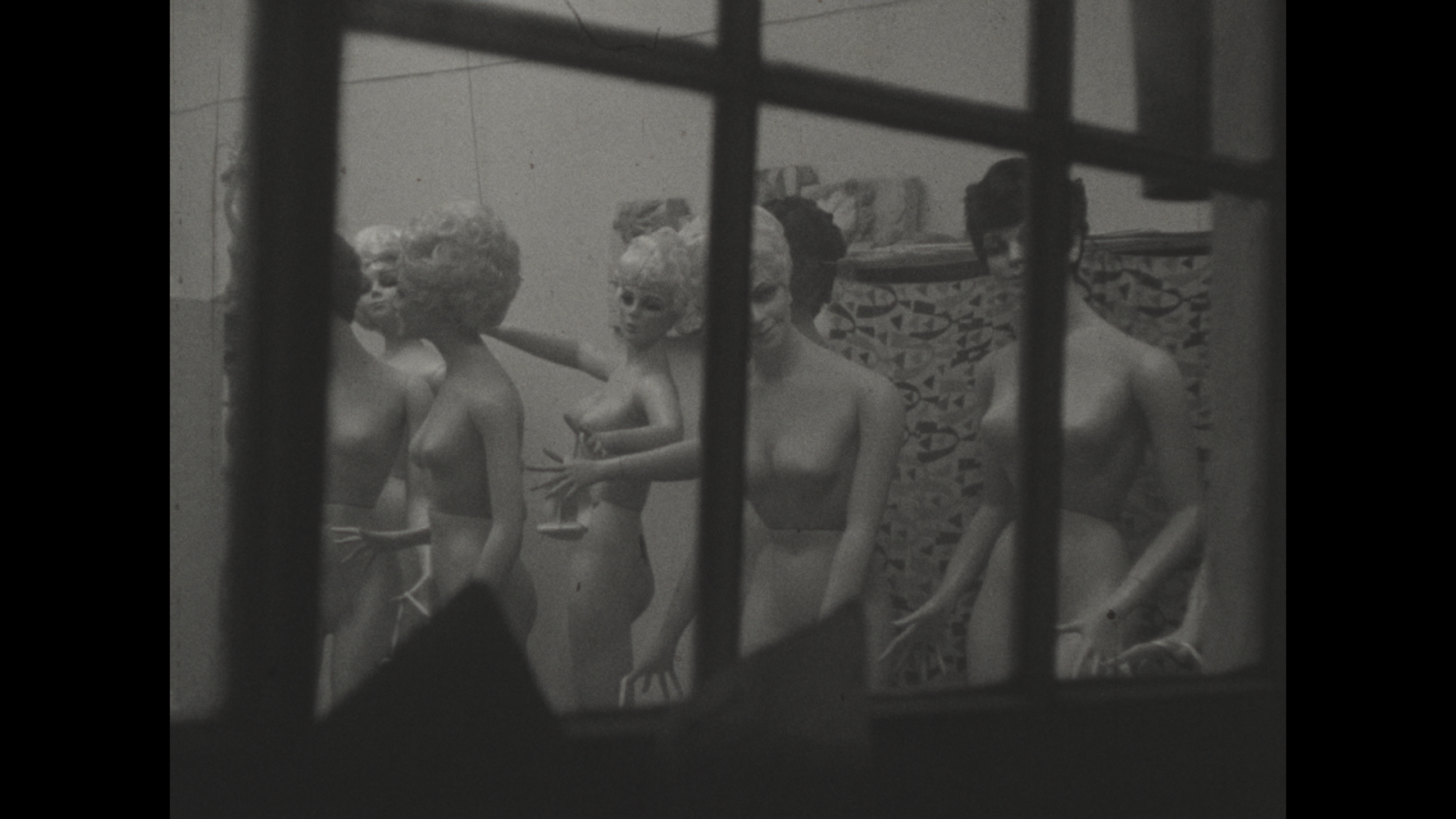
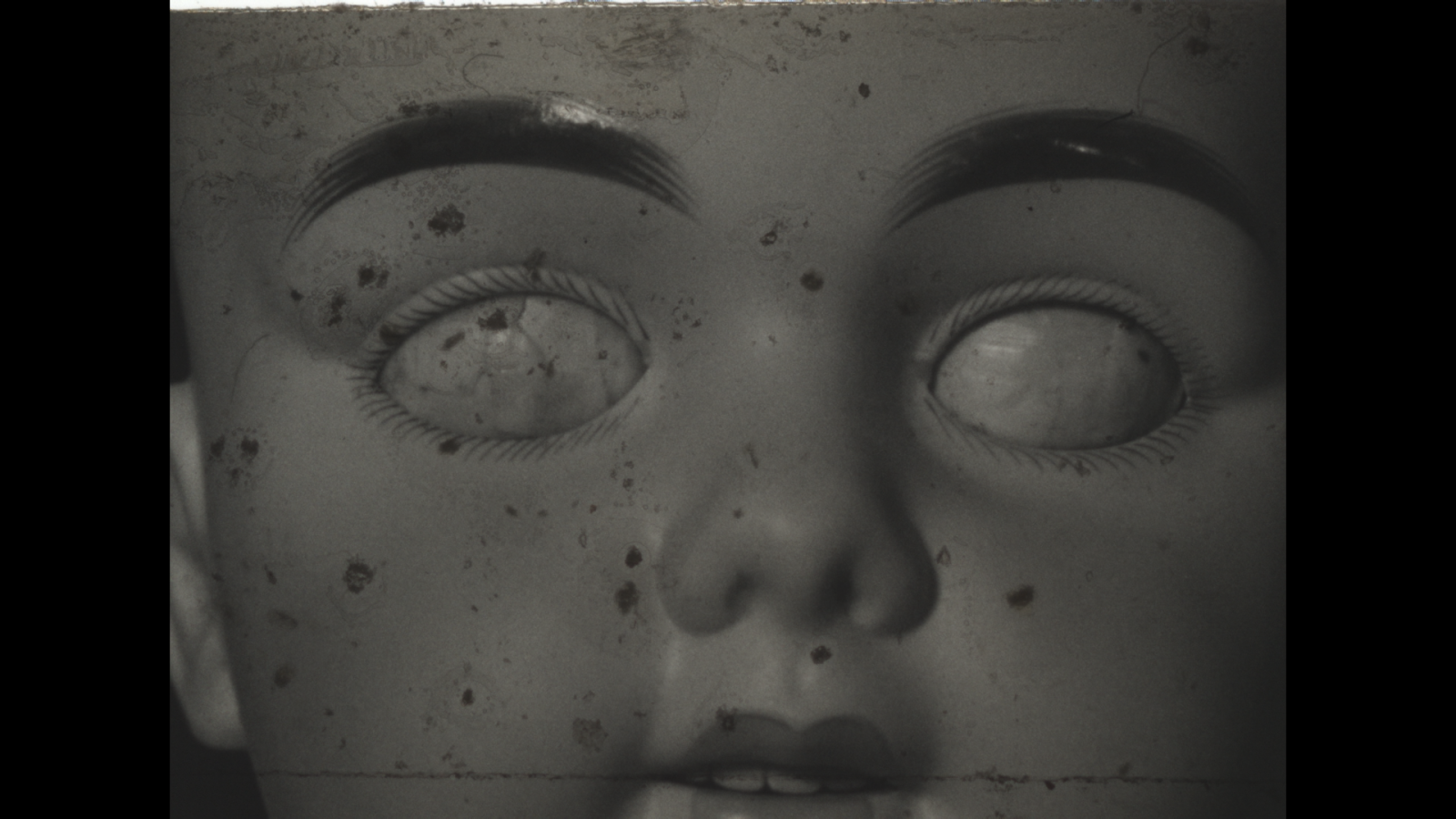
The author set her first-year “working procedure” exercise in a mannequin workshop in Prostějov. In this silent footage, we witness the meticulousness of the handcrafted production of dolls – a process that seems almost fascinating today. As the title suggests, the director shot the film – which was made during the early days of Czechoslovakia’s “normalization” period – with the aim of creating a metaphor for the establishment’s relationship with the ideally silent and uniform male and female citizens of Czechoslovakia.
biography
Helena Třeštíková (born 1949, née Böhmová) is one of the most successful Czech documentary filmmakers of the influential generation of the 1970s. At FAMU, she made several remarkable films, the best known of which is
Živá voda (Living Water, 1972). She has primarily devoted her professional life (though not exclusively) to time-lapse documentary filmmaking.
film details
| director: | Helena Bőhmová |
| producer: | Lukáš Hanzal |
Film at festival
| festival edition: | 2026 |
| section: | FAMU 80 |
| language: | No Dialogue |
| colour: | Black and white |
Info
| director: | Helena Bőhmová |
| original title: | Jak se nedělají lidé aneb Reportáž o továrně na umělé panny |
| country: | Czechoslovakia |
| year: | 1970 |
| running time: | 10 min. |