synopsis
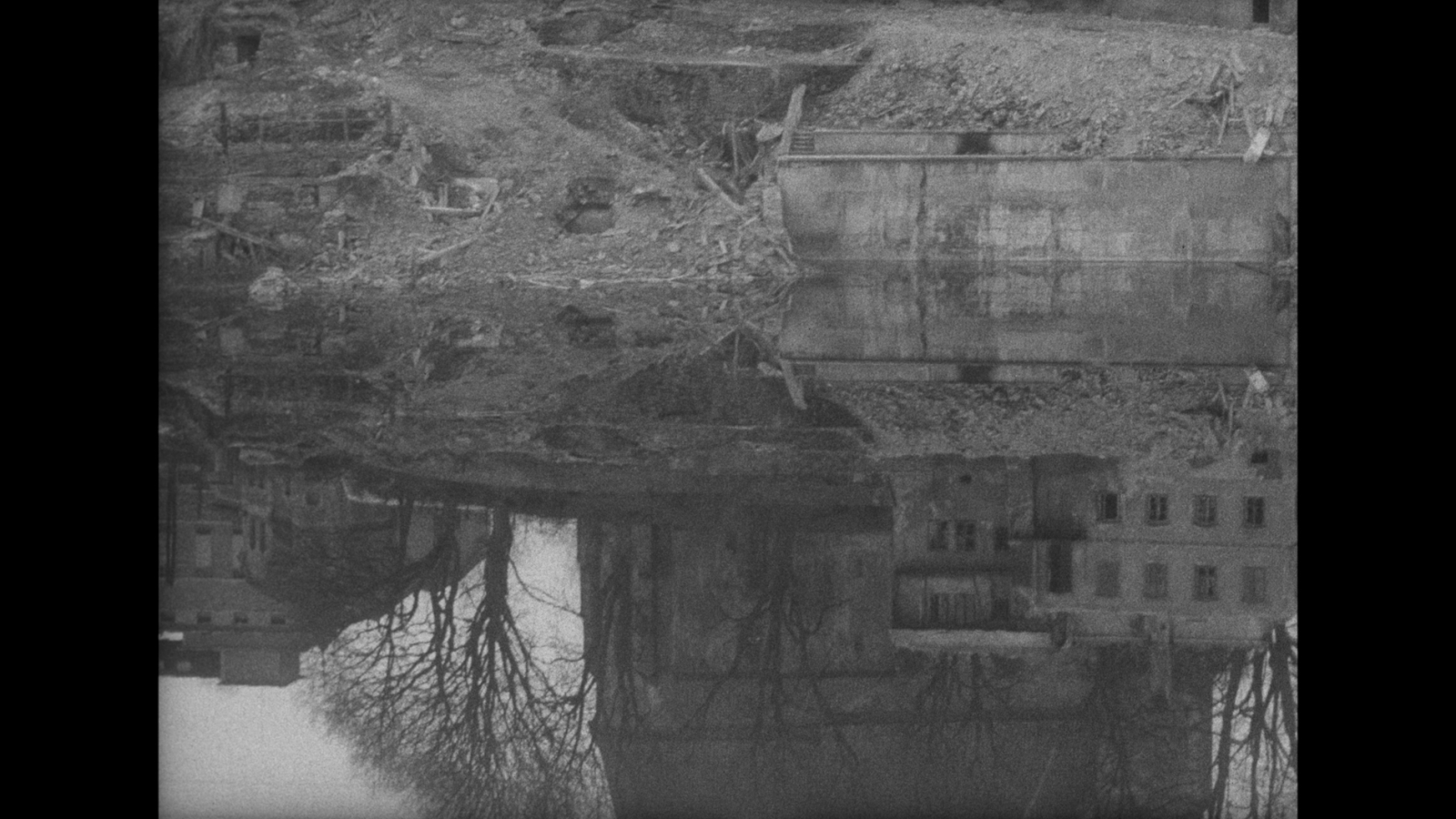
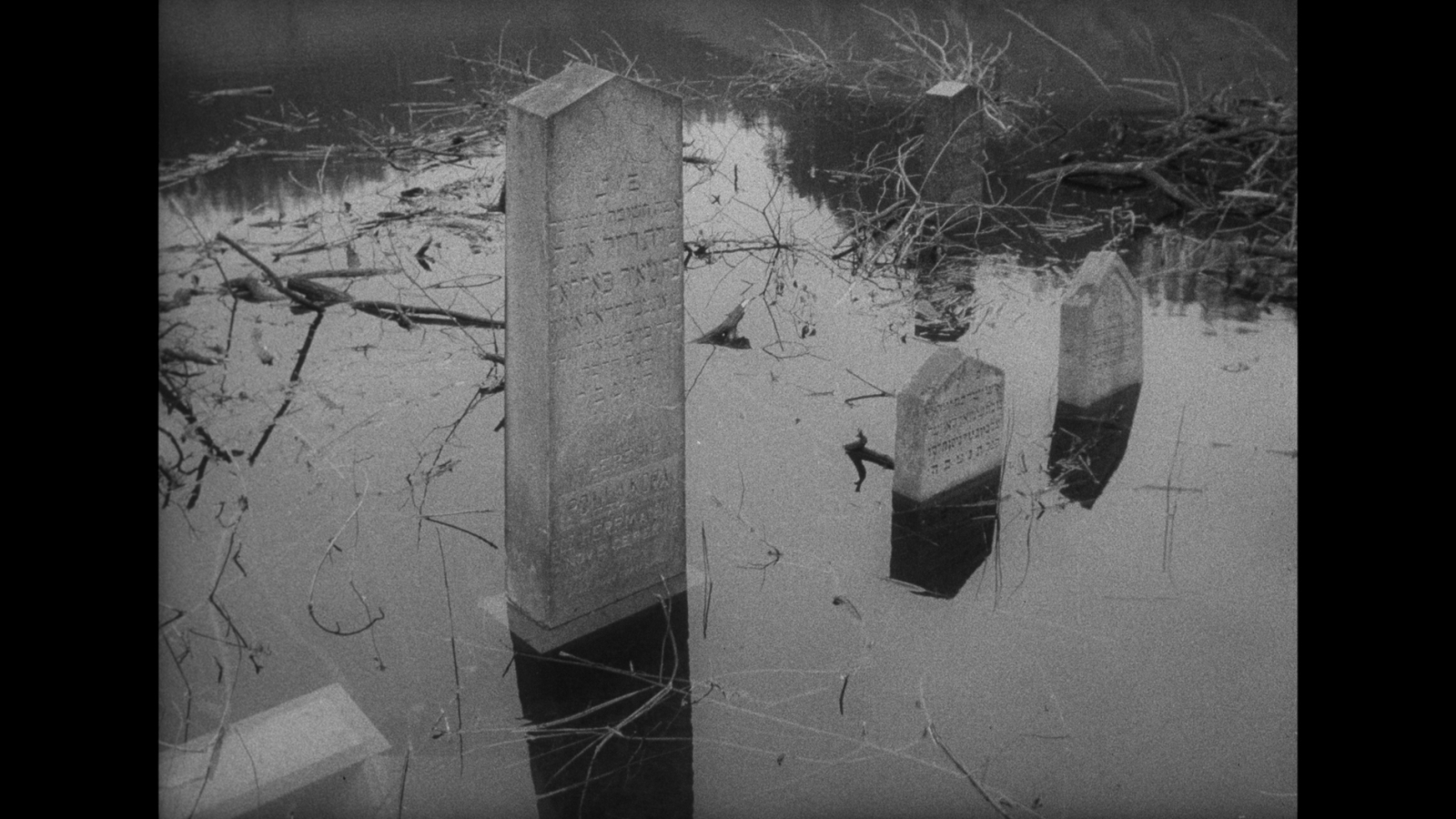
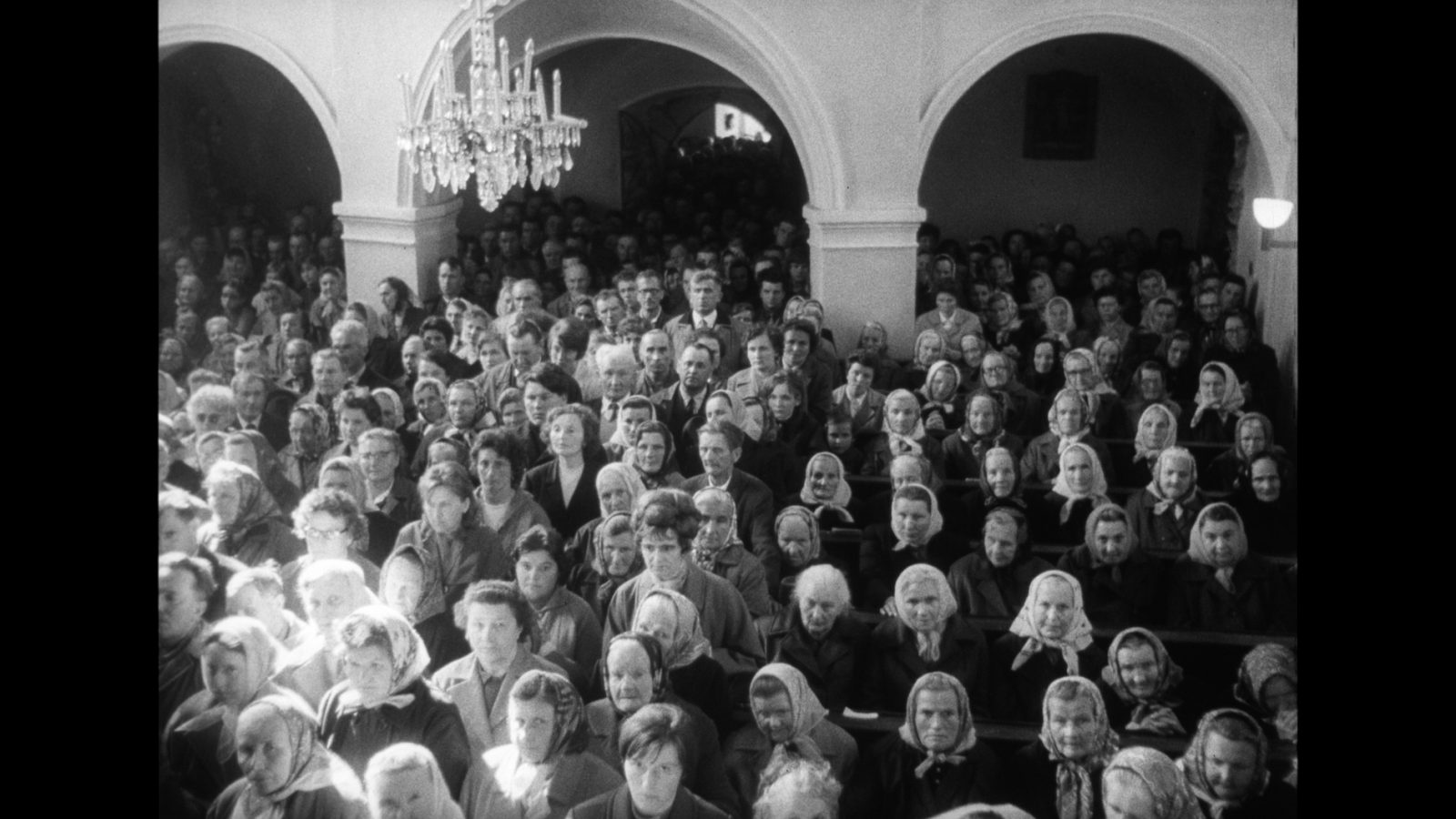
This second-year documentary exercise is often considered to be the most important work of the filmmaker’s student years. In this harrowing and, for its time, relatively daring film about the inhabitants of Dolní Kralovice, a village gradually submerged by the newly constructed Želivka Reservoir, the director employed elements of longitudinal filmmaking for the first time, a technique for which she would later become renowned. Today, the film has undeniable historical as well as artistic value, both for the candid testimonies of the residents forced to leave their homes and for its visual documentation of the landscape disappearing beneath the water.
biography
Helena Třeštíková (1949, née Böhmová) is one of the most successful Czech documentary filmmakers of the prominent generation that emerged in the 1970s. During her studies at FAMU, she made several notable films, the best known of which is
Living Water (Živá voda, 1972). Throughout her career, she has focused primarily, though not exclusively, on longitudinal documentary filmmaking.
film details
| director: | Helena Bőhmová |
| producer: | Lukáš Hanzal |
Film at festival
| festival edition: | 2026 |
| section: | FAMU 80 |
| language: | Czech |
| subtitles: | No Subtitles |
| colour: | Black and white |
Info
| director: | Helena Bőhmová |
| original title: | Živá voda |
| country: | Czechoslovakia |
| year: | 1972 |
| running time: | 15 min. |