Minamata: The Victims and Their World
Noriaki Tsuchimoto / Japan / 1971 / Czech Premiere / 120 min.
synopsis
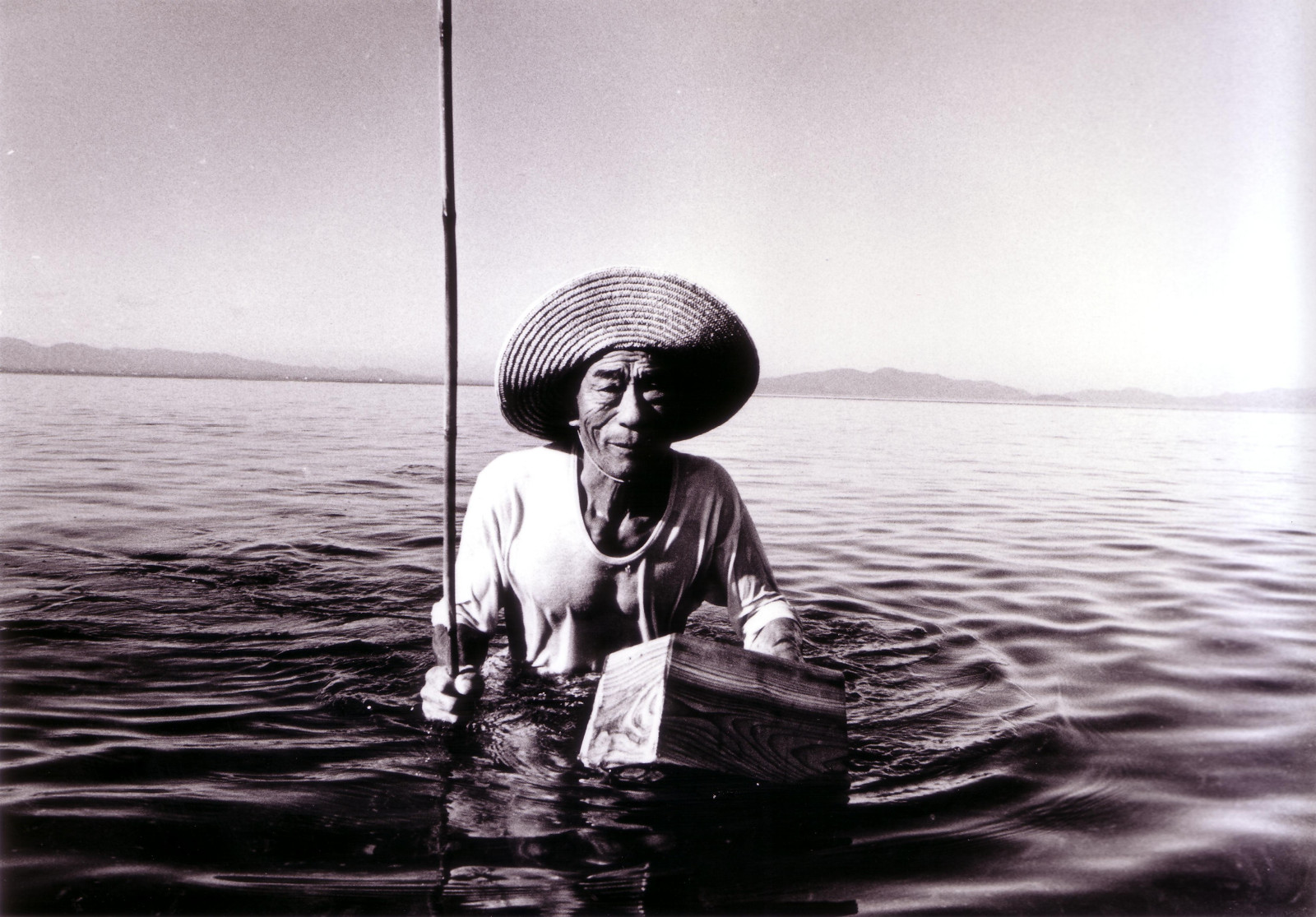
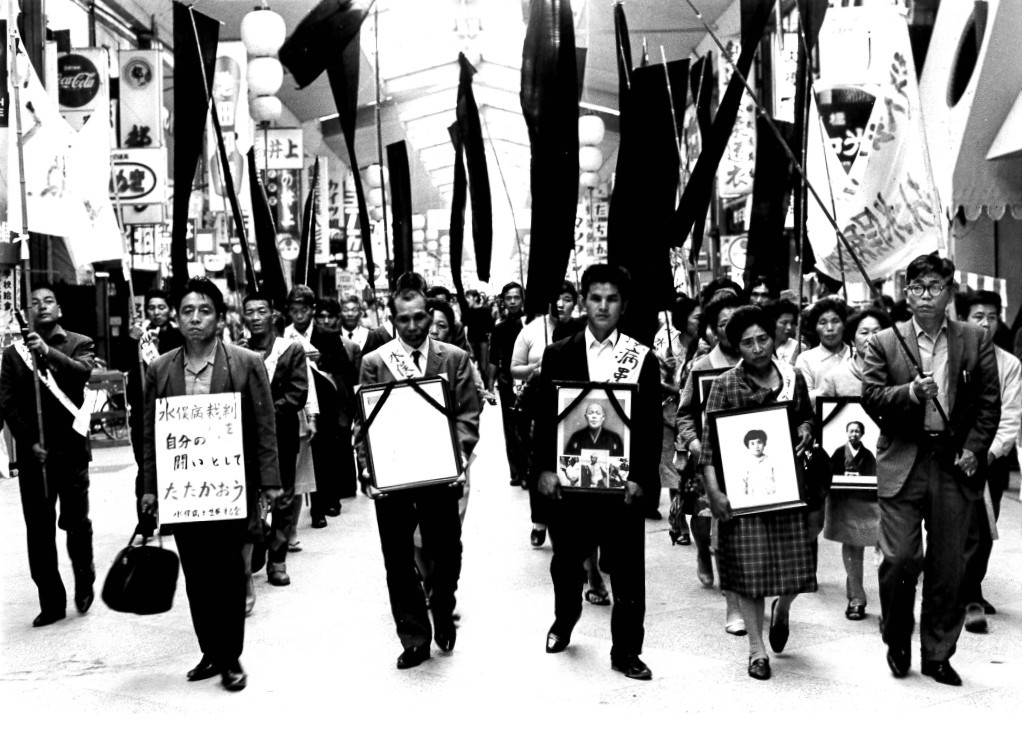
The first independently produced instalment of Tsuchimoto’s chronicle, which is set in the area around Minamata Bay in the Shiranui Sea, expresses both admiration and humility towards those whose lives have been marred by often-fatal mercury poisoning. Black-and-white close-ups of the faces and gestures of those affected – whether those afflicted by Minamata disease or their caring relatives – are accompanied almost exclusively by their own accounts. At other times, they remain silent, and the depth of field, close-ups and lighting heighten our sensitivity to physicality, the inhabited space and its texture. Tsuchimoto employs this language both aesthetically and ethically, revealing how he reflects on his position in relation to the individuals he films.During the five-month shoot in 1970, Minamata disease had not only been scientifically documented – the region had been living with it for almost fifteen years. However, neither an admission of guilt nor an appropriate response from the state had materialised, and the residents distrusted the media. Tsuchimoto’s film crew became part of the community, screening the footage they had shot every evening in the home of one of the victims. In doing so, he gave them back the voice that the media had denied them. The film captures the birth of the “one-share movement”, through which the sick and their bereaved families secured entry to the general meeting of the Chisso chemical plant. The court ruling of March 1973, which found the company liable, was the result of this movement, which subsequently inspired the spread of this practice to other countries as a means of strengthening the position of people directly affected by industrial production.
Images: "Minamata: The Victims and Their World" © 71 Higashi Production / Photo: Takeshi SHIODA
biography
Noriaki Tsuchimoto (1928–2008), the “filmmaker of the sea”, was one of the two most significant Japanese post-war documentary filmmakers (alongside Shinsuke Ogawa). He screened films about Minamata in Europe in the 1970s, on the occasion of the United Nations Conference on the Human Environment, as well as in Canadian First Nations communities, where mercury had polluted the rivers. He also made films about Siberia and Afghanistan.film details
| director: | Noriaki Tsuchimoto |
| producer: | Ryūtarō Takagi |
Film at festival
| premiere type: | Czech Premiere |
| festival edition: | 2026 |
| section: | Films That Changed the World |
| language: | Japanese |
| subtitles: | English |
| colour: | Black and white |
Info
| director: | Noriaki Tsuchimoto |
| original title: | 水俣 患者さんとその世界 |
| country: | Japan |
| year: | 1971 |
| running time: | 120 min. |