Fascinations
Fascinations is a prestigious competition section for best world experimental documentary films. Unexpected representations of the lived world through exploratory work with film language in an atlas of contemporary experimental cinema from every continent.
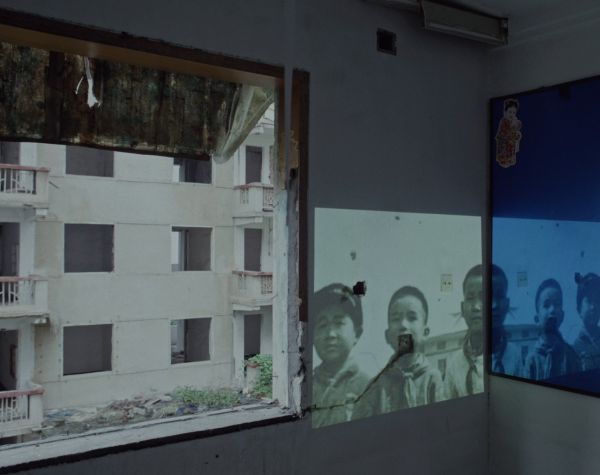
3 Lost in Towers
The fractured walls of unfinished houses in the filmmaker’s hometown become screens for images of family life crushed by punishing labour. The digitally resurrected voice of a “white glove” – an intermediary between Chinese authorities, banks and investors – recounts a life that came to a tragic end with the collapse of the property market. “My uncle was the ‘maverick’ of our family and at times a source of crises. His life was a wild obsession with land; his ambitions and solitude reflect a microcosm of China’s history, from land reform and urban demolition to the real estate debt crisis.” — Jingyuan Liang
director: Jingyuan Liang, Shizhao Ye
original title: 跳房子
country: China, United Kingdom
year: 2026
running time: 17 min.
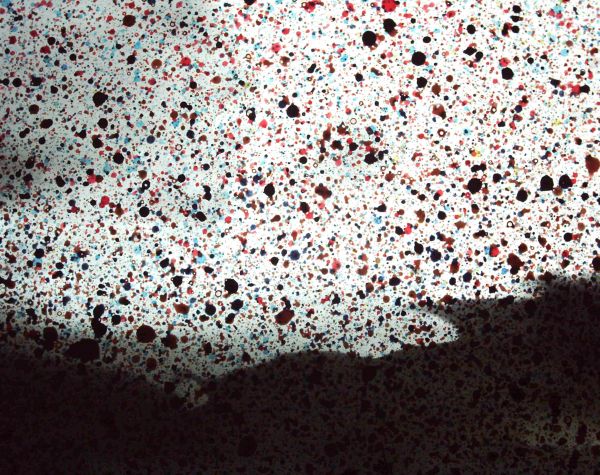
Ad Infinitum
Vegetation and minerals send the gaze branching into structures where the forest meets its digital and cinematic reflections. A plunge into detail explores both nature and the possibilities of its representation: each closer view opens up another space. An ardent declaration of love for matter that transcends its depictions and returns knowledge to wonder. “‘If something interesting is happening, I possibly decide to shoot in the opposite direction’ [say Seppo Renvall], and often he finds something more subtle, more telling than the spectacle ahead. His sympathy goes to the little things in life, or maybe I should say: empathy.” — Klaus W. Eisenlohr Source: Directors Lounge: Seppo Renvall — Times, Songs and Material.
director: Seppo Renvall
original title: Ad Infinitum
country: Finland
year: 2026
running time: 10 min.
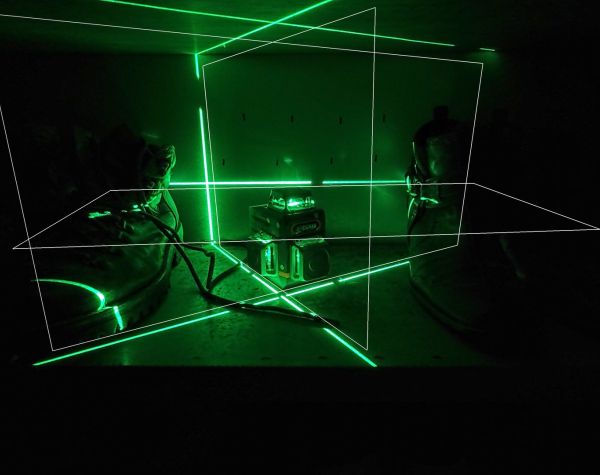
Albert Wondered What Light Is
The sharp beams of a cross-line laser divide intimate domestic corners into mutually perpendicular planes. The light is real, yet seems virtual: its flickering, amplified by the camera’s unsteady movement and collisions with the textures of everyday life, stands in contrast to the unyielding geometry underscored by the precise graphics measuring out space. “While I was in a dark room, watching green space illuminated by green beams from a laser level, I couldn't help but wonder about the nature of light — something so familiar, yet so mysterious.” — Yoshiki Nishimura
director: Yoshiki Nishimura
original title: Albert Wondered What Light Is
country: Japan
year: 2026
running time: 7 min.
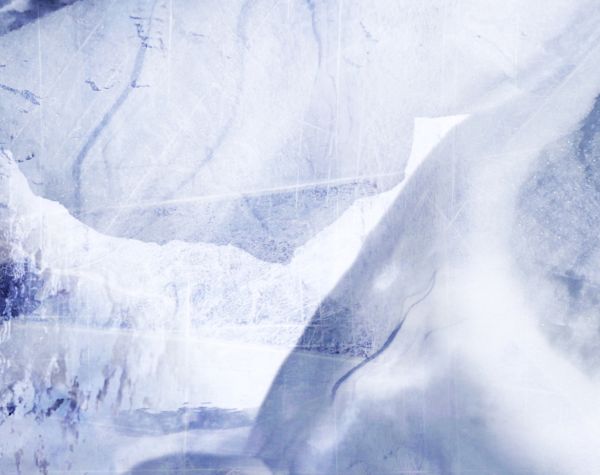
albus
How whiteness grows: “Albus” is Latin for white. A close study of subtle shifts in structures of ice – forming floes, frost crusts and clusters of foam – springs forth on the verge of abstraction, as do the hushed murmurings and rustlings that reveal the sounds of ice. “Icy surfaces drift into shifting textures, forming a subtle rhythm that transforms silent natural movement into a painterly composition.” — Youjin Moon
director: Youjin Moon
original title: albus
country: United States
year: 2026
running time: 8 min.
battle under the pink sky
Poisonous colours flow into the insistent liquidity of ammonia and methane, where lights spill beyond contours and vie with the harshness. An obsolete camera reveals a battlefield within the frame; the unrestrained artifice of blotches of colour and sound turns a distant conflict into an occupation of the senses. A text inspired by Alberto Laiseca’s novel Los Sorias (The Sorias) assigns a chemical composition to this deluge. “There were colours that existed only in that battle and never again […]” — Alberto Laiseca, Los Sorias
director: Franco Figueroa
original title: batalla bajo el cielo rosa
country: Argentina
year: 2026
running time: 13 min.
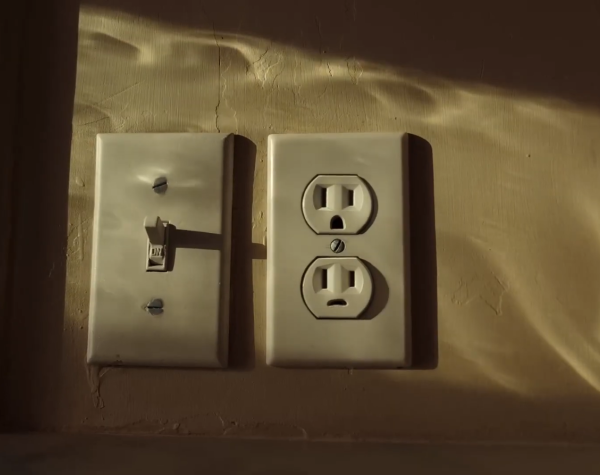
Body Electric
In an age of the ubiquitous Internet of Things, an electrical socket confesses its loneliness and longing. A found-footage assemblage drawn from an iPhone advert embeds constant surveillance in a familiar AI aesthetic and, with chilling humour, trades the promise of care for the appropriation of a woman user’s lived experience. The smart home becomes the listening body of a world in which privacy has no off-switch. “It used the feelings of others to clarify its own. It made them its own so completely that it came to believe it had created them.”
director: Mike Hoolboom
original title: Body Electric
country: Canada
year: 2025
running time: 2 min.
Composting Cinema: Essays on the Soil
Soil is a natural and cultural space, a form of memory: its layers hold hunger and sustenance, care and plunder, knowledge and secrets; it is both a source and a grave. An ethnographic and artistic exploration of the erosion-stricken Alentejo region in southern Portugal brings together rotoscoped archival films, animated herbaria, soil chromatograms and the electrical signals of plants translated into sound. Footage of regenerative farming is developed in a bath made from cork oak acorns. “While conducting research on regenerative practices in the eroded soils of Montemor-o-Novo, southern Portugal – a place where I lived for five years and engaged in agricultural and cultural life – I began to wonder: how can soil and its complex assemblage of entities and relations be made to speak?” — Daniela Rodrigues
director: Daniela Rodrigues
original title: Cinema Compostagem: ensaios sobre o solo
country: Portugal
year: 2026
running time: 25 min.
Dear you,
Fragments of body and landscape emerge from cinematic silence, given a shared skin by the grain and scars of black-and-white film. Definitions of getting acquainted, embracing and parting trace the course of an encounter whose intimacy eludes dictionary entries. Between naming and the sensory trace, a grammar of closeness takes shape: how to preserve a touch when all that remains is a word of greeting. "tanışmak — to get to know one another; sarılmak — to embrace, to cling to, to hold on tightly; vedalaşmak — to say goodbye to one another."
director: Rasia Yusuf
original title: Dear you,
country: Egypt
year: 2026
running time: 3 min.
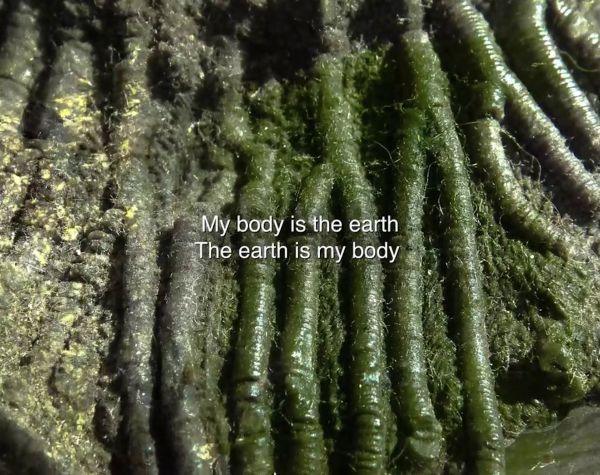
Ecology of the Body
In extreme close-up, the human skin unfolds into mountain ridges, valleys and dry riverbeds. Rhythmic forms merge with inner and outer landscapes, suffused with sound compositions by Delia Derbyshire, originally written for the video art of the duo Hooykaas/Stansfield, and sounds of nature from the duo’s archive. “Our bodies are the earth. The earth is our body. In my practice of walking, looking, filming and writing in connection to the landscape and seascape I keep living these words.”
director: Madelon Hooykaas
original title: Ecology of the Body
country: Netherlands, France, Italy
year: 2025
running time: 4 min.
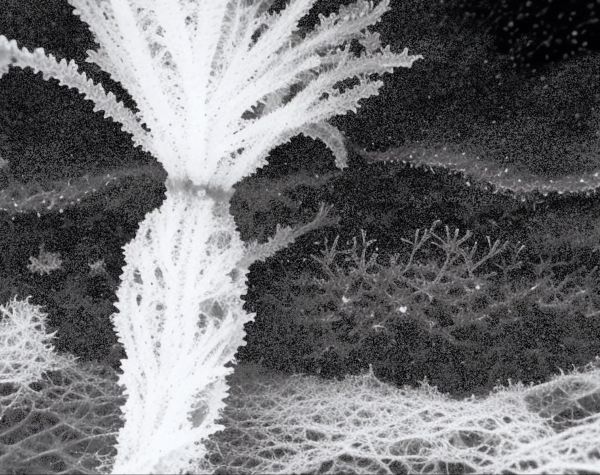
Echoes Between Seeing #2
Specks of dust and blemishes on the surface of black-and-white 16mm film blossom into crystals and fantastical flowers. A diffusion model has dissolved travel footage into noise, computing shapes of its own to fill in what was lost; the original image glimmers through layers of physical and digital growth. A landscape is born from image fragments and clinging dust. “The film explores how perception stitches together fragments of experience. Hybridized landscapes emerge – neither human nor artificial, neither documentation nor hallucination – inviting viewers into a shifting space of in-betweenness.” — Nan Wang
director: Nan Wang
original title: Echoes Between Seeing #2
country: Netherlands
year: 2025
running time: 8 min.
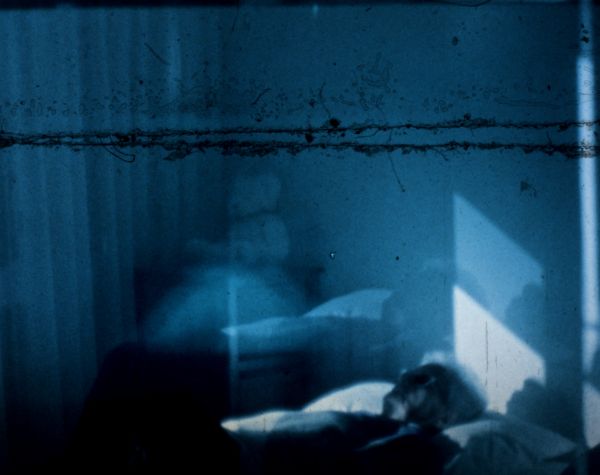
Elusiveness of Today
Everyday life multiplies and blurs in layers of images that, in a frantic montage, forget what came before them. An excess of sensations floods the cramped apartment inhabited by Marilli, who has been diagnosed with Alzheimer’s disease. Hand-processed 16mm film, accompanied by a delicate soundscape of everyday fragments, lets the past flicker through in places where the present moment loses its contours. “Thanks to my photography background, I can […] challenge the limits of a moving image and re-evaluate cinematic conventions.” — Dominika Kováčová Source
director: Dominika Kováčová
original title: Elusiveness of Today
country: Belgium, Slovakia
year: 2026
running time: 5 min.
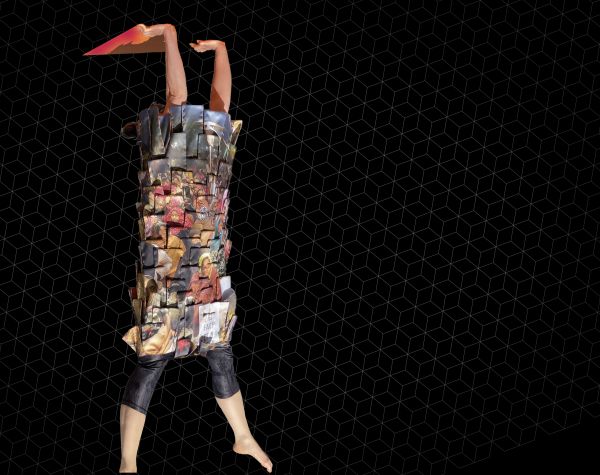
Fashion of Resistance - Shaheen Bagh
The dress is adorned with the imprints of protest: the performer’s movements alternately conceal and reveal the faces of Muslim women who occupied the streets of Delhi’s Shaheen Bagh neighbourhood in opposition to the amendment to the Citizenship Act. A single body thus bears a collective defiance. As geographer Srilata Sircar’s voice dissects government accounts of the events, the garment restores the weight of bodily presence to the disparaged gathering of women. “How can protestors balance their need for visibility and anonymity?” — Manu Luksch Source: Manu Luksch.
director: Manu Luksch
original title: Fashion of Resistance - Shaheen Bagh
country: United Kingdom
year: 2026
running time: 12 min.
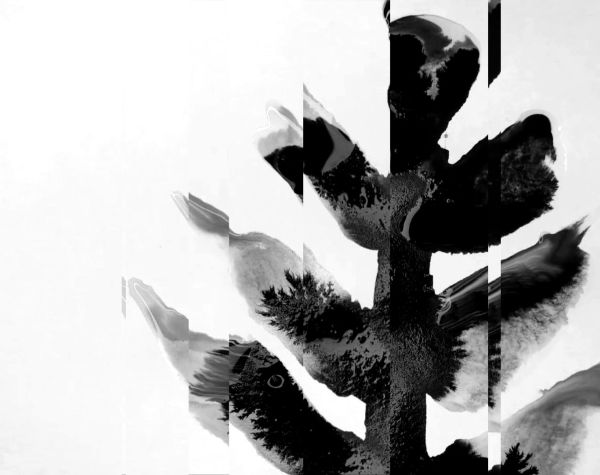
Flowers and Dust
Calligraphic ink, brush and water: vegetation proliferates across a white surface, unfurling into flowers and branching into a delicate, hair-like network of veins. A melancholy voice seeps into it, singing of an abyss held at bay by flowers and grains of dust. Sharp, regular edges of digital seams and fragile yet defiant verses cut through the organic growth. “Flowers and Dust is a reflection on memory: on what remains between words, between a breath and an exhale, between creation and disappearance.” — Mykyta Vlasov
director: Mykyta Vlasov
original title: Квіти і пил
country: Ukraine
year: 2026
running time: 4 min.
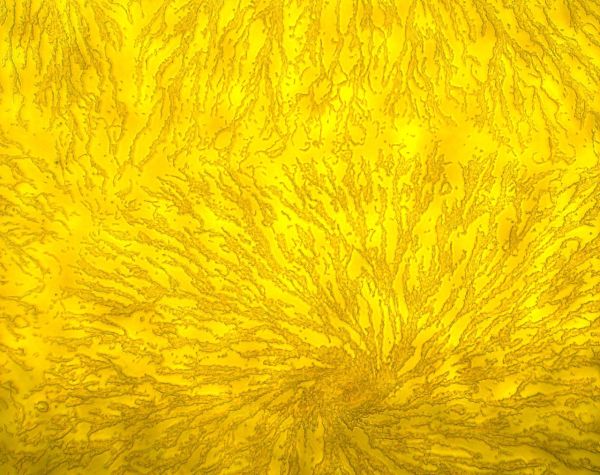
Grex
Thousands of single-celled slime moulds dance in a frenetic whirl to a track by Joshua Borin from the album by British pianist Hannah Watson Emmrich. Scientific microscope footage is transformed into an artistic artefact, drawing us into a musical-microbiological ecosystem of cells that come together to form a coordinated, slug-like structure known as a grex. “Science often generates hidden beauty long before we realise it may resonate far beyond the laboratory.” — Jitka Čejková
director: Hannah Watson Emmrich, Jitka Čejková
original title: Grex
country: Czech Republic, United Kingdom
year: 2026
running time: 4 min.
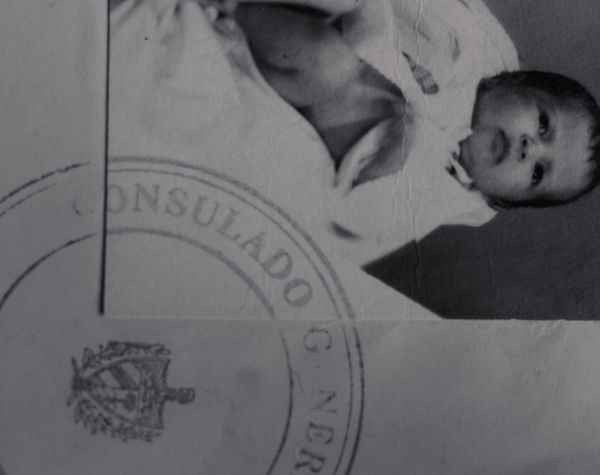
Identity and Transit Document No.4
ID photographs, wedding footage, a few snapshots, intimate details and a Komsomol membership booklet: silent traces of an Uzbek woman who travelled the corridors of the Eastern Bloc – from Tashkent to Odesa, from Odesa to Havana. Behind these identity documents, three generations of women emerge from an oppressive silence, bound by the experience of exile and intimate reflections on the ties between generations. “A central inquiry in this film is how this mother-daughter relationship, intimate and therefore made of micropolitical gestures, is traversed by the macro-gesture, by the power plays and hostility of the system that contains them.” — Rocío Salima
director: Rocío Salima
original title: Documento de identidad y tránsito número cuatro
country: Cuba
year: 2026
running time: 8 min.
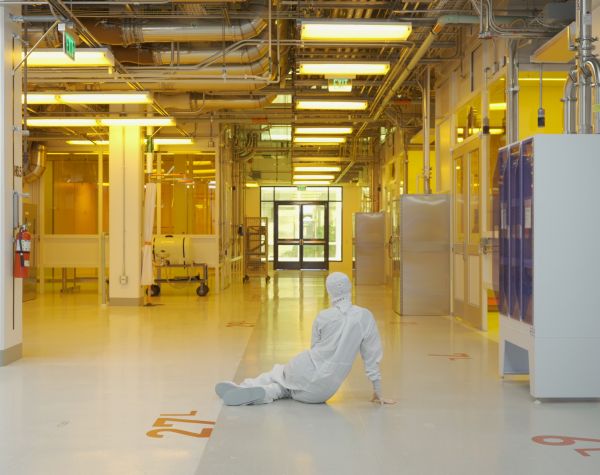
Infinite Replica
Binarity under the microscope: curiosity permeates a nanotechnology laboratory, yet a non-binary body is forbidden to pose nude. With the matter-of-fact tone of a scientific explanation, the essay moves from a drawing of the body exposed to the coldness of the laboratory to instructive visualisations, delving into particles of organic and synthetic matter. Through these shifts in representation, the body becomes both a mirror of technical processes and an object where the inquiring gaze encounters the rules governing visibility. “And in the end, whatever I want to express will not be easily contained within words.” — Kwan Q Li Source: Oui.Gallery.
director: Kwan Q Li
original title: Infinite Replica
country: United States, Hong Kong
year: 2026
running time: 18 min.
Jabberwocky
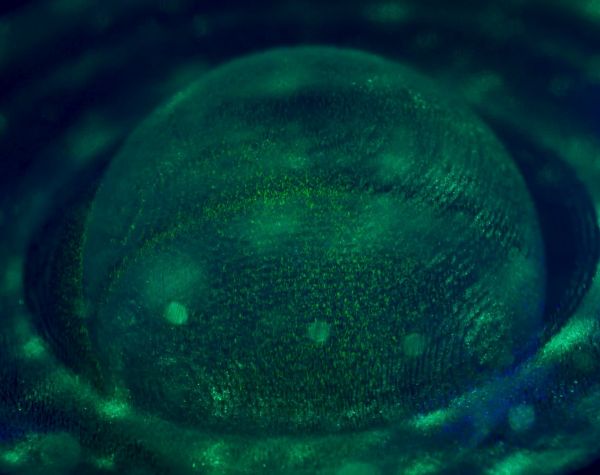
Extreme close-ups of vibrating matter rewrite portraits of the filmmaker’s children as traces of light. A method of abstract documentary brings the family into presence through faces that give way to movement and surface. In a composition drawn from a nonsense poem by Lewis Carroll, the intimately familiar rearranges itself into an apparition in which the father gradually recognises his own features. “It’s exactly in this uncertainty of experiment that I found a deep passion for film art.” — Damir Čučić Source: Cineuropa.
director: Damir Čučić
original title: Jabberwocky
country: Croatia
year: 2026
running time: 15 min.
Memory Hole
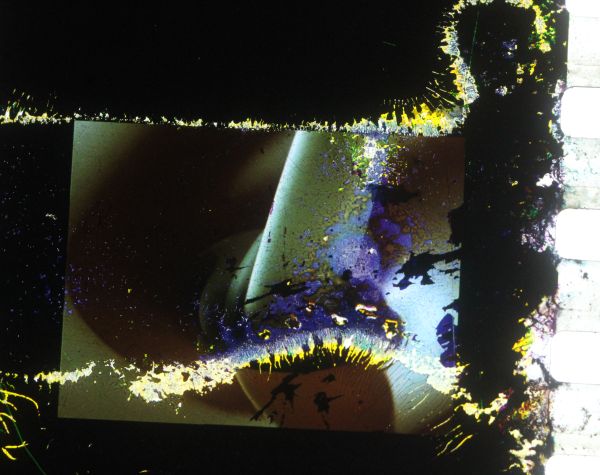
35mm propaganda and advertising films and Hungarian political publications lay buried in the earth. Once exhumed, space voyages, chocolate Santas and reports on Putin meet in fleeting flashes amid the ebb and flow of stains, fissures and blooms of colour. The decomposition of matter, media manipulations and data forms the basis of this abstract reading of Orwell’s novel 1984. “In the walls of the cubicle there were three orifices. To the right of the speakwrite, a small pneumatic tube for written messages, to the left, a larger one for newspapers; and in the side wall, within easy reach of Winston’s arm, a large oblong slit protected by a wire grating. This last was for the disposal of waste paper. Similar slits existed in thousands or tens of thousands throughout the building, not only in every room but at short intervals in every corridor. For some reason they were nicknamed memory holes.” — George Orwell, 1984
director: Péter Lichter
original title: Memory Hole
country: Hungary
year: 2026
running time: 5 min.
No landscape ever made me cry.
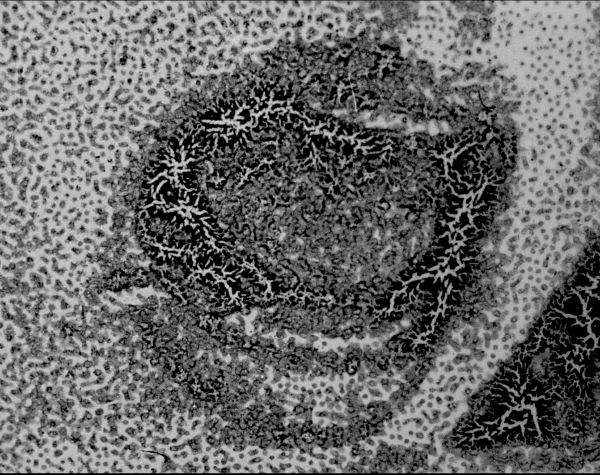
Paper fibres, the contours of letters and the grain of celluloid compose a silent meditation on weeping. The rhythm of textual fragments on 16mm film measures the distance between emotional exposure and the need for shelter. Words take on a bodily presence but lose their hold over what is conveyed: in the silence, a space for tears begins to tremble. “When I went back and read it, it seemed too revealing, so I dismantled the text and turned it into fragments.” — Sujin Lee Source
director: Sujin Lee
original title: No landscape ever made me cry.
country: Republic of Korea (South Korea)
year: 2025
running time: 5 min.
On the Peaks of All the Beech Mountains
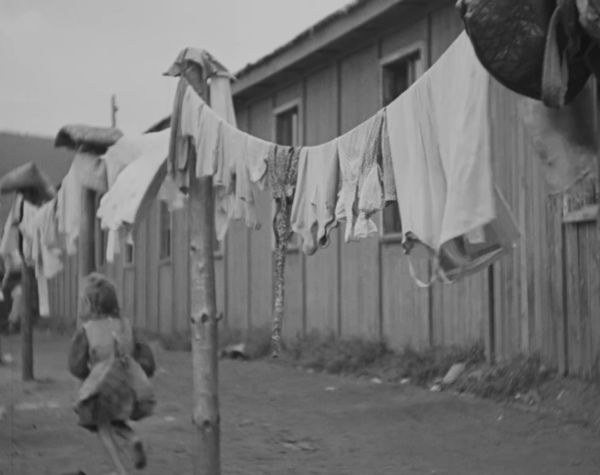
A poetic experimental film about memory, violence and the heavy legacy of post-war ethnic cleansing in Czechoslovakia returns to the area surrounding Buková Mountain in the Broumov region, where women, children and the elderly were murdered or beaten to death in 1945. Through animation, archive footage and observational shots, it explores how the trauma of ethnic violence persists both in people and in the landscape. “There are places where mistakes were made. The war ended, and the tables were turned. Those who had been at the bottom quickly gained the upper hand; pleas for mercy went unheeded; retribution took precedence over everything else.” Source: etc. galerie
director: Anežka Horová, Klára Trsková
original title: Na vrcholcích všech bukových hor
country: Czech Republic
year: 2026
running time: 8 min.
Panorama Chemours – River Reflections
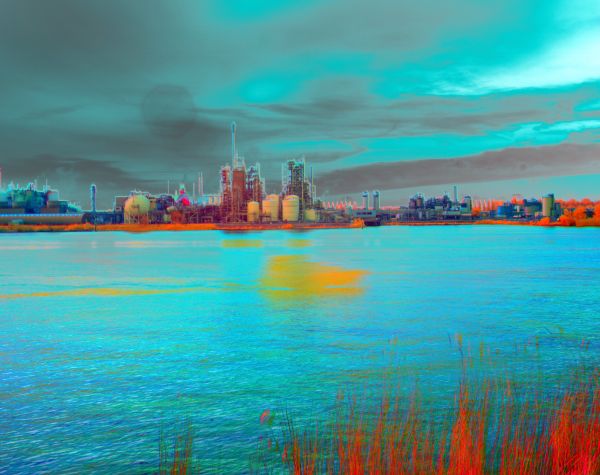
A gently rolling panorama reveals the course of the Merwede River and the Chemours chemical plant in Dordrecht, the Netherlands. The seemingly fluid movement emerges from manually animated photographs, captured partly beyond the visible spectrum and rendered in “false colours”. Vegetation glows orange, even crimson; dazzling flashes pierce the turquoise water – the same palette that satellites use to monitor the health of the landscape. The voice of the river, into which “forever chemicals” have been flowing for decades, is softly echoed by underwater recordings. “Can a river reflect upon itself? Literally, no. Metaphorically, however, the answer is open to interpretation. While developing this project, I read the book The Falling Sky: Words of a Yanomami Shaman, which greatly broadened my cosmo-ecological frame of reference.” — Michiel van Bakel Source
director: Michiel van Bakel
original title: Panorama Chemours - River Reflections
country: Netherlands
year: 2025
running time: 9 min.
River of Days
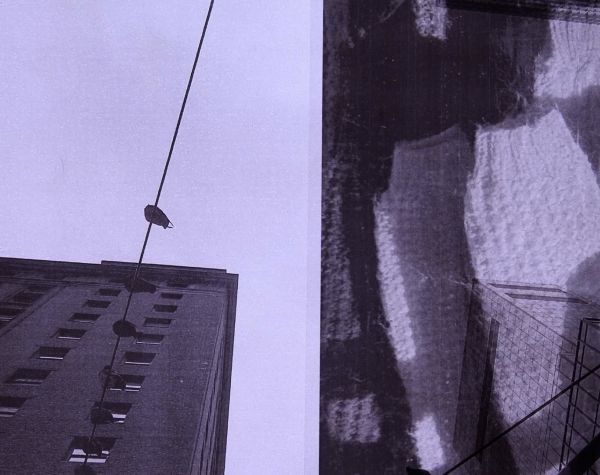
On a light table, people, places and things lend one another their contours. Hundreds of backlit photographs, piled atop one another and interspersed with Super 8 abstractions, loosen their moorings in time: the everyday life of places, objects and people, by turns impassive and bizarre, glimmers through flickering lights and reflections. Days settle into a semblance of flow composed of motionless moments. “I’m a street photographer, I film all the time, I’m never quite sure how it’ll end up.” — Mark StreetSource: Filmmaker Magazine.
director: Mark Street
original title: River of Days
country: United States
year: 2025
running time: 7 min.
Seoul Was
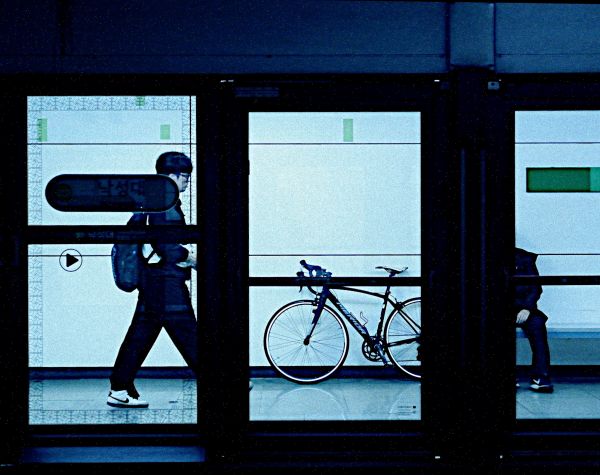
A transformed Seoul fails to coincide with the place held in memory in a composition tending towards abstraction. Between its former and present forms, the city the filmmaker left in 1988 opens a void that the visible cannot fill. The rhythmic rapid montage lets only crumbs of fleeting images of Seoul linger: a metropolitan symphony unfolds into a meditation on the unfamiliarity of familiar places, as intimacy gives way to estrangement. “I push my images of it to the edge of abstraction” — Seoungho Cho Source: Electronic Arts Intermix.
director: Seoungho Cho
original title: Seoul Was
country: Republic of Korea (South Korea)
year: 2026
running time: 9 min.
Spring Song
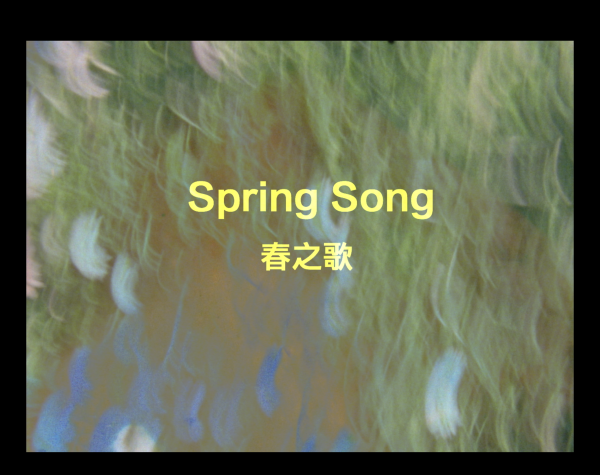
This thematically arranged film herbarium took shape over nine springs in a rooftop garden and a national park. A playful visual symphony in six movements, it journeys from the first daffodils through swirling cherry blossom petals and caterpillar races to the last poppies, rhythmically weaving together positive and negative images, colour variations and plant photograms made directly on Super 8 film. “In my work, I return to the origins of photography through organic materials and by exploring classical photographic techniques in a contemporary context. For me, it is also a way of re-understanding nature in the face of a changing global ecological environment.” — Gao WeiSource
director: Wei Gao
original title: Spring Song
country: France, Republic of Korea (South Korea)
year: 2026
running time: 16 min.
The Lichtenberg Effect
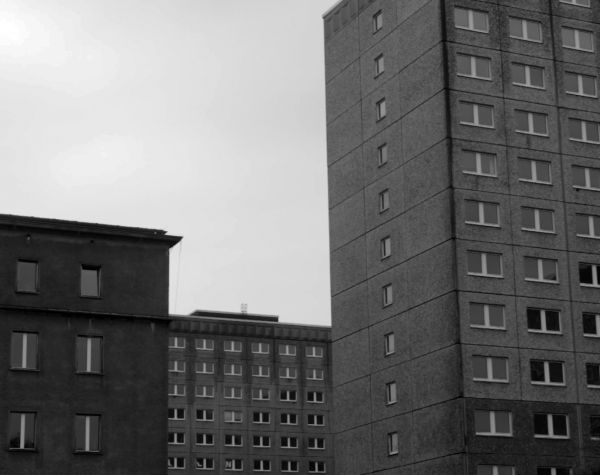
The quiet geometry of 16mm surveillance footage from the Stasi secret police and files from New York’s Red Squad, found in the New York City Municipal Archives, assembles an architecture of surveillance in which observation is honed into a weapon. A detached AI voice guides us through the precision and errors of this targeting: within the analogue dispositives of the previous century, the blueprints of today’s algorithmic control begin to emerge. “I trained a synthetic AI voice engine, “Danny”, to read the historical metadata logs. The resulting machine cadence forces the audience to confront how chilling it feels when intimate human routines are reduced to clinical data points. This project is a forensic look backward to understand the invisible algorithmic cages built around us today.” — Scott Calonico
director: Scott Calonico
original title: The Lichtenberg Effect
country: Germany
year: 2026
running time: 10 min.

The Unknowing of Things
A visual maelstrom condenses documents from the General State Archives of Greece, revealing that meaning unfolds between them. In a stroboscopic animation of thousands of maps, yearbook portraits, official records, photographs and newspaper pages, time contracts and expands, taking shape through rhythm and interventions in the materials themselves. As soon as the flow stops, an agnosia of the gathered things creeps in: the image fades, or a scar appears within it – a mark of absence. “By animating these documents, I wanted to release the small movements hidden inside them: the pressure of handwriting, the erosion of paper, the ghosts of administrative language. Archives preserve, but they also destroy.” — Aristotelis Maragkos
director: Aristotelis Maragkos
original title: Πραγματαγνωσία
country: Greece, United Kingdom
year: 2026
running time: 4 min.