nature
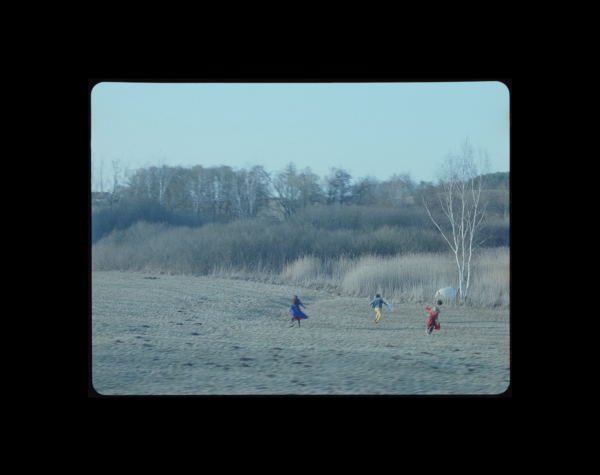
A Way Away
This lyrical introspective work, which straddles the line between fiction and documentary, tells the story of a train travelling through time and across the landscape, from the present to the past, from the reality of a hospital ward to a merciful timelessness bathed in the raw colours of autumn. It is also the story of a woman who, in a silence underscored by a sense of impending tragedy, is fleeing somewhere from something, inwards and outwards, back and forth. “Although my films deal with serious subjects, I also want them to have light.” — Ema Hůlková, mujRozhlas
director: Ema Hůlková
original title: Vlak do oblak
country: Czech Republic
year: 2026
running time: 8 min.
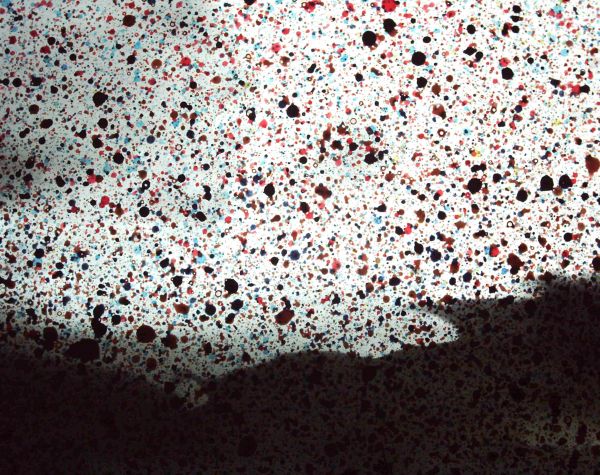
Ad Infinitum
Vegetation and minerals send the gaze branching into structures where the forest meets its digital and cinematic reflections. A plunge into detail explores both nature and the possibilities of its representation: each closer view opens up another space. An ardent declaration of love for matter that transcends its depictions and returns knowledge to wonder. “‘If something interesting is happening, I possibly decide to shoot in the opposite direction’ [say Seppo Renvall], and often he finds something more subtle, more telling than the spectacle ahead. His sympathy goes to the little things in life, or maybe I should say: empathy.” — Klaus W. Eisenlohr Source: Directors Lounge: Seppo Renvall — Times, Songs and Material.
director: Seppo Renvall
original title: Ad Infinitum
country: Finland
year: 2026
running time: 11 min.
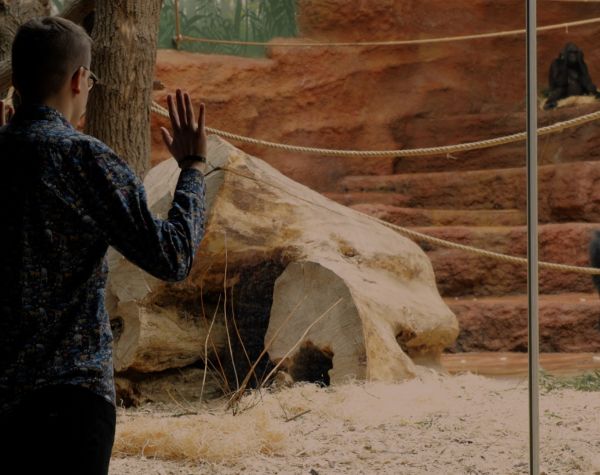
Amma, Do Giraffes Cry?
Indian director Kartikeya Saxena walks through Prague Zoo with his camera, sharing his impressions over the phone with his mother – a zoologist. The transcontinental conversation touches on the human tendency to project one’s own feelings and memories onto animals. However, the son’s poetic enchantment and his conviction that he has seen tears in the eyes of a baby giraffe clash with his mother’s scientific rationalism. This perceptive interspecies essay transforms the pavilions housing hippos, anacondas and gorillas into a theatrical stage upon which a quiet drama unfolds about overcoming barriers – between son and mother, and between the human and more-than-human.“Giraffes don't have tear ducts. I don't know what you saw.”
director: Kartikeya Saxena
original title: Amma, pláčou žirafy?
country: Czech Republic
year: 2026
running time: 26 min.
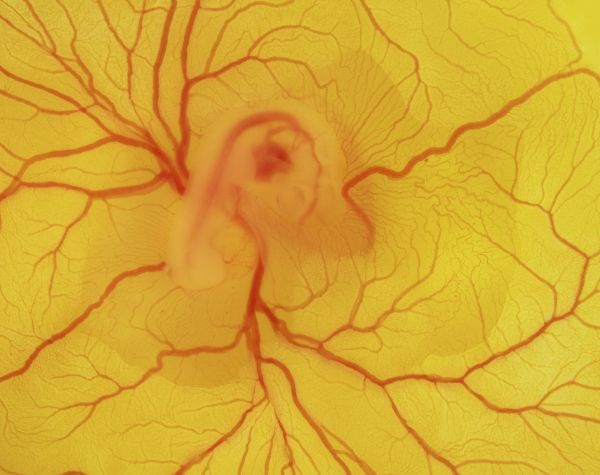
Becoming Bird
This time-lapse documentary condenses the entire 21-day development of a chicken – from fertilised egg to the hatching of the chick – into a nine-minute film. In microscopic detail and in full colour, we observe the early stages of life within the fragile shell, which so often cracks prematurely at the hands of humans seeking to satisfy their base appetites. “What is particularly interesting I think, is that the basics of embryonic development are the same for all animals, including us. I think the way we develop is a true miracle.” — Jan van IJken Source: Colossal
director: Jan van IJken
original title: Becoming Bird
country: Netherlands
year: 2026
running time: 9 min.
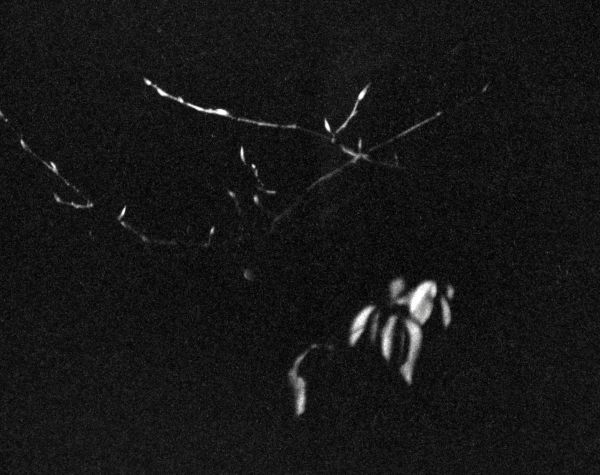
Girl, Show Your Pale Face
This delicately shimmering nocturnal impression treads the line between the abstract and the concrete. Through light and shadow, it explores new facets of branches, trunks and elusive folk traditions. Female choral singing from the past meets the technologies of the modern world and transforms into an ambient soundscape.
director: Kristína Zubáková
original title: Ukáž ďiovča svoju bľadú tvár
country: Czech Republic
year: 2026
running time: 5 min.
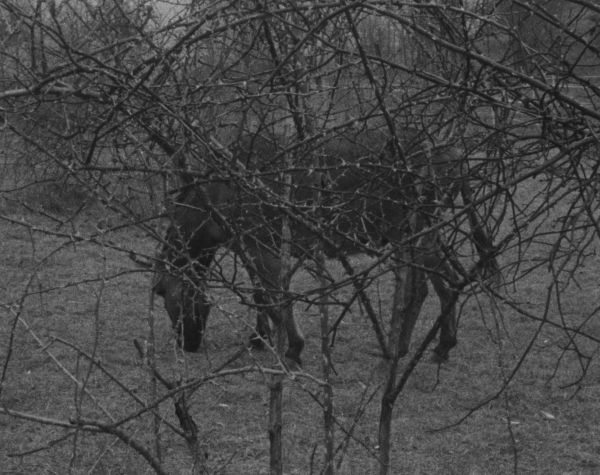
graze, burn, restore
The landscape is diverse, omnipresent, deserted. A documentary report on nature conservationists returning to pastoralism. In the film, I followed their practices for nurturing biodiversity, as well as the reciprocal relationship between people and the landscape they inhabit.
director: Aneta Skalická
original title: spást, spálit, obnovit
country: Czech Republic
year: 2026
running time: 6 min.
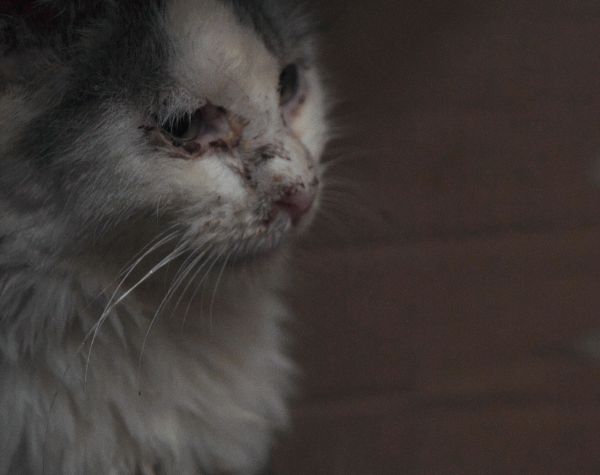
living
A short documentary set in a chicken slaughterhouse, where, amidst the filth, stench, decaying remains of animal carcasses and swarms of insects, a cat and her kittens manage to survive. In a place so deeply marked by human indifference to the death of other creatures, they paradoxically provide at least a hint of the unyielding desire to play, explore, or simply to live. “I strive for a naturalistic style in which viewers become immediate, situational observers.” — Eric M. WeglehnerSource: The Gap
director: Eric M. Weglehner
original title: vivre
country: Austria, Germany, Morocco
year: 2026
running time: 13 min.
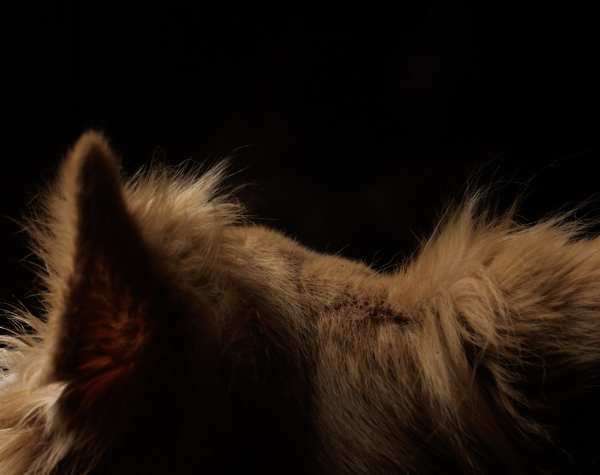
Mutar
An old dog and a person relive their bond, shaped by time, between imagined memories of a mountain childhood and the present in a small apartment. In a silent dialogue without voice, human and animal memories intertwine. The film is part of DELTA | Emerging Italian Filmmakers Across Europe: A Project by Bellaria Film Festival.
director: Maria Elena Franceschini
original title: Mutar
country: Italy
year: 2025
running time: 10 min.
Outside/Inside
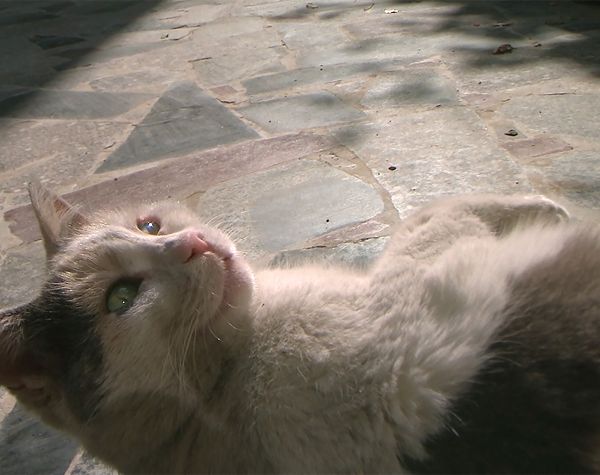
For seven years, the director follows the life of Ceci, a stray cat that gradually settles into his home without ever completely leaving the world of the streets. Their ever-changing relationship forms the backbone of this time-lapse narrative, into which other cats and fragments of the director’s life are woven: unfinished film projects, relationships with neighbours, his deteriorating health, and events unfolding in the city and across the country. Dialogue is almost entirely absent, and the director’s personal memories and reflections appear only in the captions, alongside information about the cats and the history of their coexistence with humans. The film thus consistently shifts the focus from humans to its non-human protagonists, viewing everyday life primarily through their eyes. Detailed observations of Ceci and other stray cats alternate with melancholic views of the city, capturing their own relationships, habits and methods of survival. This intimate chronicle of an unusual friendship simultaneously records the passage of time and the transformations of a human life, which becomes ever more closely intertwined with that of the cat. “The presence of the cat is central, but not as a character in a narrative sense. Rather, she becomes a point of departure, a way to move away from a human-centred perspective, without replacing it with another fixed position.” — Maani Petgar
director: Maani Petgar
original title: Biroun/Daroun
country: Iran
year: 2026
running time: 108 min.
The Forest Code
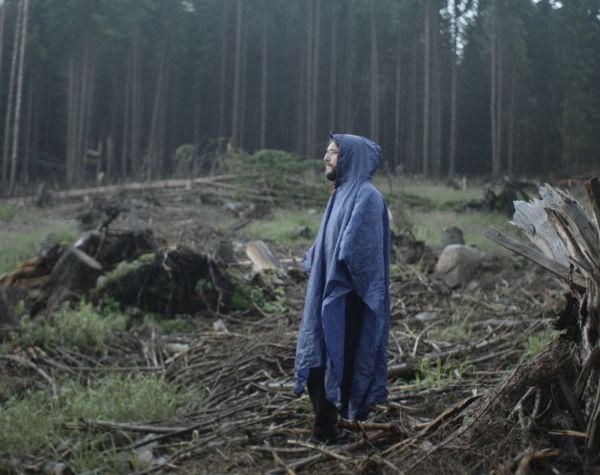
Forests and fungi communicate just as people do. In this reflective documentary built around unfolding situations, the slopes above Val di Fiemme in the Italian Dolomites become the epicentre of a visionary experiment mapping communication between trees and other forest beings. Organic signals from trees, shrubs, animals and fungi offer the ecologists, foresters and scientists working there an opportunity both to study the behaviour of biological ecosystems and to save a damaged forest. After several years of devastation caused by nature (Storm Vaia) and human activity (bark beetle infestations resulting from drought), the film’s participants propose a systemic solution: we can save the trees and their unique ecosystem by understanding their language.“Nine years a meadow, nine years a forest, then comes the promised time, when what once was shall be again.”
director: Alessandro Bernard, Paolo Ceretto
original title: Il codice del bosco
country: Italy
year: 2025
running time: 93 min.
The Rules of the Flyswatter
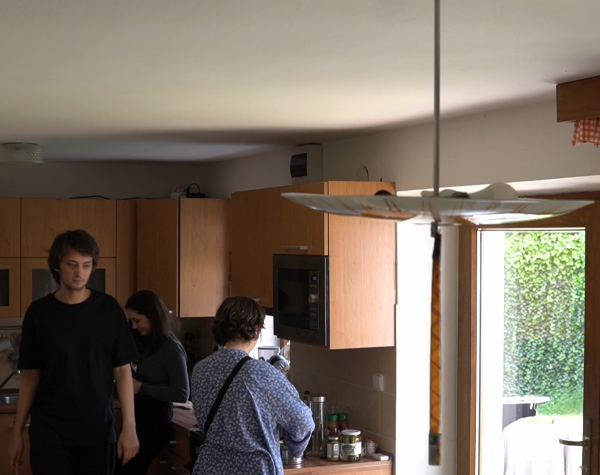
In the kitchen that the author regularly “cleaned” of flies as a child, a multigenerational family conversation unfolds about the value of insect lives and the circumstances under which killing them is acceptable. What can we do when something trivial becomes a matter of life and death for someone?
director: Šimon Gogola
original title: Pravidla plácačky
country: Czech Republic
year: 2026
running time: 6 min.