Into History
The selection of films reflects both the history of cinema across genres and the history within cinema across the world.
Aimless Walk
director: Alexander Hackenschmied
original title: Bezúčelná procházka
country: Czechoslovakia
year: 1930
running time: 8 min.
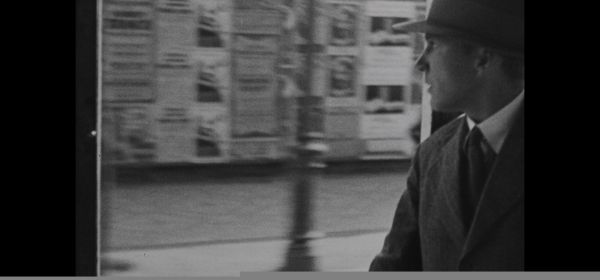
In his first feature film, Alexander Hackenschmied used a subjective camera to evoke a modernist dilemma: the celebration of the big city and social criticism. The protagonist, who is to some extent Hackenschmied’s alter ego, travels by tram from the city centre to its outskirts. The hustle and bustle of traffic gives way to the shabbiness of the suburbs, and the protagonist remains torn between the two worlds.
Atom of Eternity
director: Čeněk Zahradníček, Vladimír Šmejkal
original title: Atom věčnosti
country: Czechoslovakia
year: 1934
running time: 6 min.
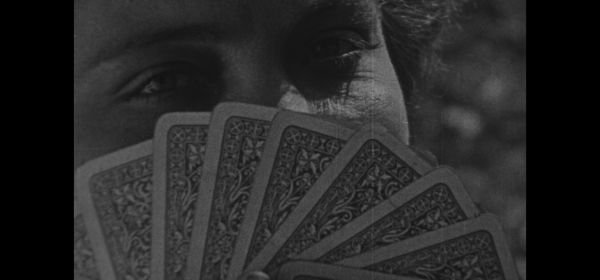
The film depicts a story of erotic passion through symbolic imagery strongly influenced by the interwar avant-garde. Vladimír Šmejkal and Čeněk Zahradníček employed avant-garde techniques almost to the letter in their films. The work won several awards at international amateur film competitions in Barcelona, Budapest and Vienna.
Blues for a Cat
director: Miroslav Čapek
original title: Blues pro kocoura
year: 1983
running time: 10 min.
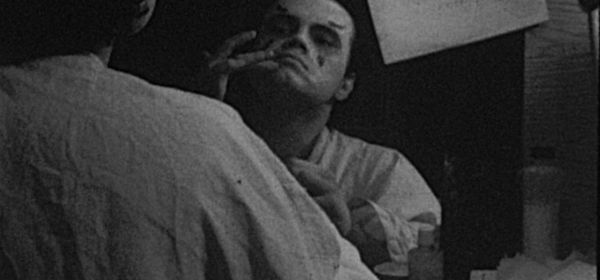
An adaptation of Boris Vian’s short story Blues for a Black Cat, set against the backdrop of Pilsen’s suburbs in the grey days of the 1980s. The film transports the fantastical characters, who represent the decadent Parisian elite, into the grotesque world of normalisation and intellectual circles in local pubs.
Detective Story
director: Miroslav Čapek
original title: Detektivka
country: Czechoslovakia
year: 1983
running time: 6 min.
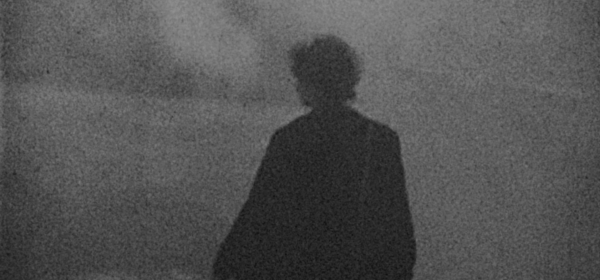
In this genre parody, the murder of Milan Kohout with a May Day flag is unsuccessfully investigated by a socialist reincarnation of Detective Pinkerton. He also embodies the comical figure of a local communist secret police officer. The film was made at a time when Milan Kohout was under surveillance by the Pilsen police.
Hands on Tuesday
director: Čeněk Zahradníček, Vladimír Šmejkal
original title: Ruce v úterý
country: Czechoslovakia
year: 1935
running time: 12 min.
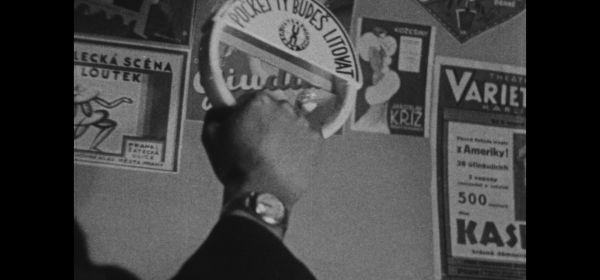
The film Hands on Tuesday can be classified as an “urban symphony”, a genre that celebrates the hustle and bustle of modern city life. The filmmakers, in a film that contains not a single shot of a human face, focused all their attention on the narrative possibilities offered by cinematic detail, editing and visual collage.
May
director: Čeněk Zahradníček, E. F. Burian
original title: Máj
country: Czechoslovakia
year: 1936
running time: 10 min.
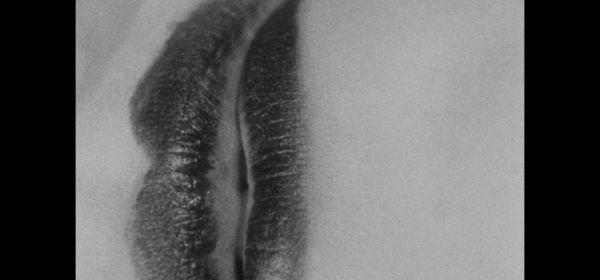
The multimedia production May (1935–1936) by theatre director E. F. Burian was based on the complex avant-garde concept of the D 34 synthetic theatre, which featured the legendary “voice-band” technique and incorporated film projections. These stage films, shot in 1935 by Jiří Lehovec for the first season and a year later by Čeněk Zahradníček, are examples of the use of surrealist formalism by the Czech interwar avant-garde. Whilst only fragments of Lehovec’s material have survived, Zahradníček re-edited his version in 1976 into a short avant-garde film.
Monastery
director: Jiří Dvorský
original title: Klášter
country: Czechoslovakia
year: 1985
running time: 4 min.
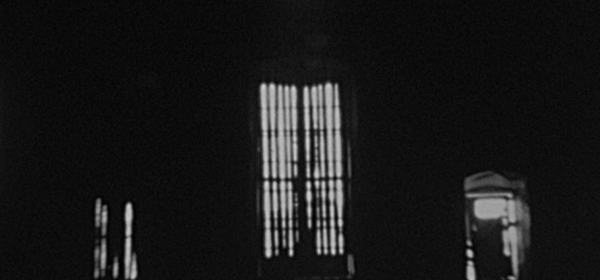
In the form of a visual poem, Monastery captures the decay of the abandoned Augustinian Church of the Annunciation of the Virgin Mary in the village of Klášter in the Domažlice region. In the 1980s, it was well received at amateur film festivals as a testament to the neglect and deterioration of historical monuments.
My Country
director: Jiří Dvorský
original title: Má vlast
country: Czechoslovakia
year: 1983
running time: 11 min.
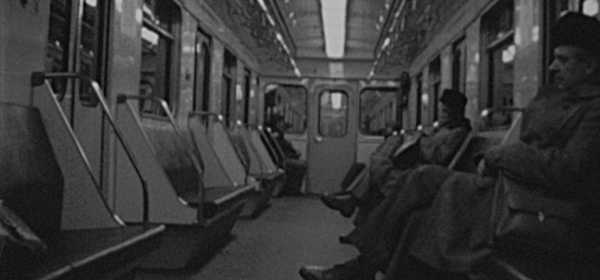
The city’s newly erected brutalist buildings stand in stark contrast to its crumbling historic monuments. Dvorský’s film is one of a number of critical cinematic experiments – an Eastern Koyaanisqatsi – which, throughout the 1980s, addressed the deteriorating state of urban planning and the environment in the Eastern Bloc.
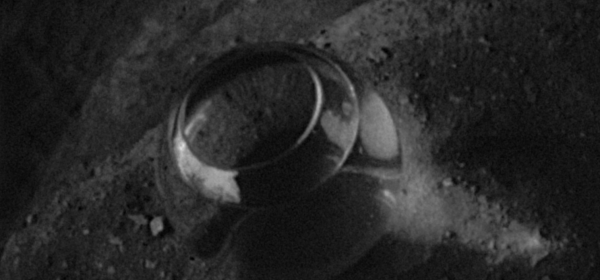
Philosophical Slaughterhouse under the Bridge
director: Milan Kohout
original title: Podmostní filosofická jatka
country: Czechoslovakia
year: 1985
running time: 12 min.
The film was made at a time when Milan Kohout was studying philosophy through underground lectures organised by the Prague dissident movement and reading Egon Bondy’s samizdat writings. The “Slaughterhouse” was conceived as a personal reflection on the impossibility of knowledge and the conflict between inner experience and the elusiveness of a philosophical view of the world.
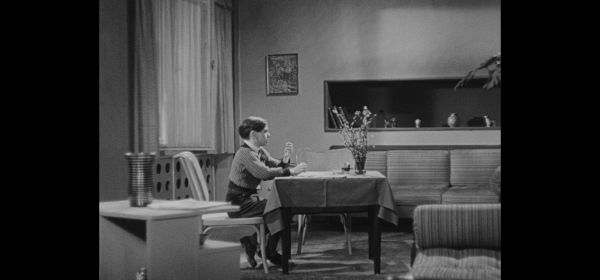
School Assignment
director: Alexander Hackenschmied, Elmar Klos
original title: Školní úkol
country: Czechoslovakia
year: 1935
running time: 3 min.
The promotional film School Assignment was shot at the Baťa factories’ film studios in Zlín by director Elmar Klos and cinematographer Alexander Hackenschmied. Two language versions – Czech and German – were produced at the time, both featuring the same humorous script but with different casts. Both versions have been preserved in the National Film Archive.
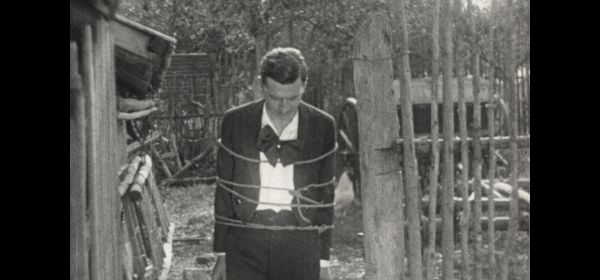
Soldier’s Story
director: Čeněk Zahradníček, Vladimír Šmejkal
original title: Příběh vojáka
country: Czechoslovakia
year: 1935
running time: 8 min.
The film Soldier’s Story depicts fears of mobilisation whilst the echoes of the traumas of the First World War still linger. Thanks to skilful editing, the images of gunfire, air raids and screaming people also evoke a sense of sound, even though the film was shot as a silent film.
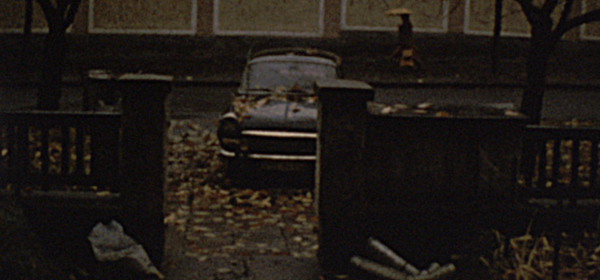
The Cake
director: Jiří Dvorský
original title: Koláč
country: Czechoslovakia
year: 1985
running time: 15 min.
Dvorský made this free-form film, reminiscent of the lyrical films of the post-war avant-garde, as a poem brimming with visual experiments with the shapes, colours and textures of the urban landscape, against a backdrop of the changing seasons throughout the year.
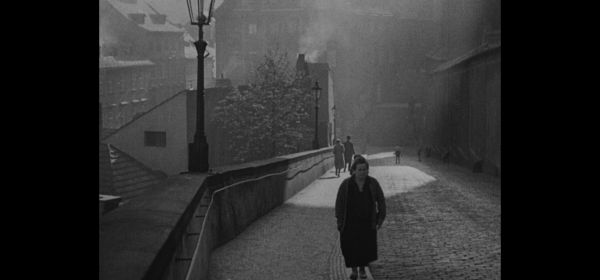
The Prague Castle
director: Alexander Hackenschmied
original title: Na Pražském hradě
country: Czechoslovakia
year: 1931
running time: 11 min.
Alexander Hackenschmied conceived this cinematic portrait of Prague Castle not only as a celebration of the emancipated seat of Czechoslovak statehood and history, but also focused on it as a remarkable architectural complex. The dynamic shots are organically interwoven with experimental music composed specifically for this film by composer František Bartoš.
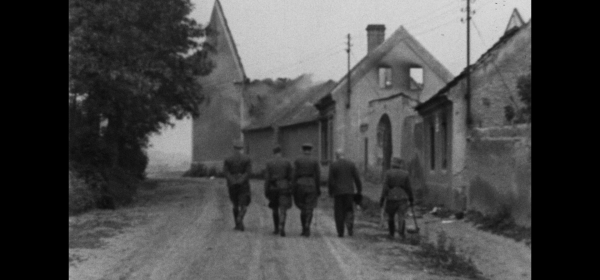
The Trial of K. H. Frank: A Czech-Style Reckoning with Nazism
director:
original title: Proces s K. H. Frankem: zúčtování s nacismem po česku
country: Czechoslovakia
running time: 105 min.
This programme, featuring archive radio recordings and films with commentary, explores the media coverage of the most closely followed Czech retribution trial. The year 1946 in the Czech lands was marked by efforts to come to terms with Nazi crimes. From March to May, the trial of the “executioner of the Czech nation”, former Minister of State K. H. Frank, took place in a courtroom in Prague’s Pankrác prison; thanks to the radio, the public followed it live, day after day. Filmmakers also documented the process of holding Frank accountable in their own way. Tomáš Dufka (Czech Radio Archive) and Terezie Hlaváčková (National Film Archive) will guide us through a selection of archival footage.
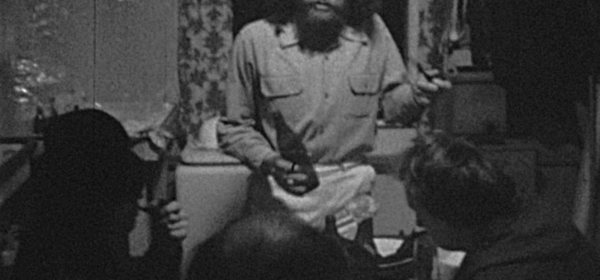
Titanic
director: Milan Kohout, Miroslav Čapek
original title: Titaniku zkáza
year: 1982
running time: 6 min.
A wild party is taking place on board the sinking ship of late socialism, dominated by a fiery political speech by Milan Kohout. At times, the film shifts from dramatic scenes to a television programme about the importance of water. As time goes on, events spiral out of control and the chaos intensifies as catastrophe looms.
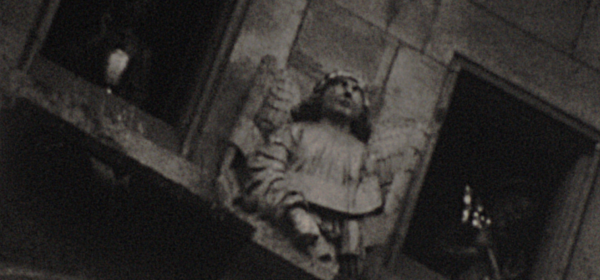
We Must Hurry to Arrive on Time
director: Miroslav Čapek
original title: Musíme spěchat, abychom dorazili včas
country: Czechoslovakia
year: 1986
running time: 5 min.
This satirical film, which explores the theme of human haste, straddles the line between documentary and fiction. It captures the hectic atmosphere of the city through a series of visual metaphors, as well as visual experiments with film footage.
Wedding Gift
director: Milan Kohout
original title: Svatební dar
year: 1983
running time: 4 min.
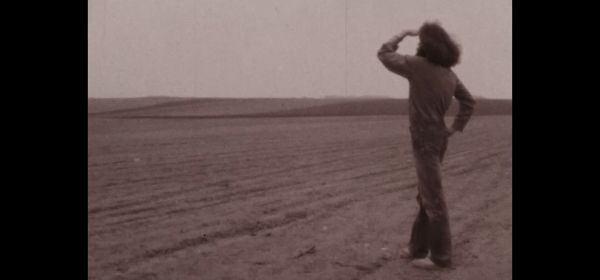
Kohout conceived his gift for Jiří Dvorský’s wedding as a caricature of a bachelor entering the yoke of marital duties. This parodic commentary, written in the style of 19th-century poetry, plays on the contrast between the high and the low, the sublime and the mundane, against the backdrop of a stereotypical socialist family.