Special Event
Exceptional cinema events that offer a unique and profound perspective on the complexities of human experience.
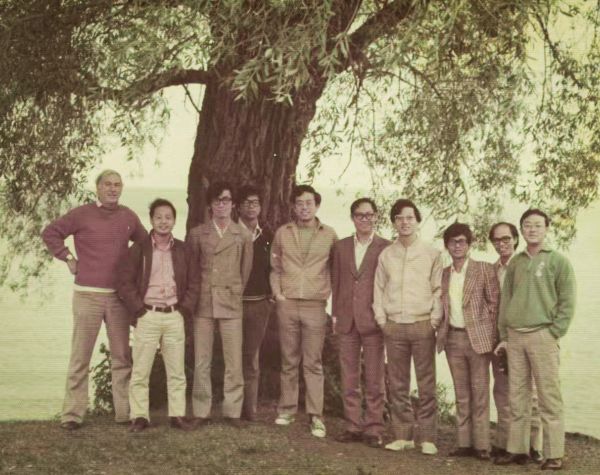
A Chip Odyssey
A Chip Odyssey features interviews with over 80 key figures who witnessed and shaped the development of the semiconductor industry — from the first generation of engineers and female factory workers, to policymakers and technology veterans, and today’s young engineers facing new crossroads. This feature-length documentary chronicles how Taiwan built its semiconductor industry from scratch and transformed it into a global technological force, capturing a vital and transformative chapter in the island’s modern history.
director: Hsiao Chu-Chen
original title: 造山者-世紀的賭注
country: Taiwan
year: 2026
running time: 106 min.
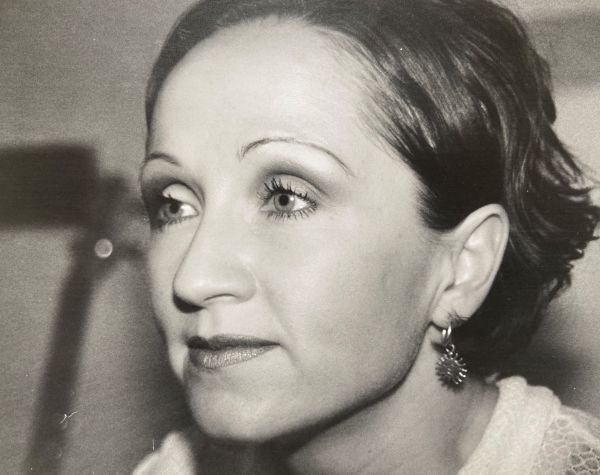
Bára - Diary of a Rockstar
This three-part version of the time-lapse documentary of the same name follows the singer Bára Basiková through five decades of her life and the history of Czech pop music. It captures her musical beginnings in the bands Stromboli and Precedens, her failed marriages, and her gruelling struggle to balance raising her children with her career. A combination of archive footage, home videos, concert performances and everyday observations provides a sober account of personal failures, successes and ageing under the public eye. Thanks to the protagonist’s openness, this portrait of a pop star evolves into a more general reflection on loneliness, vulnerability and the eternal search for a stable anchor in a changing world.Each of the three episodes in this series runs for 47 minutes.“From the outset, I defined it as a film about a woman and a mother who also happens to be a singer.” — Helena Třeštíková, dok.revue.
director: Helena Třeštíková
original title: Bára Basiková
country: Czech Republic
year: 2026
running time: 141 min.
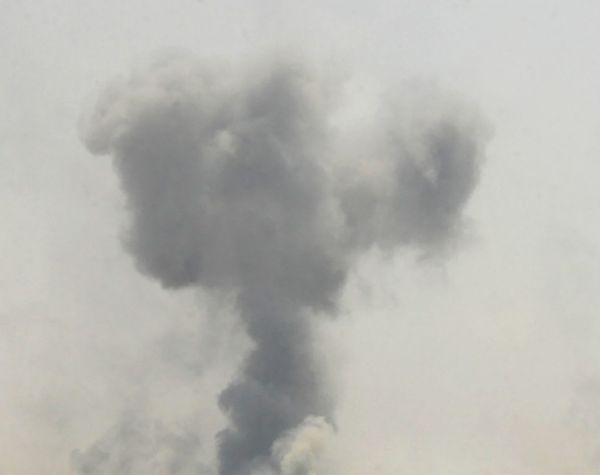
Cloud Studies
Cloud Studies is an iterative essay film developed by the Forensic Architecture team. It speaks to various forms of airborne violence across multiple scales, territories, and timelines. Using different methodologies, it maps the use of white phosphorus in urban environments, herbicidal warfare, or the consequences of petrochemical emissions.
“Clouds are always double. Seen from the outside, they are measurable objects, approximated by mathematical calculations. Seen from within, they are experiential conditions of optical blur in atmospheric obscurity.”
Image: ©️ Forensic Architecture
director: Forensic Architecture
original title: Cloud Studies
country: United Kingdom
year: 2022
running time: 33 min.
Every Contact Leaves a Trace
According to the principle established by Edmond Locard, a pioneer of forensic science, every physical touch leaves some kind of trace. Visual artist Lynne Sachs has applied this principle to her own life. More specifically, to a box containing some six hundred business cards which she has collected over the course of four decades. Seven of them serve as her ticket back to the past. The artist reaches out to her former acquaintances, searches for traces of DNA and uncovers new connections between her memories. Where direct contact is lacking, staging and imagination take over. This introspective detective story uses tiny paper relics to piece together a multi-layered mosaic of both private and geopolitical histories.“Now in this virtual era, being in the same space with others happens less and less. Chance meetings become distinct and revealing punctums, each physical interaction an encounter that pricks.” — Lynne Sachs Source: Every Contact Leaves a Trace | Lynne Sachs: experimental documentary filmmaker
director: Lynne Sachs
original title: Every Contact Leaves a Trace
country: United States
year: 2025
running time: 83 min.
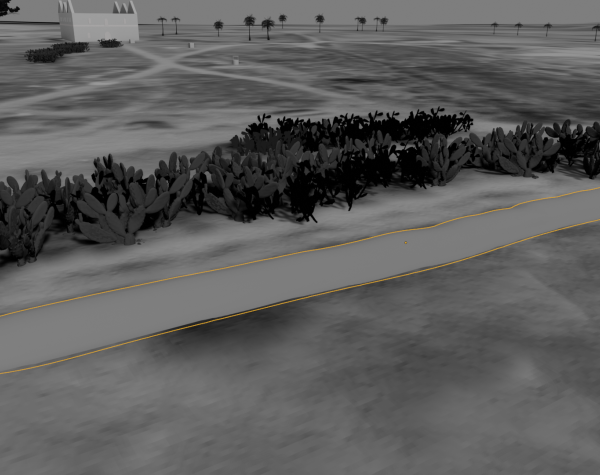
Executions and Mass Graves in Tantura, 23 May 1948
In May 1948, Israeli forces occupied the Palestinian village of Tantura, where civilians and disarmed fighters were massacred and buried in mass graves. Combining survivors’ testimonies with archival photographs, aerial imagery, historical maps and 3D modelling, Forensic Architecture reconstructs the events and identifies previously unmarked burial sites. The investigation reveals how traces of violence persist in the landscape, even as the village itself has been erased.
Image: ©️ Forensic Architecture
director: Forensic Architecture
original title: Executions and Mass Graves in Tantura, 23 May 1948
country: United Kingdom, Palestine
year: 2023
running time: 17 min.
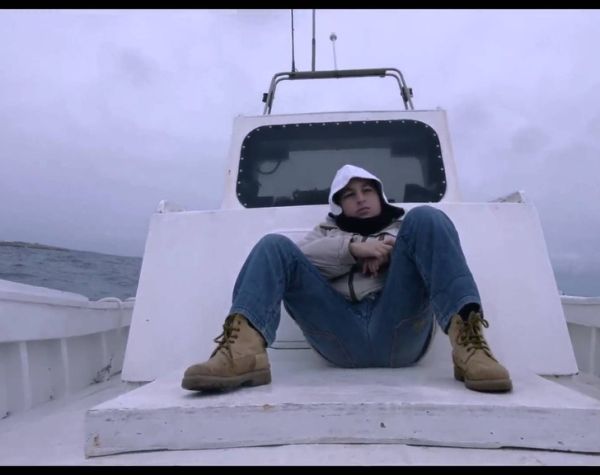
Fire at Sea
Twelve-year-old Samuel lives on Lampedusa, which has become the destination of thousands of Africans trying to reach Europe. Although the island’s inhabitants are exposed to the raw reality of the humanitarian crisis on a daily basis, the two worlds only rarely come into contact. The film won the Golden Bear for Best Film at Berlinale 2015.The screening of the film is held in cooperation with the Office of European Parliament in Prague on the occassion of 20th anniversary of LUX Audience Award, which this film was a finalist in 2016.
director: Gianfranco Rosi
original title: Fuocoammare
country: Italy, France
year: 2015
running time: 108 min.
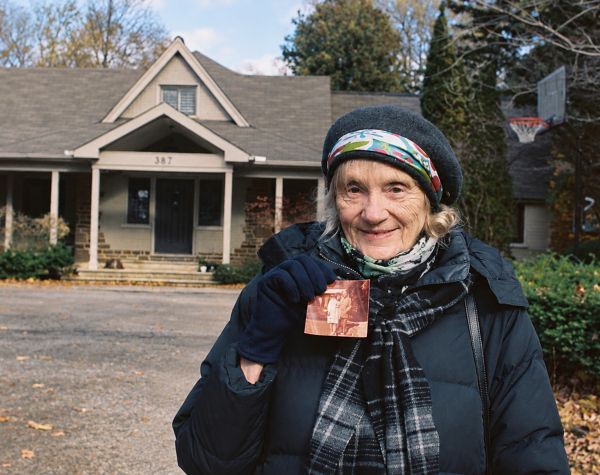
Hidden Quarter Tone
How do a long-suppressed past and the loss of one’s original family leave their mark on the memories and lives of subsequent generations? The legacy of Karel Ančerl, the legendary chief conductor of the Czech Philharmonic, serves as the starting point in Saša Dlouhý’s documentary for an exploration of the roots of transgenerational trauma. The film follows Ančerl’s granddaughter, Maximiliane, as she reconstructs her grandfather’s turbulent life story through period film footage, family photographs and interviews with eyewitnesses. Alongside his international successes, it also reveals his traumatic experiences in Terezín and Auschwitz, and his emigration to Canada following the Communist coup in Czechoslovakia. “He had that piece, he was part of it, he was living it, but he knew exactly what he had to do and how to do it.”
director: Adam Oľha, Saša Dlouhý
original title: Skrytý čtvrttón
country: Czech Republic, Slovakia
year: 2026
running time: 88 min.
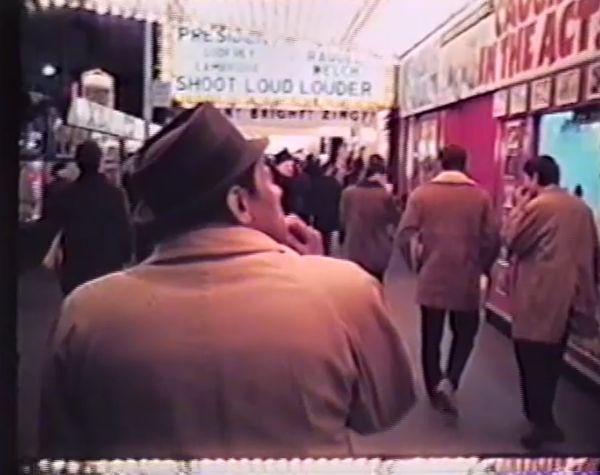
How to Write, an AI Guide in Four Steps
In a future without imagination, storytelling means recycling the past. A vintage tutorial, narrated by an AI, guides creators in combining fragments of old narratives, revealing that creation is construction, not invention. The film is part of DELTA | Emerging Italian Filmmakers Across Europe: A Project by Bellaria Film Festival.
director: Nicola Eddy
original title: How to Write, an AI Guide in Four Steps
country: Italy
year: 2025
running time: 8 min.
Ji.hlava30: Thinking Through Film
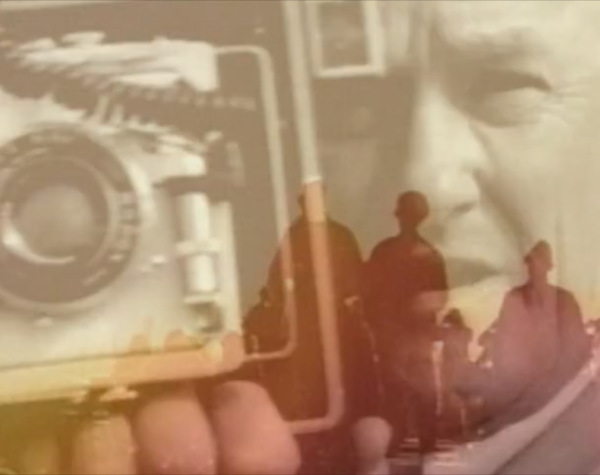
What happens and what comes to light between the world, the camera, and the audience? Composed from materials from the festival series Minutes from Jihlava to the Mind, recordings of masterclasses, and interviews, this compilation film brings together reflections by filmmakers at Ji.hlava IDFF on how meaning emerges, what cinematic representation does to reality, and how rhythm, editing, sound, and creative choices transform our perception of the represented reality. Authorial perspectives and methods, together with questions about the nature of documentary, unfold into a reflection on film as a way of knowing and as a space for doubt, for discovering connections, and for rethinking both the world and our own way of seeing it.
“The question of documentary film is not whether it offers a faithful representation of reality. The question is what movements of thought it makes possible.” — from the film’s commentary
director: Andrea Slováková
original title: Ji.hlava30: Myslet filmem
running time: 50 min.
Let's Pretend
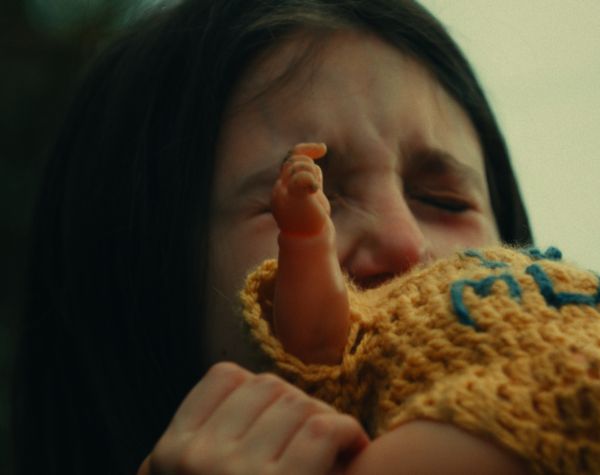
The grown-ups are not there. The children play, they act. The script they stage, by way of imitation, is the world that is raising them. It is a frightening, cruel world: it’s us. But they are only pretending. The film is part of DELTA | Emerging Italian Filmmakers Across Europe: A Project by Bellaria Film Festival.
director: Diego Fossati
original title: Per finta
country: Italy
year: 2025
running time: 17 min.
Lose Voice Toolkit
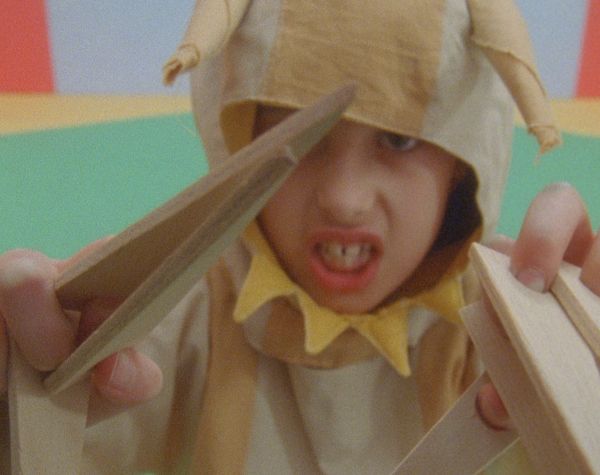
In an undefinable place and time we see a group of children who don’t use words anymore. They might have lost them due to powerful voice-stealing magnets, or dissolved by lose-voice candies. The words seem to be lost, forgotten somewhere. So, they start to transform and develop a new system of communicating made of aerial forms, sharp gazes or shared thoughts. Looking at them, one would think that they would speak with their noses, their elbows, their pupils. The film is part of DELTA | Emerging Italian Filmmakers Across Europe: A Project by Bellaria Film Festival.
director: Adele Dipasquale
original title: Lose Voice Toolkit
country: Italy, Netherlands
year: 2024
running time: 18 min.
MUCHA: IT'S FUCKED UP IN MY HEAD
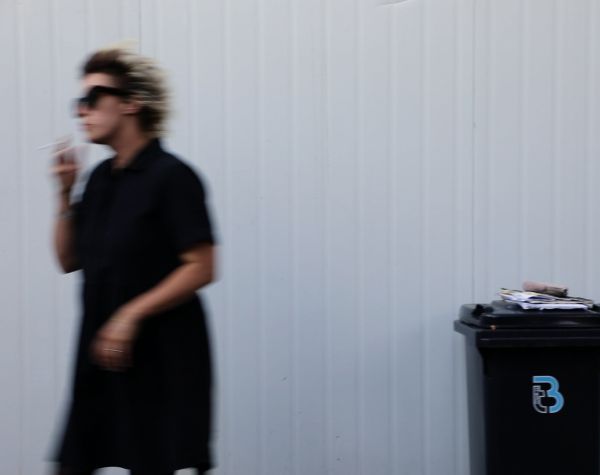
Nikola Mucha plays, cares, bitches and sometimes just can’t go on. Markéta Sehnalová spent six years by her side. She portrays the singer-songwriter, who turns frustration into self-mocking femipunk songs about relationships, female rage and everyday fuck-ups, also as an exhausted mother. The restless camera takes us from concerts into the backstage world, where bravado gives way to doubts about whether you can be a good parent and still want something for yourself. With the same fierce energy as in Mucha’s live shows, this fragmentary portrait wastes no time on explanations or sentimentality, letting anger, laughs and moments when there is nothing to celebrate exist side by side.“For six years, Markéta Riky Sehnalová chased me around with a camera, hustled on our stages, let me yell at her, drove my arse around, babysat the babies, clocked up thousands of kilometres and, above all, had to keep convincing me it would turn out alright.” — Nikola Mucha
director: Markéta Sehnalová
original title: MUCHA: MRDÁ MI V HLAVĚ
country: Czech Republic
year: 2026
running time: 89 min.
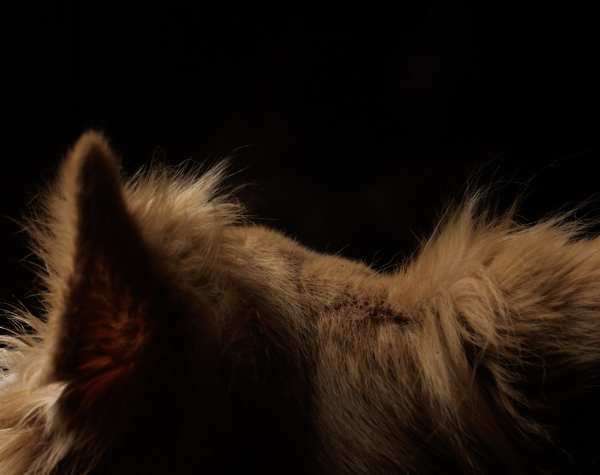
Mutar
An old dog and a person relive their bond, shaped by time, between imagined memories of a mountain childhood and the present in a small apartment. In a silent dialogue without voice, human and animal memories intertwine. The film is part of DELTA | Emerging Italian Filmmakers Across Europe: A Project by Bellaria Film Festival.
director: Maria Elena Franceschini
original title: Mutar
country: Italy
year: 2025
running time: 10 min.
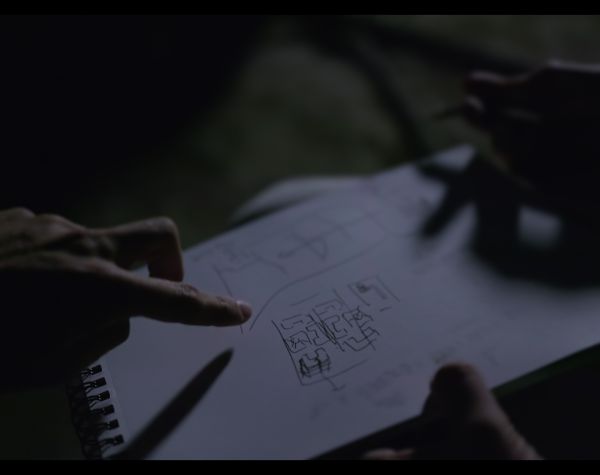
NAZA
The documentary film NAZA by Israeli directing duo Rachel Szor and Yuval Abraham won the Special Jury Prize at this year's Venice Film Festival. This investigative documentary reveals the mechanisms behind the mass elimination of Palestinian civilians. NAZA is an acronym used by Israeli intelligence to denote "collateral damage", meaning the number of civilians expected to be killed in a strike.
"How does one group of people allow the total dehumanization of another group?" ask the filmmakers, who over three years recorded the testimonies of 24 former and current members of the Israeli military forces. In the film, they declassify the hidden, sophisticated systems behind the massive civilian death toll.
director: Rachel Szor, Yuval Abraham
original title: NAZA
country: United Kingdom
year: 2026
running time: 80 min.
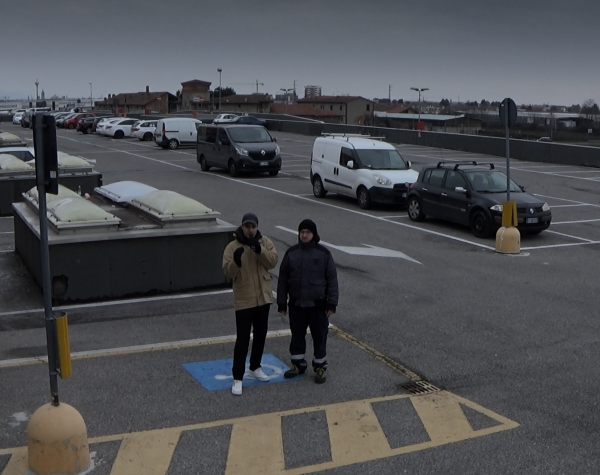
Parking Review
An ambitious videomaker is tasked with making a short social media video to promote the idea that city parking lots are eco-friendly. Assisting him are a cameraman and a clumsy engineer. The pervasiveness of the gray landscape and the absurdity of their task push the trio into a tragicomic spiral of parking lot reviews. The film is part of DELTA | Emerging Italian Filmmakers Across Europe: A Project by Bellaria Film Festival.
director: Davide Curto
original title: Parking Review
country: Italy
year: 2024
running time: 15 min.
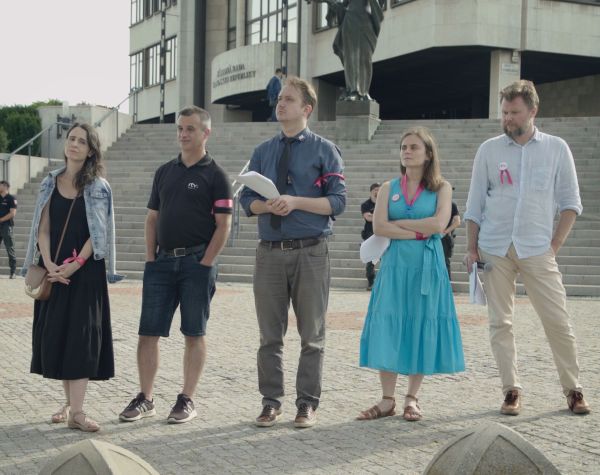
Retuning
Directly from within the newsrooms, director Sára Prokopová observes the attempt – one that begins absurdly but becomes increasingly tragic – to gain political control over Slovakia’s public service television and radio. While heated debates about a strike are taking place behind the scenes, the gradual curtailment of independent journalism and the silencing of opposition voices unfolds on screens. Cultural policy – and the institution itself – are beginning to be run by people lacking the necessary expertise; by those who seriously speculate as to whether the Earth is flat or not. The journalists’ initial enthusiasm is giving way to a sense of powerlessness and frustration at developments that bear a number of cautionary parallels with situations in other Central European countries. “I wanted to highlight the importance of the actions of the individuals who decided to stand up to the establishment, at the risk of either losing their jobs or having their work interfered with.” — Sára Prokopová, SME
director: Sára Prokopová
original title: Preladenie
country: Slovakia
year: 2026
running time: 60 min.
The Last Responders
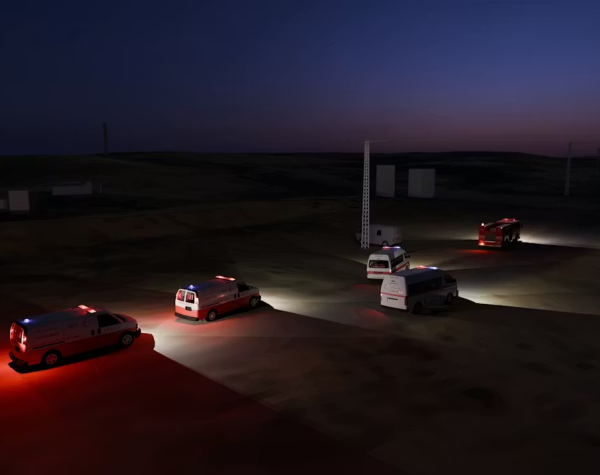
On 23 March 2025 in Tel al-Sultan, Gaza, Israeli forces massacred fifteen Palestinian aid workers travelling in clearly marked humanitarian vehicles, later burying their bodies and vehicles in a shallow mass grave. Earshot and Forensic Architecture worked with the Palestine Red Crescent Society and survivors of the massacre to reconstruct the incident with unprecedented precision. The Last Responders is an investigative documentary about this massacre. Anchored in the situated testimonies of two survivors, the film draws on firsthand video and voice recordings captured during the night of the attack by the Palestine Red Crescent Society. Through these materials, the film probes acts of execution and concealment, while reconstructing a fuller account of what unfolded in Tel al-Sultan in the hours and days that followed.
Image: ©️ Forensic Architecture
director: Earshot , Forensic Architecture
original title: The Last Responders
country: United Kingdom, United States
year: 2026
running time: 50 min.

The Other Side of Everything
A locked door inside a Belgrade apartment has kept one family separated from their past for over 70 years. As the filmmaker begins an intimate conversation with her mother, the political fault line running through their home reveals a house and a country haunted by history. The chronicle of a family in Serbia turns into a searing portrait of an activist in times of great turmoil, questioning the responsibility of each generation to fight for their future.The screening is organised in cooperation with the European Parliament Liaison Office in Prague to mark the 20th anniversary of the LUX Audience Award, for which the film was a finalist in 2018.The screening will be followed by a discussion on Serbia’s political future, student protests and relations with the EU.
director: Mila Turajlić
original title: Druga strana svega
country: Serbia, France, Qatar
year: 2017
running time: 104 min.
Thinking Through Film 1: How Meaning Emerges
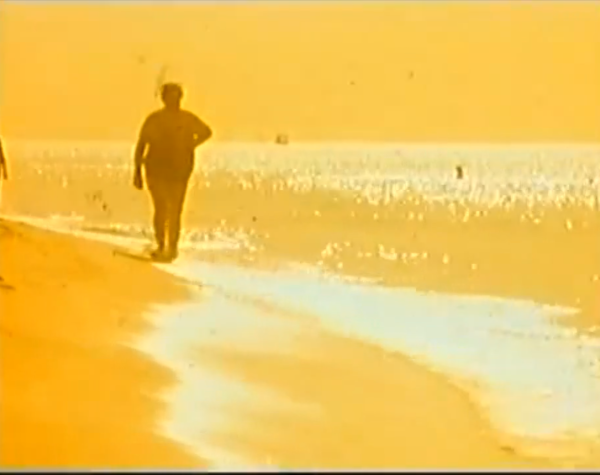
How does a film come into being that truly moves us? Guests of Ji.hlava IDFF speak about curiosity, the senses, and the courage not to know. Filmmaking becomes an adventure in which mistakes, intuition, and chance all have their place. Somewhere between observing reality and transforming it, filmmakers look for those moments when something unexpected reveals itself before the camera.
“I'm looking for questions rather than answers.” — Jørgen Leth in the movie
director: Andrea Slováková
original title: Myslet filmem 1: Jak vzniká význam
running time: 11 min.
Thinking Through Film 2: Why This Film Came to Be
How did this film come into being? A personal retrospective recalls the discovery of free forms of cinema, abstract documentarism and new readings of found footage. Encounters with films and filmmakers at Ji.hlava became a story of a changing personal vision and a celebration of the festival as a place where thinking differently remains necessary.
“Documentary film is one of the deepest ways to relate to the world without assuming that I already know what it is.” — from the film’s commentary
director: Andrea Slováková
original title: Myslet filmem 2: Proč vznikl tento film
running time: 6 min.
Thinking Through Film 3: Films in Our Heads
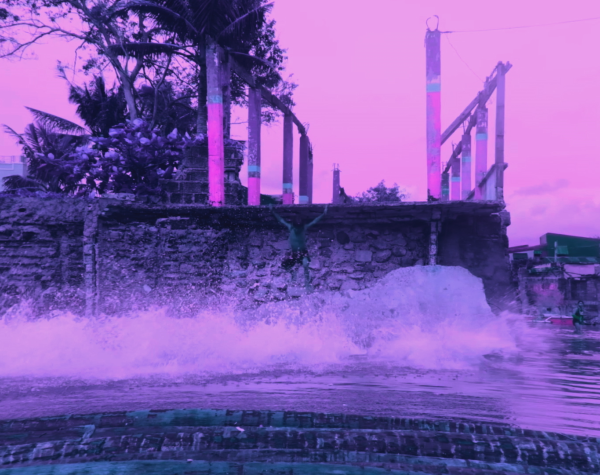
Where does a film come into being? On the screen, or in the viewer’s mind? Guests of Ji.hlava IDFF reflect on images that awaken memories, stir uncertainty, and bring new connections into view. Each viewer completes their meaning through their own experience. Documentary film creates a space that can leave us with a different perspective on the world and on ourselves.
“The question of documentary film is not whether it offers a faithful representation of reality. The question is what movements of thought it makes possible.” — from the film’s commentary
director: Andrea Slováková
original title: Myslet filmem 3: Filmy v hlavách
running time: 10 min.
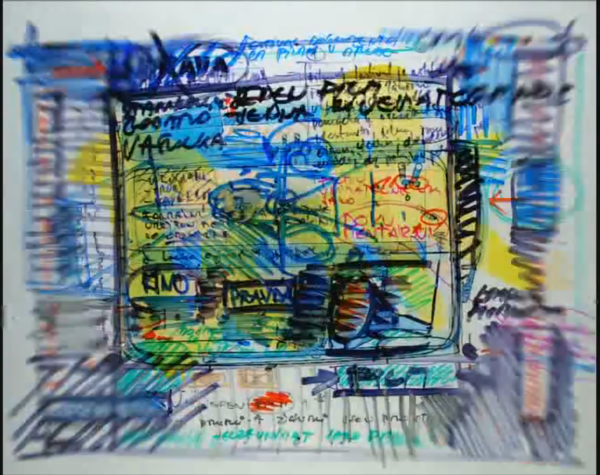
Thinking Through Film 4: The Matter of Reality
How can we think using the language of film? Filmmakers at Ji.hlava IDFF reflect on rhythm, editing, sound and image, as well as on the creative conventions of documentary and fiction. The choice of expressive means guides our attention, reveals meanings that cannot be put into words in advance, and opens up space for new ways of perceiving and knowing.
“That is why every film can create its own way of knowing. Its language stems not only from what it says. It is also a movement that sets the mind of the viewer in motion.” — from the film’s commentary
director: Andrea Slováková
original title: Myslet filmem 4: Materie reality
running time: 12 min.
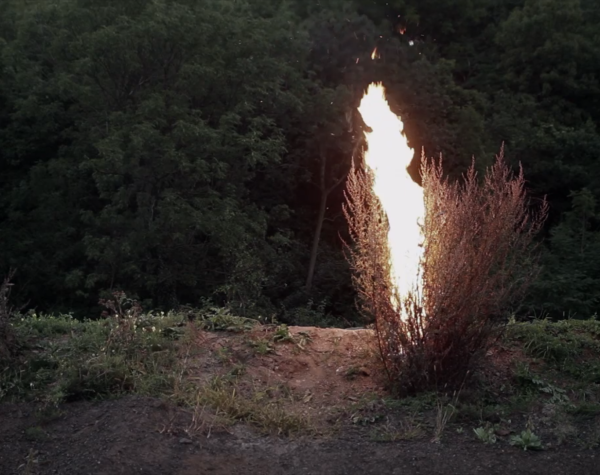
Thinking Through Film 5: Authorial Choices
Can a camera capture the world without changing it? Filmmakers at Ji.hlava IDFF explore the boundaries between documentary and fiction, authorial intervention and truthfulness. Through choices of perspective, situations, and context, film reveals not only what we see, but also how we create knowledge about the world and how we think about it.
“Documentary film does not construct the world itself. It constructs the form in which the world can be known.” — from the film’s commentary
director: Andrea Slováková
original title: Myslet filmem 5: Autorské volby
running time: 10 min.
You Can See Everything
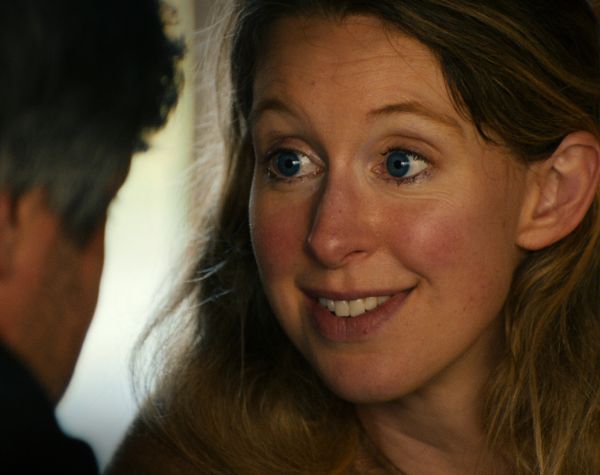
They called her the female Steve Jobs. Elizabeth Holmes, founder of the biotech startup Theranos, rose to the very top of Silicon Valley—until her lies came to light. Still convinced of her innocence, she approached Nathan Fielder, provocateur and creator of satirical shows. She invited him into her home to document her final 34 days before reporting to prison. No questions were off-limits, and no part of her life was beyond the camera’s reach. What began as a unique insight into the mind of the greatest fraudster of all time grew into a fascinating, genre-defying film that blends fact with fiction, thriller with comedy. When we get truly close, do we really see everything?
director: Lance Oppenheim, Nathan Fielder
original title: You Can See Everything
country: United States
year: 2026
running time: 174 min.